Nature's Living Palette: Plants That Change Color With Seasons and Sunlight
Nature possesses its own extraordinary palette, with certain botanical species displaying it in particularly dramatic fashion. Some plants undergo remarkable transformations in leaf or flower coloration in direct response to seasonal shifts, temperature fluctuations, or varying levels of sunlight exposure. These captivating changes occur primarily due to alterations in plant pigments such as chlorophyll and anthocyanins. Such dynamic flora brings year-round visual interest and evolving beauty to gardens, balconies, and indoor living spaces, creating living art that changes with the environment.
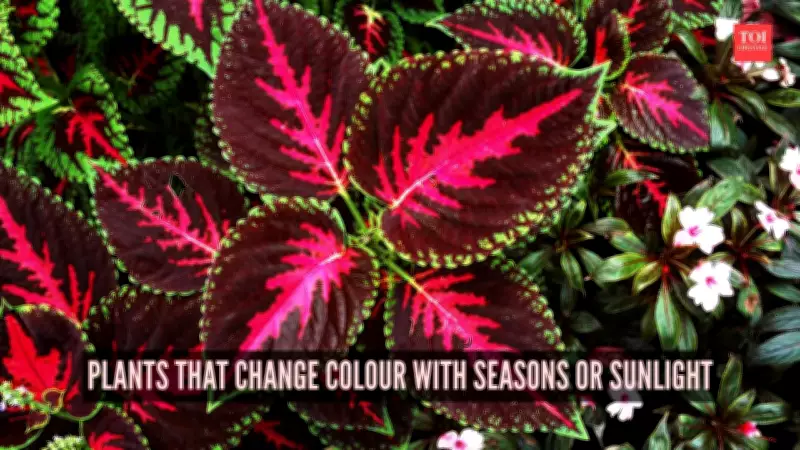
1. Coleus: The Sun-Responsive Foliage Marvel
Coleus plants are celebrated for their exceptionally vibrant, multicolored leaves that respond powerfully to sunlight intensity. In conditions of bright, direct light, their colors—including striking shades of red, pink, purple, and yellow—become significantly more intense and vivid. Conversely, when grown in shadier environments, the foliage tends to develop greener, more subdued tones. Seasonal temperature variations can further influence this pigmentation process, making coleus a truly dynamic and endlessly colorful foliage plant for both indoor and outdoor settings.
2. Smoke Bush (Cotinus coggygria): A Seasonal Firework Display
The Smoke Bush presents one of the most striking seasonal color transformations in the plant kingdom. Its foliage begins as fresh green or deep purple in the spring months, gradually deepening in hue throughout the summer season. As autumn approaches, the leaves undergo a spectacular metamorphosis, turning into fiery shades of red, brilliant orange, or warm yellow. Increased sunlight exposure during the growing season significantly enhances the richness and depth of these leaf colors, establishing the Smoke Bush as a standout landscape shrub that provides visual interest throughout the entire year.

3. Croton: The Dramatic Sunlight Responder
Croton plants exhibit particularly dramatic responses to changes in sunlight exposure. When placed in bright, ample light conditions, their distinctive leaves develop intense, bold shades of yellow, red, orange, and deep purple. In contrast, lower light conditions typically cause these vibrant colors to dull and transition toward greener tones. Seasonal light changes, particularly the shifting angle and intensity of sunlight throughout the year, also profoundly influence croton pigmentation, making these plants a bold, expressive, and visually dynamic choice for indoor horticulture.
4. Prayer Plant (Maranta): Subtle Light-Responsive Beauty
The Prayer Plant demonstrates a more subtle, yet equally fascinating, change in leaf coloration based on lighting conditions. The presence of bright, indirect sunlight enhances and intensifies the red and purple spots and veins that decorate its leaves. When deprived of adequate light, the leaves tend to appear predominantly green, losing some of their patterned complexity. Additionally, the Prayer Plant exhibits nyctinasty—its leaves famously close upward at night, resembling hands in prayer, adding another layer of botanical intrigue to this responsive species.
5. Jade Plant (Crassula ovata): Sun-Stress Coloration
Jade plants develop distinctive reddish or pinkish edges on their characteristically thick, succulent green leaves when exposed to strong, direct sunlight or cooler seasonal temperatures. In lower light environments, the leaves typically remain a solid, uniform green. This phenomenon, known as sun-stress coloring, is completely harmless to the plant and serves as a highly decorative feature. This adaptive trait, combined with their easy-care nature, makes jade plants exceptionally popular choices for both indoor container gardens and sunny balcony arrangements.

6. Caladium: The Heart-Shaped Color Changer
Caladiums are renowned for their large, heart-shaped leaves that display stunning shades of white, pink, red, and green. Both light exposure and seasonal growth cycles significantly influence the intensity and distribution of these colors. During the warm, active growing months, caladium colors appear most vibrant and pronounced. As cooler seasons approach, the plants typically enter a period of dormancy, during which foliage may fade before dying back. Their dramatic, painterly foliage makes caladiums exceptionally eye-catching ornamental plants for shaded garden beds and decorative containers.
The Science and Beauty of Color-Changing Flora
Plants that change color with seasons or sunlight serve as living examples of nature's remarkable adaptability and responsiveness. The alteration in coloration is fundamentally driven by environmental responses—primarily shifts in pigment production and concentration—that simultaneously increase the plant's aesthetic beauty and its physiological resilience. These botanical wonders can be successfully incorporated into both indoor and outdoor settings, making them ideal choices for gardeners and plant enthusiasts seeking dynamic, ever-changing elements for their living spaces.