

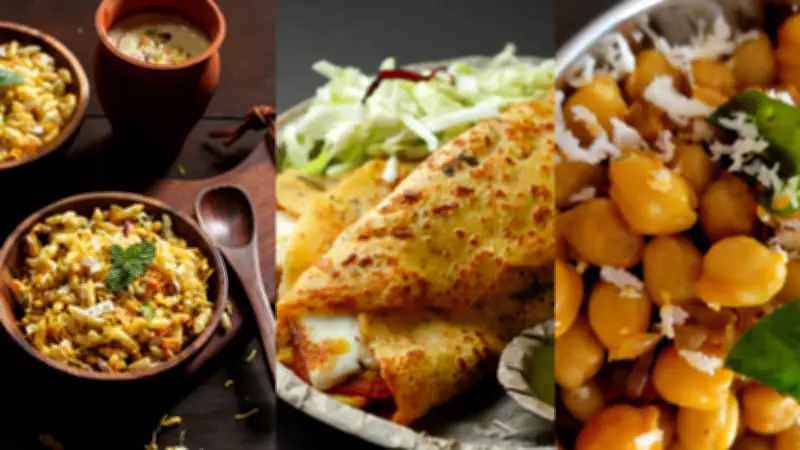
6 Traditional Indian Snacks That Outshine Packaged Foods Every Time
There is a unique and profound comfort found in traditional Indian snacking that no glossy, mass-produced packet can ever truly replicate. This comfort resides in the satisfying crackle of perfectly roasted chana, the soft, spongy texture of freshly steamed dhokla, the aromatic scent of cumin seeds sizzling in warm oil, and the quiet, deep satisfaction of consuming something simple, honest, and never overly contrived. While packaged foods aggressively market convenience and speed, traditional Indian snacks have always provided something far more valuable: genuine nourishment, complex and authentic flavors, and a lasting sense of satiety that prevents the constant hunger pangs often experienced just minutes after eating processed alternatives. These snacks are humble, deeply familiar, and in countless Indian households, they remain the immediate and trusted answer to sudden hunger. Let us explore six such timeless culinary treasures.
Roasted Chana: The Protein-Packed Powerhouse
If one snack truly deserves greater recognition and respect, it is undoubtedly roasted chana. Available plain, salted, spicy, or lightly coated in masala, this simple legume demonstrates that brilliance often lies in simplicity. It is exceptionally rich in plant-based protein and dietary fiber, incredibly portable, and undergoes minimal processing compared to the average bag of chips or commercial namkeen.
The enduring appeal of roasted chana stems from its perfect balance. It offers a satisfying crunch, substantial enough to genuinely curb hunger, and remarkable versatility that fits seamlessly into any daily routine. A modest handful in the afternoon provides more sustained energy and nutritional benefit than an entire bag of airy, excessively salted, and nutritionally empty packaged snacks ever could.

Poha Chivda: The Festive Everyday Treat
Poha chivda beautifully occupies the delightful middle ground between a special festive snack and a regular everyday nibble. Crafted from flattened rice (poha), peanuts, fragrant curry leaves, an array of spices, and often a hint of jaggery or dried coconut, it delivers layered, nuanced flavors that packaged snacks typically attempt to mimic with artificial additives and enhancers.
Its greatest advantage is that it feels comforting and familiar without being heavy or greasy. Light, delightfully crisp, and easy to portion responsibly, it represents a far superior choice to mindlessly munching from a large, open bag of processed food. A homemade batch allows for complete customization, enabling control over oil, salt content, and the inclusion of preferred ingredients tailored to your family's tastes.
Makhana: The Delicate Modern Classic
Fox nuts, commonly known as makhana, have experienced a significant resurgence globally, though they never truly left many traditional Indian kitchens. When roasted in pure ghee or dry-tossed with spices, they possess a delicate, airy texture and subtle flavor that mass-produced snacks rarely achieve. They are light, yes, but not nutritionally empty. Makhana provides a pleasant, gentle bite and a genuine sense of fullness without the lingering greasy aftertaste commonly associated with heavily processed foods.
Remarkably, makhana feels like a snack designed for contemporary lifestyles long before modern life existed. It is quick to prepare, clean to eat, highly adaptable to various flavor profiles, and can be ready in mere minutes. In a world saturated with artificial flavorings, its true charm lies in its natural subtlety and restraint.
Dhokla: The Steamed Sensation
Dhokla has long stood as one of Indian cuisine's quiet yet triumphant achievements. This steamed, fermented cake, lightly spiced and typically garnished with a tempering of mustard seeds, green chillies, and fresh coriander, delivers robust flavor without overwhelming the palate. Unlike numerous packaged snacks, it does not depend on unhealthy trans fats or an extensive list of unrecognizable ingredients to make itself appealing.

Furthermore, dhokla provides a deep, comforting satisfaction that is difficult to industrially manufacture. It is soft yet never bland, tangy but not aggressively sour, carrying a freshness that transforms a simple snack into something resembling a light, wholesome meal. It belongs to a venerable culinary tradition that understands how to be genuinely filling without being loud or excessive.
Khakhra: The Practical Travel Companion
Khakhra possesses a level of sheer practicality that has ensured its relevance across generations. These thin, roasted discs, often brushed with ghee and spices, represent that rare snack that travels exceptionally well, stores for extended periods, and still retains its delightful taste and texture. In many homes, khakhra has successfully replaced commercial biscuits and packaged crackers with a sturdier, more honest, and wholesome alternative.
The distinct advantage of khakhra lies in transparency and control. You know precisely what ingredients are used, and you understand the simple process of its creation. Unlike many factory-produced snacks that dissolve in the mouth leaving only a residue of salt, oil, and regret, khakhra offers a substantive, satisfying eating experience.
Sundal: The Nutrient-Rich Star
Sundal may not always receive the national spotlight outside of South India, but it unquestionably should. Prepared with boiled legumes such as chickpeas, black chana, or moong dal, and then tempered with mustard seeds, curry leaves, fresh coconut, and chillies, it stands as one of the most nutritionally complete snacks in the entire Indian culinary repertoire.
It delivers a powerful combination of plant-based protein, varied texture, comforting warmth, and flavorful depth. Sundal is filling without being heavy and nourishing without tasting medicinal. In many ways, sundal encapsulates what so many packaged foods fundamentally miss: the ability to properly, wholesomely, and deliciously feed both body and soul.
In conclusion, these six traditional Indian snacks—roasted chana, poha chivda, makhana, dhokla, khakhra, and sundal—collectively represent a healthier, more flavorful, and ultimately more satisfying path than relying on processed packaged foods. They connect us to culinary heritage while offering superior nutrition and genuine satiety, proving that sometimes, the best answers are also the most timeless.
