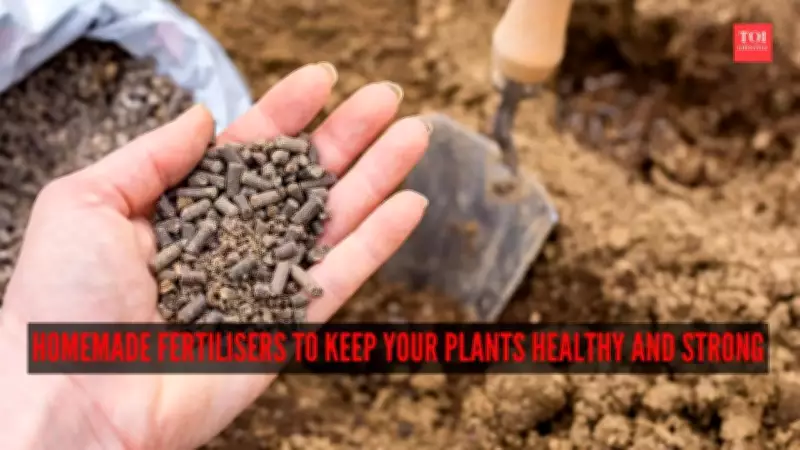
7 Easy Homemade Fertilizers for Healthy Plants: Natural Kitchen Solutions
Maintaining vibrant and robust plants doesn't necessitate costly commercial fertilizers. In fact, you can craft effective natural fertilizers using everyday kitchen items. These homemade solutions not only supply essential nutrients to your plants but also help minimize kitchen waste and enhance soil quality in your garden or indoor pots.
The principle behind natural fertilizers is straightforward. Organic materials decompose over time, releasing vital nutrients such as nitrogen, phosphorus, potassium, and various micronutrients into the soil. These elements are crucial for promoting plant growth, encouraging flowering, and supporting fruiting. By utilizing common kitchen ingredients, you can create your own nutrient-rich fertilizers that benefit all types of plants, from houseplants to garden vegetables.
1. Banana Peel Fertilizer
Banana peels are abundant in potassium and phosphorus, two key nutrients that foster healthy root development and enhance flowering or fruiting. To prepare this fertilizer, you can either chop the peels finely or soak them in water for several days. Use the resulting banana-infused water to irrigate your plants. As the peels decompose in the soil, they gradually release their nutrients, providing a sustained boost to plant health.

2. Used Coffee Grounds
Coffee grounds serve as an excellent source of nitrogen, which is essential for developing lush, green foliage. You can sprinkle used coffee grounds around the base of your plants or incorporate them into your compost pile. Nitrogen not only promotes vigorous leaf growth but also improves soil structure by enhancing aeration and increasing water retention capacity.
3. Eggshell Fertilizer
Eggshells are rich in calcium, a mineral that strengthens plant cell walls and can help prevent common issues like blossom end rot in tomatoes and peppers. To use eggshells, dry them thoroughly, crush them into a fine powder, and sprinkle the powder around the soil surface. As the shells break down slowly, they release calcium, benefiting root development and overall plant vitality.
4. Compost Tea
Compost tea is a liquid fertilizer made by steeping compost in water for one to two days. After steeping, dilute the liquid and use it to water your plants. This tea is packed with a diverse array of nutrients, beneficial microbes, and organic matter that boost soil fertility and encourage robust root growth.
5. Epsom Salt Solution
Epsom salt, or magnesium sulfate, supplies magnesium and sulfur, two nutrients that support overall plant growth. Magnesium plays a critical role in chlorophyll production and aids plants in absorbing other nutrients more efficiently. An Epsom salt solution is particularly useful for plants displaying signs of magnesium deficiency, such as yellowing leaves. Mix one tablespoon of Epsom salt with a gallon of water and apply it occasionally, rather than regularly, to promote healthier and greener growth.
6. Rice Water
Rice water, the starchy water left after rinsing uncooked rice, acts as a gentle organic fertilizer. It contains trace minerals and starch that provide a mild nutrient boost to plants. Allow the rice water to cool completely before using it to water indoor or outdoor plants every 10 to 15 days for sustained healthy growth.
7. Vegetable Scraps or Peels
Planting peels and scraps from vegetables like carrots, potatoes, and leafy greens directly in the soil or adding them to a compost pile can create a continuous source of nutrients. To speed up decomposition, cut the scraps into small pieces before incorporating them into the soil. As they break down, they enrich the earth with essential nutrients.
Homemade fertilizers offer an excellent way to provide your plants with the nutrients they need without resorting to chemical products. They not only repurpose kitchen waste but also contribute to healthier soil and more resilient plants naturally. These simple, low-tech recipes are perfect for tending to potted plants indoors or maintaining a backyard garden, ensuring you achieve healthier, more robust greenery with minimal cost and effort.