For decades, the refrigerator has reigned as the undisputed king of modern food storage. Its chilly embrace is almost universally accepted as the sole guardian of freshness and safety. The assumption that low temperature preserves quality has been baked into our domestic habits and appliance design. However, emerging scientific evidence challenges this blanket rule, revealing that for many common foods, the cold does more harm than good.
The Cold, Hard Science Behind Food Spoilage
Foods are incredibly diverse in their structure, water content, and metabolic activity. When exposed to refrigeration, some undergo cellular and molecular changes that are not easily reversed. Research in plant science, food chemistry, and post-harvest studies has documented significant impacts on texture, flavour, and physical integrity. Yet, these critical distinctions are seldom reflected in our everyday kitchen habits.
Here are seven everyday foods that consistently react poorly to cold storage, based on experimental trials and compositional analysis.

1. Tomatoes: The Flavour Thief
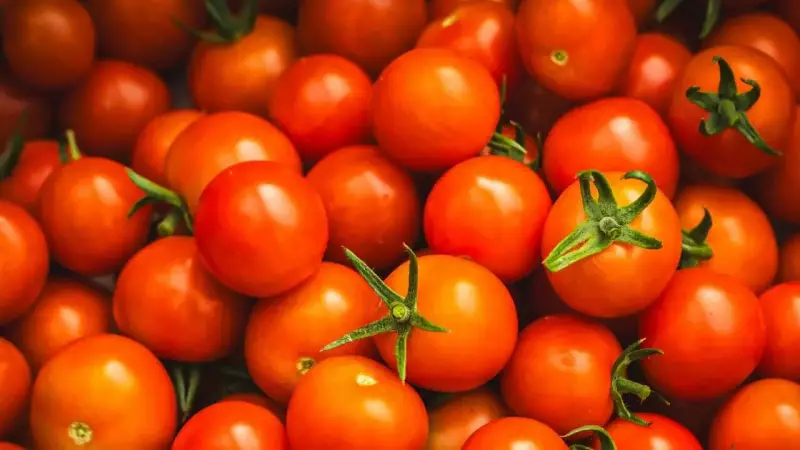
Tomatoes continue to breathe and metabolise after being picked. Refrigeration cripples the enzymes responsible for producing the volatile compounds that give tomatoes their signature fresh flavour. A study in the Journal of Food Science and Technology found levels of flavour-giving aldehydes and alcohols drop significantly after cold storage. Crucially, this damage is permanent; even returning tomatoes to room temperature does not restore their lost flavour, indicating a lasting physiological disruption.
2. Potatoes: The Sweet Sabotage
Potatoes are starch storage organs. In the fridge, enzymes convert this starch into simpler sugars like glucose and fructose. This not only alters taste but also affects cooking behaviour, often leading to undesired browning. A study in Frontiers in Plant Science confirmed that low temperature is a primary driver of this metabolic shift, making refrigeration an active spoiler, not a neutral preserver.
3. Onions: Victim of Humidity
Onions rely on a dry outer skin for protection. The refrigerator's combination of cold and high humidity breaks this balance, accelerating cellular breakdown and increasing respiration rates. This leads to softening, spoilage, and surface condensation that promotes microbial growth, making them spoil faster than in a cool, dry pantry.
4. Basil: A Chilling Injury
Basil leaves are highly sensitive to cold. Refrigeration causes visible darkening, wilting, and loss of firmness. Microscopic analysis reveals damage to chloroplast membranes and a drop in essential oil content, robbing the herb of its aroma. This is a classic case of "chilling injury," documented in research on culinary herbs.
5. Bananas: Disrupted Ripening
As climacteric fruit, bananas ripen via a coordinated release of ethylene. Cold storage stifles this process unevenly. Studies, including one in Food Chemistry: X, show the peel darkens due to oxidation while the flesh remains under-ripe, creating a textural and taste imbalance. The fridge disrupts the natural biochemical symphony.
6. Bread: Accelerated Staling
Bread staling is caused by starch recrystallisation. Contrary to popular belief, refrigeration speeds up this process dramatically. Research in the Journal of Cereal Science confirms that cold temperatures accelerate crumb firming and moisture loss. Reheating cannot fully reverse these physical changes, leaving you with stale bread faster.
7. Honey: The Crystallisation Catalyst
Honey is a super-saturated sugar solution. Cold storage reduces molecular mobility, rapidly encouraging the formation of solid glucose crystals. Studies in Food Chemistry show refrigeration leads to faster crystallisation and larger crystals, altering texture and flow, though it remains safe to eat.

Rethinking Your Kitchen Storage
The collective evidence from these studies urges a more nuanced approach to food storage. The refrigerator is a marvel for dairy, meats, and many leftovers, but it is not a one-size-fits-all solution. For staples like tomatoes, potatoes, onions, and bread, a cool, dry, and dark pantry spot is often superior. Herbs like basil fare better treated as fresh flowers, stems in water. Bananas ripen best on the counter, and honey remains perfectly preserved in your cupboard.
By understanding the science behind how cold affects different foods, Indian households can make smarter choices, reducing waste and, most importantly, preserving the true flavour and quality of everyday ingredients. It's time to question the cold assumption and store smarter.