

7 Iconic Foods and Their Packaging Evolution Through the Decades
Food is more than just sustenance; it is memory woven into flavor. It resonates in the familiar hiss of a pressure cooker, the nostalgic crinkle of a wrapper, or that first bite that instantly transports us back to summer holidays or school tiffins. Yet, the foods we once cherished have not remained static. Over the decades, recipes have been reformulated, portion sizes adjusted, sugar levels recalibrated, and packaging redesigned to align with a faster-paced, more health-conscious world. Global supply chains have subtly altered ingredients, while nostalgia now competes with nutrition labels. What feels timeless is often quietly updated. Here is an in-depth look at how some of India's most beloved foods have evolved over the years.
Maggi Noodles: From Simple Snack to Comfort Food Icon
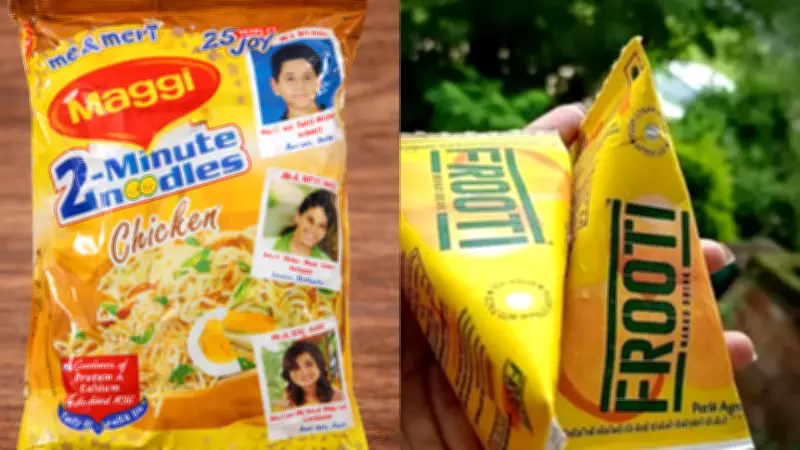
Few foods evoke as much emotional resonance in India as Maggi noodles. Launched in the 1980s by Nestlé, it quickly became synonymous with a "2-minute hunger solution." In its early days, the packaging was straightforward: a bright yellow pack with a bold red logo and the iconic "2-Minute Noodles" promise. The masala flavor was notably stronger, saltier, and many long-time fans recall a more intense aroma. The noodle cake itself appeared slightly thinner and softer after cooking.
Post-2015, following a nationwide ban and subsequent reformulation, the recipe underwent significant tweaks. Today, Maggi offers multiple variants, including atta noodles, oats, peri-peri, cheese, and regional masalas. The texture now feels firmer, and sodium levels have been adjusted over time to meet health standards. The branding has evolved from a simple "kids' snack" to a polished, diversified image, positioning it as "comfort food for all ages." Despite these changes, the nostalgia remains intact, with Maggi still tasting like late-night conversations and rainy afternoons.

Cadbury Dairy Milk: A Chocolate Staple Transformed
Owned by Cadbury, now under Mondelez, Dairy Milk has been a chocolate staple for decades. In the 1990s, it boasted a thick, creamy mouthfeel with slightly less sweetness. The purple wrapper was iconic yet minimal, featuring simpler graphics and less visual clutter compared to today's designs. Advertising during that era emphasized themes of celebration and carefree joy, epitomized by a famous cricket-field commercial that captured spontaneous dancing and youthful exuberance, turning the chocolate into a symbol of unfiltered happiness.
Today, Dairy Milk tastes sweeter to many consumers, likely due to recipe standardization and cost adjustments. The texture is smoother, but thinner bars and portion resizing have become common. Packaging has become glossier, with gold accents and premium extensions like Silk and Dark. Over time, Dairy Milk has shifted from a "children's treat" to an everyday indulgence and a popular gifting staple.
Coca-Cola: A Century of Reformulation and Rebranding
Coca-Cola has been continuously reformulating and rebranding for over a century. In the past, glass bottles dominated the market. The drink tasted sharper and more carbonated, partly due to packaging differences and local bottling practices. Sugar levels were high, and there was little concern over calorie counts.
Now, plastic bottles, cans, mini-serve options, and Zero Sugar variants dominate shelves. Recipes vary from country to country, often adjusted to meet local regulations and health trends. Marketing strategies have evolved to focus on lifestyle and personalization rather than mere refreshment. While the taste may be subtly different, the overall experience has been completely modernized.
Parle-G Biscuits: A Symbol of Resilience Across Generations
Manufactured by Parle Products, Parle-G has been a household name since 1939. Long-time fans recall the biscuits being slightly thicker and less sweet. The yellow wrapper featuring the Parle girl remained largely unchanged for decades, symbolizing affordability and dependability as a survival snack.
Over time, the biscuit size has marginally reduced, a common industry practice known as shrinkflation, and the sweetness feels more pronounced. The brand has expanded into premium variants, but the core pack remains iconic. Today, Parle-G is not just a biscuit; it is a symbol of resilience that has endured across generations.

Frooti: A Dramatic Visual and Flavor Evolution
Produced by Parle Agro, Frooti has undergone one of the most dramatic visual transformations. Initially, it came in small rectangular tetra packs with straw holes, featuring a busy, bright design unmistakably reminiscent of the 1990s. The mango flavor was thicker and sweeter to many consumers.
Around 2015, Frooti rebranded into sleek, minimalist yellow and green bottles with bold, edgy typography. The drink itself now feels lighter and less syrupy. This shift has repositioned Frooti from a "kids' lunchbox drink" to a cooler, youth-oriented brand, appealing to modern tastes while retaining its nostalgic appeal.
KitKat: From Foil Wraps to Globalized Production
Produced in India by Nestlé, KitKat has seen significant changes over the years. In the past, bars were wrapped in foil and paper, with a thicker chocolate coating and more defined wafer layers that snapped dramatically.
Today, plastic flow-wrap packaging has replaced foil, and the chocolate coating is thinner, with slightly slimmer bars. The brand has also introduced dessert-inspired versions, chunky editions, and limited flavors. While it still promotes the "Have a break" mantra, the production feel has become more globalized, reflecting broader trends in the food industry.
These iconic foods illustrate how brands adapt to changing consumer preferences, health trends, and global supply chains. While their packaging and recipes may evolve, the nostalgia they evoke remains a powerful connection to our past, blending memory with modernity in every bite.
