Why Some Homemade Pickles Fail Miserably
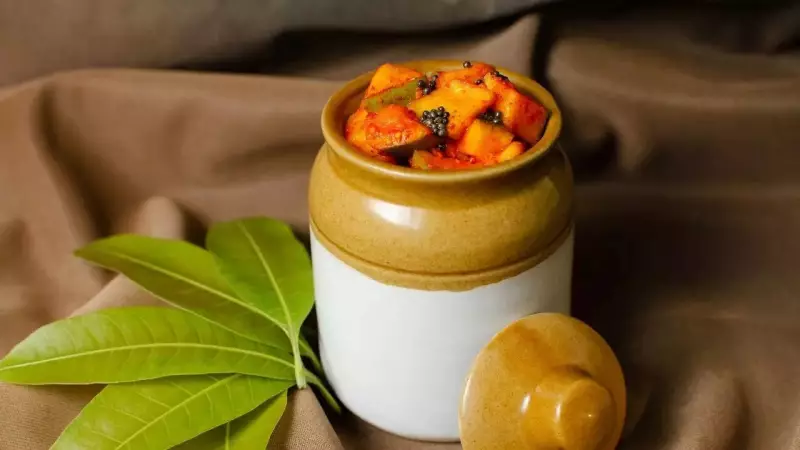
Creating pickles at home brings immense satisfaction. You follow traditional recipes or try exciting new flavors. But one misstep with ingredients can ruin your entire batch. The process demands a precise balance of salt, oil, acidity, and spices. This balance preserves vegetables and boosts their taste. Get the mix wrong, and you face spoilage, foul smells, mold growth, or poor texture.
Many home cooks accidentally add items that react badly during fermentation or storage. Understanding what to skip is as crucial as knowing what to include. This guide highlights ingredients that cause early spoilage. It ensures your dedication does not go to waste.
Seven Ingredients You Must Avoid for Perfect Pickles
Certain ingredients harm taste, texture, shelf life, or safety. Here is a detailed list of what to exclude from your pickle jars.

1. Iodised Salt – A Common Culprit
Iodised salt is unsuitable for pickling. The iodine and anti-caking agents inside disrupt natural fermentation. They make the pickle liquid cloudy and alter vegetable texture. Over time, iodised salt changes the flavor and reduces how long pickles remain edible. Traditional pickling relies on non-iodised salt for consistent, reliable results.
2. Fresh Garlic or Ginger Paste
Fresh pastes introduce extra moisture into the mix. Raw garlic or ginger paste adds water that encourages mold and faster spoilage. Lightly drying these ingredients or using them whole maintains balance. It ensures stability for extended storage periods.
3. Overripe or Damaged Vegetables
Freshness is vital for pickle safety. Overripe and damaged vegetables break down too easily. They release excessive liquid into the pickle, hampering the preservation process. This shortens the shelf life significantly. Always use firm, fresh produce. It retains shape better and soaks up flavors evenly during pickling.
4. Corn Syrup or Honey
These sweeteners add natural sugars that promote unwanted microbial activity. Honey is particularly absorbent. It pulls moisture from the air, creating an environment where molds thrive over time. Corn syrup fails to provide the preservative qualities pickles need. It may also ferment too quickly. If you desire sweetness, use minimal amounts and balance them carefully.
5. Coconut Oil or Ghee
Coconut oil and ghee do not work well for pickles. In cooler temperatures, coconut oil solidifies. This affects pickle texture and layering, potentially leading to spoilage. Ghee increases milk solid concentration. These solids can turn rancid easily, shortening the pickle's lifespan. Opt for oils with stable preservation capabilities to make your pickles last.
6. Excessive Sugar
Too much sugar upsets the preservation balance. A small amount enhances flavors, but excess sugar feeds harmful microbes. This can cause bubbling, odd odors, or spoilage over time. When making pickles, focus on salt, oil, and acidity rather than sweetness.
7. Low-Quality Vinegar or Acids
Using weak or impure vinegar undermines the pickling process. Proper acidity is essential for safety and flavor. Always choose high-quality vinegar or natural acids to ensure your pickles remain crisp and safe to eat.
By avoiding these seven ingredients, you safeguard your homemade pickles. Your efforts will yield delicious, long-lasting results that everyone can enjoy.