

7 Best Vegetables to Plant in February for a Bountiful Spring Harvest
February represents a pivotal transition period in the gardening calendar, as the lingering chill of winter gradually gives way to the gentle warmth of early spring. This unique climatic window creates optimal conditions for sowing a variety of hardy, cool-season vegetables. By initiating planting now, gardeners can capitalize on the mild temperatures that encourage robust root development and vigorous growth, setting the stage for an abundant harvest well before the intense heat of summer arrives.
Strategic February sowing is not merely a gardening task; it is a calculated move to extend the growing season and secure a steady supply of fresh, nutritious produce from your own backyard. The vegetables highlighted here are specifically chosen for their tolerance to cooler soil and air temperatures, requiring minimal maintenance while delivering maximum yield.
Kale: The Cold-Resistant Supergreen
Kale stands out as one of the most resilient leafy greens, thriving exceptionally well in cool weather. Interestingly, exposure to light frost can enhance its flavor profile, rendering the leaves noticeably sweeter and more tender. This nutrient-dense vegetable prefers well-drained soil and ample sunlight. Once established, kale plants continue to produce an ongoing harvest of nutritious leaves over an extended period, making them a remarkably dependable choice for February gardens.

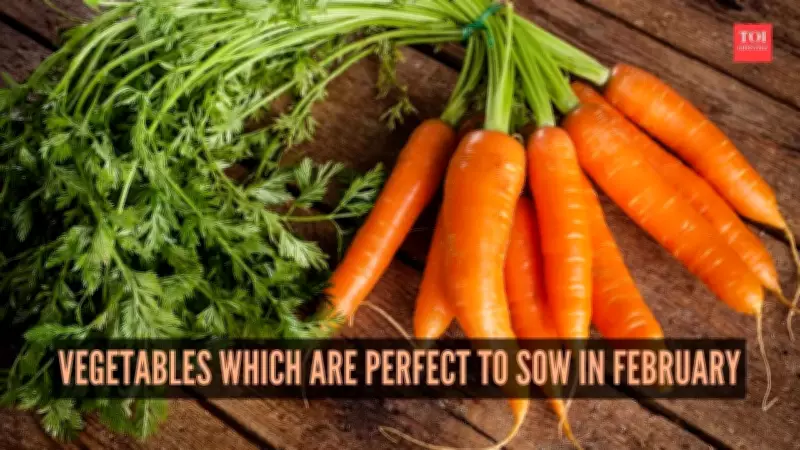
Carrots: Sweet Roots from Cool Soil
Carrots develop their best flavor and texture when sown during the cooler months. Planting them in February allows the roots to mature slowly in moist, loose soil, which significantly improves their natural sweetness and crispness. An additional advantage of early sowing is the avoidance of common pests that become more active in warmer conditions. With consistent watering and proper soil preparation, carrots promise a flavorful and healthy harvest by early spring.
Radishes: The Quick-Growing Beginner's Favorite
Radishes are celebrated for their rapid growth cycle, often reaching harvest readiness within just a few weeks. This speedy development makes them an ideal selection for novice gardeners or anyone seeking quick, satisfying results. The cool temperatures of February help maintain their characteristic crisp texture and mild, peppery flavor. Their adaptability allows them to flourish in small garden beds or even containers, perfect for gardeners with limited space.
Turnips: A Dual-Purpose Hardy Crop
Turnips offer exceptional versatility, as both their robust roots and leafy greens are entirely edible. They handle chilly conditions with ease and establish steady growth in early-season soil. Sowing turnips in February ensures the development of tender, flavorful roots before the arrival of summer heat. Their culinary flexibility, suitable for everything from hearty soups to sautéed greens, adds considerable practical value to this reliable and hardy vegetable.
Peas: Cool-Weather Climbers with Sweet Rewards
Peas inherently prefer cooler growing conditions, making them perfectly suited for early-season planting. A February start encourages the development of healthy, vigorous vines before temperatures begin to rise. Many pea varieties benefit from simple support structures like trellises or stakes, which keep the pods clean, organized, and easy to harvest. Fresh peas picked in spring offer a level of sweetness and nutritional richness that is difficult to find in store-bought alternatives.
Spinach: Nutrient-Rich Leaves for Early Salads
Spinach is another exceptionally hardy leafy green perfectly suited for February planting. It grows reliably under protective covers like cloches or in greenhouses, producing a continuous supply of tender leaves ideal for both fresh salads and cooked dishes. Cool growing conditions help reduce any potential bitterness and promote steady, lush leaf production. Given its high nutritional value and relatively quick growth, spinach is a supremely practical and rewarding early-season crop for any home garden.

Broad Beans: Protein-Packed and Early Starters
Broad beans rank among the hardiest of all bean varieties and are typically sown early to gain a strong establishment before pests, such as blackfly, become prevalent later in spring. They thrive in cool soil and can be started indoors or outdoors with minimal protection. Broad beans sown in February develop into more robust plants and yield a quicker crop of protein-rich beans, making them an excellent and strategic choice for the month's planting schedule.
In summary, sowing vegetables in February is a smart and proactive gardening strategy. It effectively extends the productive season and ensures an early abundance of healthy, home-grown produce. Vegetables like kale, carrots, radishes, turnips, peas, spinach, and broad beans not only tolerate cooler temperatures but often thrive in them, requiring relatively low maintenance while promising high returns for your gardening efforts.
