

8 Edible Flowers to Grow for a Naturally Colourful Culinary Style
Edible flowers have long been cherished in traditional cuisines across the globe, offering not only a visual feast but also a diverse array of flavours and health advantages. From brightening up salads to infusing teas and desserts, these blooms can elevate everyday dishes into extraordinary culinary experiences. Cultivating your own edible flowers ensures a fresh, chemical-free supply for your kitchen adventures, though it is crucial to verify they are organically grown and accurately identified. Here are eight varieties of edible flowers that are perfect for home gardens.
Nasturtium
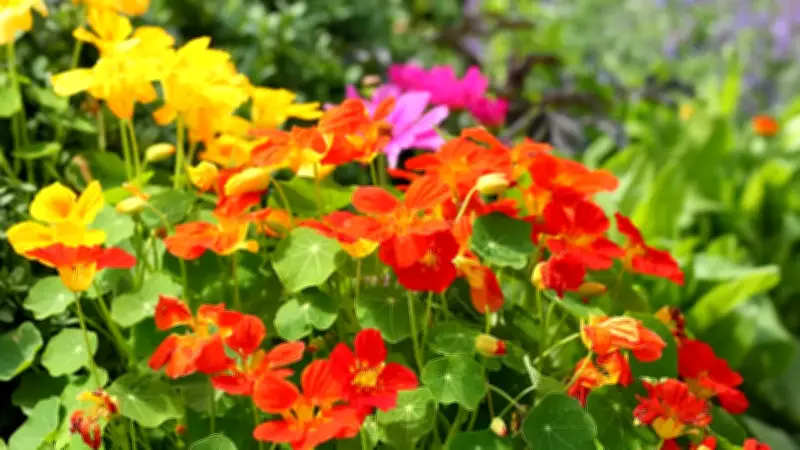
Nasturtium flowers are among the simplest edible blooms to cultivate, celebrated for their vivid orange, red, and yellow hues. They impart a peppery, slightly spicy flavour reminiscent of arugula, with both the flowers and leaves being edible. Rich in beneficial plant compounds, nasturtiums also offer notable health benefits.
Calendula (Pot Marigold)
Often referred to as "poor man's saffron," calendula petals feature a mild, tangy taste and a golden colour that enhances dishes like soups, rice, and herbal teas. Easy to grow in home gardens, these flowers serve not only as a garnish but also have a storied history of medicinal use.

Rose
Rose petals are a staple in many culinary traditions due to their sweet, aromatic profile. They are versatile, used in sweet dishes, jams, syrups, and beverages such as rose-infused drinks. Only the petals are employed in cooking, delivering an aroma that mirrors their delightful taste.
Lavender
Lavender is prized for its potent scent and subtle floral flavour, making it an excellent addition to baked goods, teas, syrups, and even savoury dishes when used sparingly. The small flowers provide both aromatic and visual appeal, with their relaxing properties making them ideal for herbal teas and health-focused recipes.
Hibiscus
Hibiscus flowers are known for their vibrant colours and tart, cranberry-like flavour. Commonly used in teas, jams, and drinks, they impart a unique taste and are rich in antioxidants. Their bright red hue also makes them a popular choice for adding visual flair to dishes.
Borage
The delicate, star-shaped blue flowers of the borage plant offer a mild cucumber-like taste. Perfect for salads, desserts, and beverages, they add a distinctive flavour and are a favourite in gourmet cuisine for their elegant appearance.
Chamomile
Chamomile flowers are best recognised for their use in herbal tea, providing a gentle, slightly sweet, and earthy flavour. Beyond tea, they can be infused into syrups, desserts, and baked goods. Easy to cultivate and harvest, chamomile brings both culinary versatility and calming effects to your kitchen garden.
Dandelion
Often dismissed as a weed, dandelion is actually a highly nutritious edible flower. Its bright yellow blossoms can be consumed raw in salads, fried, or used to make jellies and teas. Every part of the plant is edible, making it a versatile and sustainable option for home gardeners eager to experiment with natural ingredients.
Edible flowers beautifully merge aesthetics, taste, and nutrition, turning simple meals into visually stunning and flavourful creations. By growing varieties like nasturtium, rose, and hibiscus at home, you can embrace a naturally colourful culinary style while guaranteeing freshness and safety. With a touch of creativity, these blooms can transform routine cooking into an artistic and delightful endeavour.

