

From Humble Roots to Gourmet Tables: 8 Indian Dishes That Transformed
Food history often reveals profound narratives about societal evolution and cultural shifts. Numerous dishes that now grace sophisticated restaurant menus and luxury dining experiences originated from circumstances of necessity, scarcity, and remarkable ingenuity. These culinary creations were born in the kitchens of farmers, laborers, and home cooks who mastered the art of transforming basic, humble ingredients into deeply satisfying and nourishing meals.
Over recent decades, shifting culinary preferences, nostalgic yearnings, regional pride movements, and the powerful rise of food storytelling have collectively elevated several such traditional dishes from their origins as everyday sustenance to premium dining attractions. Today, celebrated chefs proudly showcase what previous generations might have simply regarded as ordinary dinner fare. Here are eight remarkable Indian dishes that have completed this extraordinary journey from modest household kitchens to gourmet restaurant tables.
Litti Chokha: The Rustic Delicacy
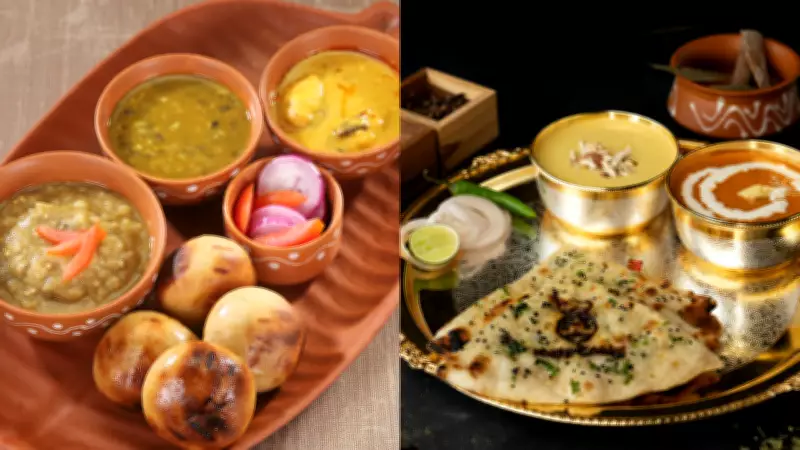
Originally a staple food in rural Bihar and eastern Uttar Pradesh, litti chokha emerged from practical considerations of affordability and accessibility. These wheat dough balls, stuffed with spiced sattu (roasted gram flour), were traditionally roasted over open fires and consumed with mashed vegetable preparations, creating a hearty, filling meal for agricultural workers and travelers using simple, locally sourced ingredients.

Long perceived as basic village fare, litti chokha has recently gained significant national recognition through food tourism initiatives and growing regional pride movements. Contemporary restaurants and urban cafes now present refined versions finished with premium ghee and carefully arranged accompaniments, effectively transforming this humble survival meal into a celebrated regional culinary treasure.
Dal Makhani: From Farmhouse to Fine Dining
Now synonymous with culinary indulgence, dal makhani began as a straightforward Punjabi farmhouse meal. Prepared using whole black lentils and kidney beans, it was traditionally slow-cooked overnight on wood-fired stoves, allowing farmers to enjoy a protein-rich, satisfying dish after demanding workdays.
Butter and cream were not originally incorporated in substantial quantities; these richer elements emerged later when restaurants in metropolitan Delhi popularized enhanced versions to appeal to urban dining sensibilities. Today, meticulously slow-simmered dal makhani serves as a signature offering in upscale North Indian restaurants, frequently marketed for its extended cooking process and distinctive smoky flavors, thereby elevating a rustic staple to luxury comfort food status.
Khichdi: The Wellness Superfood
For centuries, khichdi was associated with simplicity, recovery periods, and economic frugality. This basic combination of rice and lentils cooked together required minimal spices and was easily digestible, making it commonplace in modest households and during lean agricultural seasons.
Interestingly, contemporary wellness culture has dramatically transformed khichdi into a celebrated "superfood." Fine-dining establishments now serve gourmet interpretations featuring exotic vegetables, truffle oil infusions, or artisanal ghee. What was once considered plain and potentially monotonous is now praised for its nourishing qualities, balanced nutrition, and representation of mindful eating at its finest.
Ragi Mudde: Nutritional Powerhouse
In Karnataka and surrounding South Indian regions, ragi mudde was traditionally consumed by agricultural laborers because finger millet was affordable, resilient, and remarkably sustaining. Formed into dense balls and eaten with sambar or spicy gravies, it provided enduring energy for physically demanding work.
As awareness about millets and sustainable grains has expanded globally, ragi has been rediscovered as a nutritional powerhouse abundant in calcium and dietary fiber. Urban restaurants and health-focused cafes now highlight ragi dishes as premium, environmentally conscious choices, effectively reframing a once humble staple as modern wellness cuisine.

Sarson Ka Saag and Makki Di Roti: Heritage Cuisine
This iconic Punjabi winter combination originated as seasonal rural nourishment created from locally available mustard greens and maize flour. Farmers depended on these ingredients because they were inexpensive and well-suited to cold climatic conditions.
Today, sarson ka saag is celebrated as heritage cuisine. Restaurants emphasize traditional preparation methods, slow cooking techniques, and generous white butter toppings, often pricing it significantly above its humble origins. The dish's authentic rustic character has become its most compelling luxury appeal.
Pakhala Bhat: Probiotic Revival
In Odisha, pakhala bhat—fermented rice soaked in water and served with salt, chilies, or simple accompaniments—functioned as a cooling summer meal for working-class households. It minimized food waste by utilizing leftover rice while helping people manage intense heat conditions.
Modern nutritional science now highlights fermented foods for their gut health benefits, and innovative chefs have embraced pakhala as a probiotic-rich traditional dish. Upscale interpretations featuring curated accompaniments and regional culinary narratives have brought this once-overlooked meal into the contemporary culinary spotlight.
Misal Pav: Street Food Elevated
Misal pav began as an economical street food in Maharashtra, designed to be both filling and affordable. Sprouted lentils cooked in spicy gravy and topped with farsan (savory mix) delivered flavor and nutrition at minimal cost, making it popular among laborers and students.
Today, specialty eateries compete over regional misal variations, spice intensity levels, and premium ingredient selections. Some contemporary versions are presented with almost theatrical plating, transforming what was once everyday sustenance into a celebrated gastronomic experience.
Kanji Vada: Fermented Heritage
Kanji vada, particularly popular in North India during festive seasons, originated as a resourceful dish utilizing lentil dumplings soaked in fermented mustard water. The fermentation process enabled preservation without refrigeration, making it practical for modest household economies.
With growing global fascination surrounding fermented foods and traditional probiotics, kanji vada has experienced renewed appreciation. Boutique cafes and culinary festivals now present it as a heritage delicacy, emphasizing both its tangy flavor complexity and potential health benefits.
Conclusion
These eight dishes exemplify how culinary traditions evolve alongside societal changes. From practical solutions for nourishment to celebrated gourmet offerings, their journeys reflect broader narratives about cultural preservation, nutritional rediscovery, and the enduring power of food to connect generations. As chefs continue to reinterpret these traditional foods, they honor the ingenuity of past cooks while introducing these flavors to new audiences in contemporary dining contexts.
