

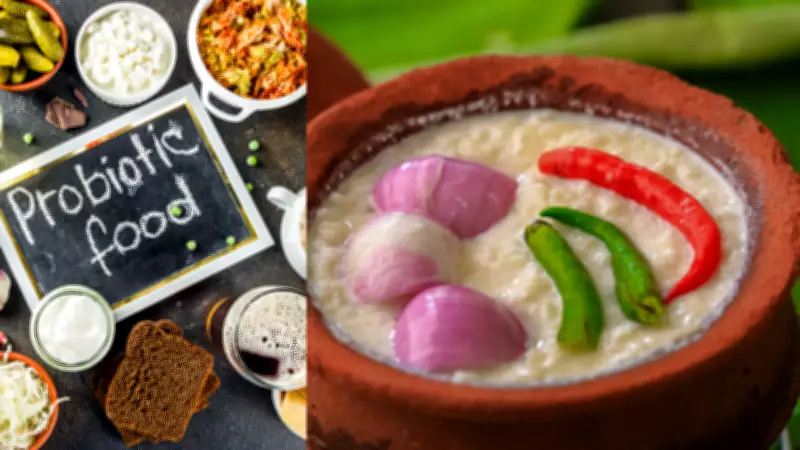
8 Indian Foods That Are Naturally Probiotic and Gut-Friendly
In the age of expensive supplements and influencer-approved wellness trends, some of the best gut-friendly foods are still the ones that have been sitting quietly in Indian kitchens for generations. They were not designed for labels, marketing campaigns or sleek packaging. They came from patience, climate, tradition and instinct. And somewhere along the way, science caught up with what home cooks had known all along: fermentation can turn simple foods into natural sources of beneficial bacteria.
These foods are often called probiotics when they contain live microorganisms that may support gut health. The catch is that not every fermented food will still contain active cultures by the time it reaches your plate. Heat, overprocessing and storage can reduce those live organisms. Still, the foods below remain among the most trusted, traditional and naturally probiotic-rich options in desi cooking.
1. Curd
Curd is probably the most familiar probiotic food in the Indian kitchen. Milk is set with a small amount of starter culture, and the result is a creamy, tangy bowl that is far more than a side dish. It is eaten with rice in the South, whisked into chaas in the North, mixed with spices, or simply served plain after a meal.

What makes curd special is the live bacterial culture involved in fermentation, usually including lactic acid bacteria. These cultures help thicken the milk and give curd its familiar sour note. Homemade curd, especially when made fresh and not overheated later, is often the most dependable version. It is simple, affordable and deeply embedded in everyday Indian eating.
2. Buttermilk
Buttermilk, or chaas, is another classic that deserves its reputation. Traditionally made by diluting curd and churning it, buttermilk carries many of the same live cultures as curd. It is light, cooling and especially beloved in warm weather because it feels soothing without being heavy.
A well-made glass of chaas, seasoned with cumin, ginger or curry leaves, does more than refresh. It can be one of the easiest ways to include fermented dairy in the diet without feeling like you are eating "health food." That is part of its genius. It tastes like comfort, but it behaves like a quiet ally for digestion.
3. Idli
Idli batter is one of the most elegant examples of fermentation in Indian food. Rice and urad dal are soaked, ground and left to ferment naturally. By morning, the batter rises, softens and develops the subtle tang that gives idli its character. When steamed, the result is fluffy, mild and easy to digest.
Because fermentation plays such a central role in the batter, idli is often considered a naturally probiotic-friendly food, especially when prepared traditionally. It is gentle on the stomach, which is one reason it has remained a breakfast staple across generations. It is proof that nourishment does not need to be aggressive to be effective.
4. Dosa Batter
Dosa batter is closely related to idli batter, and the fermentation process is the real magic behind both. The mixture of rice and lentils, left to ferment overnight or longer depending on the weather, develops a complex, slightly sour flavor and a texture that crisps beautifully on a hot pan.
The batter itself is where the probiotic value lives. Once it is cooked, the live cultures may not survive high heat in large numbers, but the fermented preparation still reflects the benefits of the process. Dosa, in its many forms, remains one of the most beloved examples of how Indian cooking uses time as an ingredient.
5. Kanji
Kanji is one of the most underrated fermented drinks in the desi food world. Made with black carrots, mustard seeds, water and salt, it is left to ferment naturally, often in the sun. The result is a vibrant, tangy drink that feels both rustic and strikingly modern.
Traditionally popular in North India, especially during seasonal transitions, kanji is one of those old-world recipes that carries both flavor and function. The fermentation creates beneficial microbes, while the mustard and vegetables add sharpness and depth. It is a drink with personality, and it tastes like something that has spent time becoming itself.

6. Homemade Pickle
Pickles are a paradox in Indian food culture. They are intense, salty and often tiny in serving size, yet they carry the memory of fermentation in every spoonful. Traditional pickles made with salt, oil, spices and time can encourage the growth of helpful bacteria during the early stages of fermentation.
Not every pickle sold today qualifies in the same way. Many commercial versions rely more on vinegar and preservatives than on natural fermentation. But homemade pickles, especially those prepared in the traditional style and stored carefully, remain a powerful reminder that preservation and nourishment often go hand in hand. Even a small amount can add a fermented edge to a meal.
7. Appam Batter
Appam batter, especially in South Indian homes, is another fermented preparation that deserves more attention. Rice is blended with coconut and sometimes a little toddy or natural starter, then left to ferment until it becomes airy and mildly tangy. When cooked, it yields soft centers and lacy edges, the kind of texture that only fermentation can create.
Appam is not just a dish; it is a study in patience. It shows how Indian kitchens have long understood that fermentation can transform plain grains into something delicate, fragrant and alive. The batter carries the real value here, with its live cultures and softened structure.
