

The Art of Tadka: Elevating Indian Cuisine with Regional Flavors
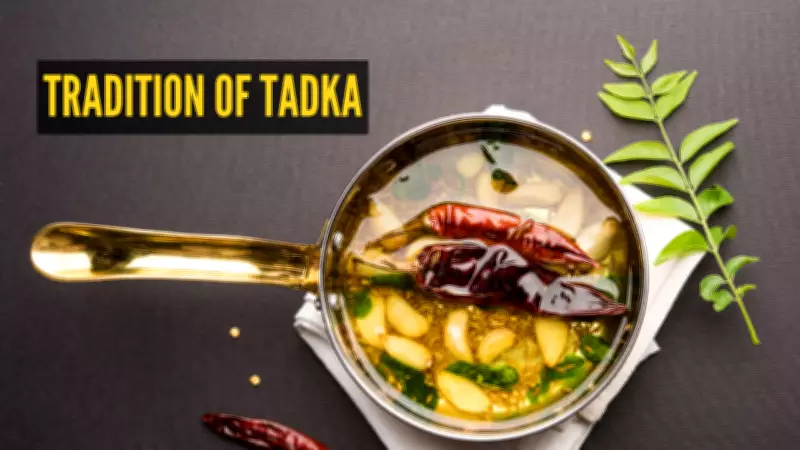
When asked what makes local Indian food so incredibly flavourful, the simple yet profound answer is our tadka or tempering. This key technique in Indian cooking transforms ordinary dishes into aromatic masterpieces, lifting their taste and aroma to another level entirely. Tadka varies significantly from state to state and region to region, reflecting the diverse culinary traditions of India. At its core, tadka involves heating oil or ghee with whole spices in a small pan, creating a fusion of flavours that infuses warmth and richness into the dish. It serves as the perfect finishing touch, elevating any meal with its distinctive character. Here, we explore eight classic tadkas used across India, delving into their unique ingredients and cultural significance.
Health Benefits of Tadka: More Than Just Flavor
Beyond enhancing the flavour of dishes, tadka offers notable health benefits, particularly aiding in digestion. The use of spices like cumin, fennel, and coriander helps break down complex foods, making them easier to digest and promoting better gut health. This traditional practice not only adds depth to meals but also supports overall wellness, making it a cherished aspect of Indian culinary heritage.
North Indian Ghee Tadka: A Rich and Comforting Classic
This classic Punjabi and North Indian tadka uses ghee as its base, combined with cumin, hing (asafoetida), garlic, and red chilies. Commonly poured over dal tadka and yellow moong dal, it imparts a rich, comforting finish that is beloved in households across the region. The aromatic blend of spices in ghee creates a warm and inviting flavour profile.

South Indian Mustard-Curry Leaf Tadka: Nutty and Aromatic
A signature and highly popular South Indian tempering, this tadka features peanut or coconut oil tempered with mustard seeds, followed by curry leaves and urad or chana dal, depending on the dish. It adds a nutty, aromatic punch to staples like sambar, rasam, and chutneys, showcasing the region's love for bold and fragrant flavours.
Bengali Panch Phoran Tadka: Distinctive Five-Spice Blend
As the name suggests, this tadka is predominantly used in Bengali cuisine for its distinctive taste. It involves tempering the famous five-spice mix called panch phoron in mustard oil, with spices including methi (fenugreek), nigella, cumin, fennel, and mustard. This combination creates a complex and aromatic flavour that enhances various Bengali dishes.
Rajasthani Red Chilli Hing Tadka: Bold and Spicy
Commonly used in Rajasthani homes for kadhi and curries, this tadka relies heavily on hing (asafoetida) and whole red chillies in hot ghee. The result is a bold and spicy tempering that adds depth and heat to traditional dishes, reflecting the region's robust culinary preferences.
Maharashtrian Goda Masala Tadka: Sweet and Aromatic
This tadka is slightly sweet and aromatic, utilizing mustard seeds, curry leaves, peanuts, and a sprinkle of goda masala. It is mostly used in varan, amti, and vegetable curries, offering a unique blend of flavours that is characteristic of Maharashtrian cuisine.
Gujarati Sweet–Spicy Tadka: Balanced and Flavorful
Locally known as vaghar, this tempering is made with ghee or oil along with mustard seeds, cumin, sesame seeds, curry leaves, and green chili. It is primarily used in kadhi and Gujarati dal preparations, providing a balanced sweet-spicy flavour that is both comforting and invigorating.
Andhra Spicy Garlic Tadka: Bold Heat and Aroma
In the Andhra region, bold heat flavours are cherished, and this tadka uses plenty of garlic, red chilies, and curry leaves in hot oil. It is employed in dal, curry, and even chutneys, delivering a powerful and aromatic kick that defines Andhra cuisine.
Kashmiri Fennel–Ghee Tadka: Warm and Subtly Sweet
Kashmiri cuisine emphasizes aroma over spiciness, and this tempering uses fennel and hing in ghee, lending a warm, subtly sweet fragrance to dals and yogurts. It showcases the region's preference for delicate and fragrant flavours that enhance without overpowering.

These eight traditional tadkas highlight the rich diversity of Indian cooking, each bringing its own unique touch to regional dishes. By understanding and appreciating these techniques, one can truly savour the essence of Indian culinary artistry.
