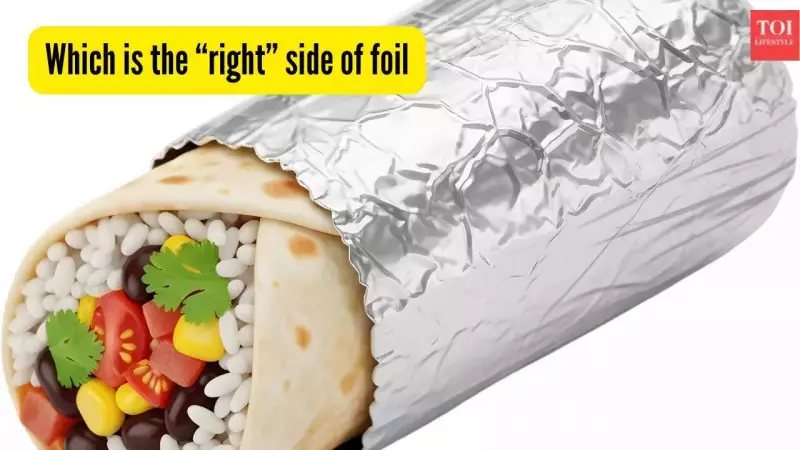
The Great Aluminum Foil Debate: Which Side Really Matters?
Aluminum foil sits in nearly every Indian kitchen cabinet. People use it for baking potatoes, wrapping parathas, and storing leftover sabzi. Yet a simple question puzzles countless home cooks. Should the shiny side or the dull side touch your food?
"I always use the dull side for wrapping my rotis," admits Mr. Deshmukh, an IT professional from Gurugram. "I never really thought about whether it was correct." His experience mirrors that of millions across India who grab foil without considering the two different surfaces.
Why Aluminum Foil Has Two Different Sides
The answer lies entirely in manufacturing. Aluminum foil production involves rolling massive aluminum slabs thinner and thinner. During the final stage, factories roll two sheets together simultaneously.

One surface presses against polished steel rollers, creating the shiny finish. The other surface touches the opposite aluminum sheet, resulting in the matte appearance. This mechanical process creates the visual difference.
Both sides contain identical aluminum material. The variation is purely cosmetic, involving surface texture rather than composition or thickness. Food safety remains identical regardless of which side you use.
Does Your Cooking Actually Depend on the Side?
No, it does not. The shiny versus dull distinction has minimal impact on cooking performance. Aluminum conducts heat efficiently regardless of surface finish.
While the reflective shiny side might bounce back slightly more heat radiation, this effect proves negligible in practical kitchen use. Both surfaces demonstrate identical chemical properties and reactivity.
Whether you're baking chicken tikka, grilling vegetables, or storing homemade pickles, the foil orientation makes no meaningful difference to your results.
When the Side Actually Matters (Rare Cases)
Specialized non-stick aluminum foil represents the exception. Manufacturers coat one surface with a non-stick material to prevent food adhesion.
In these specific products, companies clearly instruct users to place the coated side toward food. Regular household foil lacks any such treatment, making side selection irrelevant for everyday cooking tasks.
Why These Misconceptions Persist
Several factors explain the enduring confusion about foil surfaces:
- Visual Bias: Humans naturally associate shiny surfaces with higher quality and better performance.
- Internet Myths: Numerous blogs and videos circulate unfounded claims about one side cooking faster or being healthier.
- Lack of Official Guidance: Foil packaging rarely explains the manufacturing process, leaving consumers to guess.
Are There Any Health Concerns?
Scientific evidence shows no health risks related to which foil side contacts food. Any aluminum transfer comes from the material itself, not from surface characteristics.
Both shiny and dull surfaces behave identically when exposed to acidic foods like tomato-based curries or salty preparations. The finish doesn't influence metal migration.
Your biryani, paneer dishes, and baked snacks remain equally safe regardless of which foil side you use. The only caution involves avoiding extremely high heat with highly acidic or salty foods, but this applies equally to both surfaces.
The Final Verdict on Aluminum Foil
After examining manufacturing processes and scientific facts, the conclusion is straightforward. Either side works perfectly fine for all your kitchen needs.
Next time you reach for aluminum foil in your Mumbai apartment or Delhi home, use whichever side faces upward. Your cooking results and food safety won't change. The real difference exists only in our perceptions, not in the foil itself.
This simple understanding can save you time and eliminate unnecessary kitchen anxiety. Just focus on your recipe while letting go of this particular culinary myth.