Ancient Samosa Recipe Reveals 500-Year-Old Royal Origins, No Potatoes or Chillies
Samosa is a snack that most people take for granted, found everywhere from roadside stalls to cozy home kitchens, offering a sense of familiarity and comfort. However, a recent viral post is prompting a fresh perspective on this humble treat, shifting the focus from its taste or best vendors to its historical roots and original composition.
A Viral Post That Sparked Widespread Curiosity
The discussion ignited on the social media platform X, where a post detailed an ancient samosa recipe believed to be around 500 years old, sourced from a Persian manuscript. This manuscript reportedly changed hands among various rulers over centuries, including figures like Akbar and Tipu Sultan, before ending up with the British East India Company. Today, it is housed in the British Museum, adding a layer of historical intrigue to the story.
Inside the 'Book of Delights': A Royal Culinary Treasure
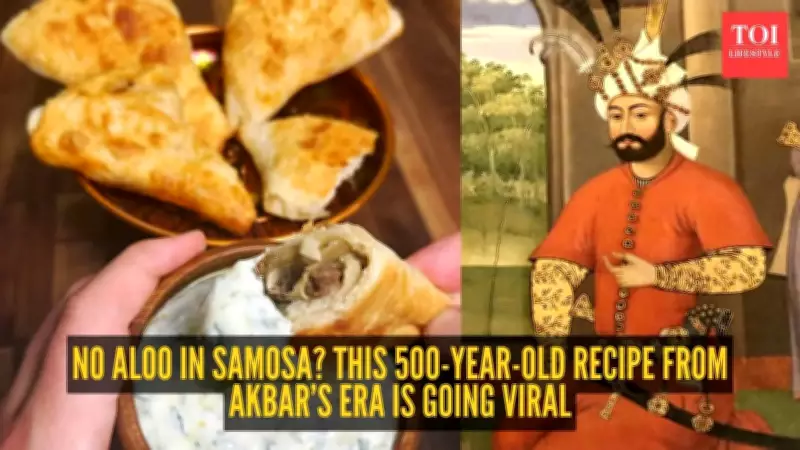
The recipe is part of the Ni’matnama, or the "Book of Delights," a text written between 1501 and 1510 for the Sultan of Mandu in central India. In that era, the samosa was far from a common street food; it was a delicacy crafted in royal kitchens, designed to be rich and elaborate. Instead of the potato filling that defines modern samosas, this ancient version featured roasted aubergine pulp, dried ginger, and lamb cooked with onion and garlic, all fried in ghee for a luxurious finish.

No Aloo, No Mirchi: A Surprising Absence
One of the most striking aspects of this recipe is the complete absence of potatoes and chillies, ingredients that are now staples in Indian samosas. At the time the recipe was recorded, these items had not yet been introduced to Indian cuisine, arriving later through trade and colonization. Consequently, the samosa from this period would have had a distinctly different flavor profile, more savory and less spicy than contemporary versions.
From Royal Kitchens to Everyday Streets
Over the centuries, the samosa transitioned from exclusive royal settings to become a widespread snack among the general populace. As it gained popularity, the recipe evolved to suit broader accessibility and simpler preparation methods. Ingredients were streamlined, and the dish gradually transformed into the affordable, portable street food that is now a beloved staple across India and beyond.
Internet Reacts to the Historical Revelation
The viral post has sparked a lively online debate, with many users reflecting on how food intertwines with history and culture. One commenter noted, "This shows how food is also a part of history and culture," while another observed, "Everyone links the samosa to India today. It’s an immigrant." However, not all agree; a dissenting view argued, "The samosa is an Indian invention. The Arabs brought it back from India after their invasion in the 7th century," highlighting ongoing discussions about culinary origins.
Disclaimer: This article is based on information shared on social media and other publicly available sources. The claims mentioned are part of ongoing discussions and have not been independently verified.