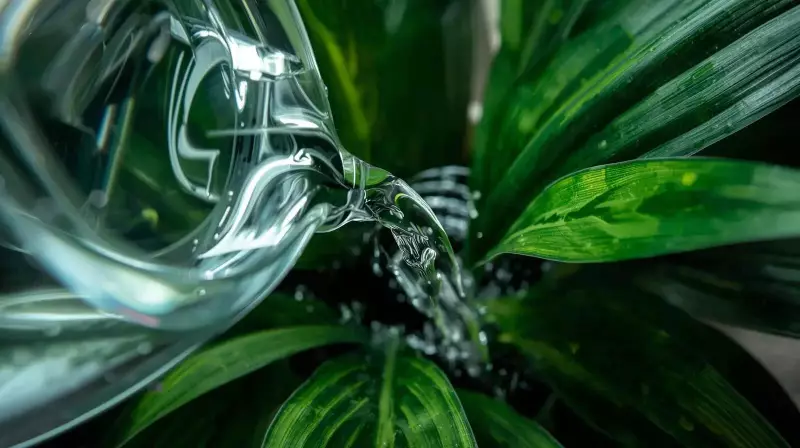
For many aquarium owners, the cloudy water from a routine tank cleaning is nothing but waste, destined for the nearest drain. But for gardeners with a keen eye, this same water is a valuable resource, a small gift from their fish to their flowers. This practice isn't about a miraculous hack; it's about recognizing the hidden life and nutrients already present in that water and redirecting it to benefit the soil.
The Science Behind the Green Thumb Secret
What makes aquarium water so special for plants? The answer lies in the complex, closed ecosystem of the tank itself. As fish live, eat, and produce waste, a natural cycle unfolds. According to a study published on MDPI, nutrients accumulate in the water over time. Fish waste, leftover food, and decaying plant matter break down into forms that terrestrial plants can readily absorb.
The most significant nutrient is nitrogen. In the aquarium, harmful ammonia from fish waste is processed by beneficial bacteria first into nitrites and then into nitrates. While ammonia and nitrite are toxic to fish, nitrate is far safer and, crucially, is a primary nutrient that fuels lush, leafy growth in plants. When you pour aquarium water onto garden soil, you're introducing this plant-ready nitrogen into a new cycle, where soil microbes and roots absorb it gradually.

More Than Just Nitrogen: A Complete Mini-Fertilizer
Aquarium water offers more than just nitrogen. It typically contains small amounts of other essential macro-nutrients. Phosphorus and potassium, vital for root development and overall plant health, are often present, originating from fish food and organic breakdown. Trace elements like iron can also be found, especially in tanks with live plants.
The water's mineral content, or hardness, plays a positive role too. Dissolved calcium and magnesium can improve soil structure and benefit plant health, which is particularly useful in containers or raised beds where minerals leach out over time. Furthermore, aquarium water usually has a stable pH due to carbonate buffering, making it unlikely to shock or harm garden soil when used occasionally.
How to Use Aquarium Water Safely and Effectively
Using this resource is wonderfully simple. The best approach is to pour the freshly changed water directly onto the soil around the base of your plants during regular watering. There's no need for storage or special treatment. However, moderation is key. Use it as an occasional supplement, not for every single watering session.
Most garden plants respond very well, especially leafy vegetables, herbs, houseplants, and ornamentals. The fine suspended organic matter in the water acts as food for soil microorganisms, enhancing soil life and helping sandy soils retain moisture. Avoid using it on plants that prefer poor, dry soil, like succulents and cacti. Crucially, never use water from a saltwater tank, as the salinity will damage soil and roots. Also, discard water if you've recently treated the aquarium with medications or chemicals.
The benefits are subtle and cumulative. You won't see overnight transformations, but over time, leaves may appear fuller and soil health can gently improve. For the eco-conscious gardener, the greatest appeal often lies in the simple act of creating less waste while nurturing more growth, closing a beautiful loop between two hobbies.