Arbi Ke Patte Ki Sabzi: A Traditional North Indian Culinary Treasure
Colocasia leaves, widely known as arbi ke patte in Hindi, have long been cherished as a staple ingredient across numerous traditional cuisines in North and East India. These leaves are not only flavorful and easily accessible but also packed with essential vitamins and iron, making them a nutritional powerhouse for everyday meals. While many people are familiar with dishes made from arbi (colocasia tubers) due to their health benefits, the leaves often remain overlooked in modern kitchens.
Why Arbi Ke Patte Deserves a Place on Your Plate
Preparing arbi ke patte requires careful attention to unlock their full flavor and avoid the itchiness commonly associated with these leaves. When cooked properly, they transform into a delicious and satisfying dish that complements rotis or rice perfectly. Whether you are exploring traditional home-cooked foods or seeking to add more greens to your diet, arbi ke patte ki sabzi offers both health and taste in every bite.
Recipe for Besanwali Arbi Ke Patte Ki Sabzi
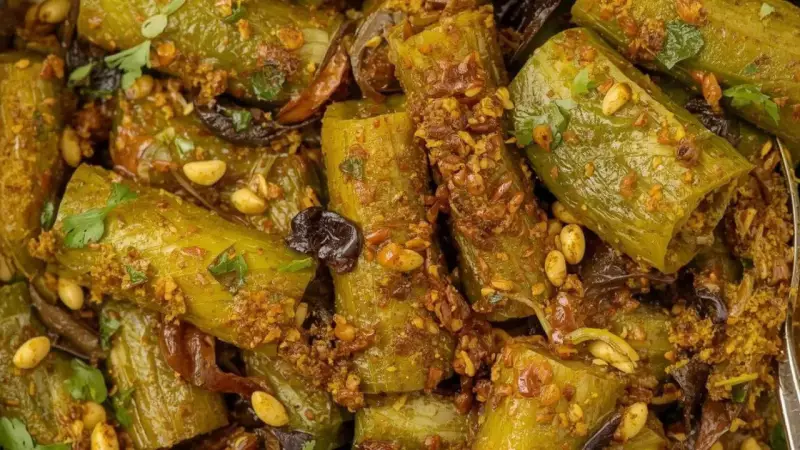
This besanwali version of arbi ke patte ki sabzi is a comforting and mildly spicy dish where roasted gram flour (besan) adds richness and balance. The besan absorbs excess moisture from the leaves, enhances their nutty flavor, and gives the sabzi a slightly crumbly texture that is ideal for lunchboxes and daily meals.

Ingredients You Will Need
- 10–12 fresh arbi ke patte (colocasia leaves), cleaned and blanched
- 2 tablespoons oil
- 1 teaspoon cumin seeds
- 1 medium onion, finely chopped
- 2 tablespoons besan (gram flour)
- ½ teaspoon turmeric powder
- 1 teaspoon coriander powder
- Salt to taste
- ½ teaspoon amchur (dry mango powder)
- 1 green chilli, finely chopped (optional)
Step-by-Step Method to Prepare the Sabzi
- Prepare the Leaves: Wash the colocasia leaves thoroughly and blanch them in boiling water for 3–4 minutes to remove any irritation. Drain well and chop them finely.
- Roast the Besan: In a pan, dry roast the besan on low heat until it turns light golden and releases a nutty aroma. Remove from the pan and set aside.
- Cook the Base: Heat oil in the same pan and add cumin seeds. Once they crackle, add the chopped onion and green chilli. Sauté until the onion becomes soft and lightly golden.
- Add Spices and Leaves: Add turmeric powder, coriander powder, and salt. Mix well, then incorporate the chopped colocasia leaves. Stir and cook for 4–5 minutes on low heat.
- Mix in the Besan: Sprinkle the roasted besan evenly over the sabzi and mix gently to coat the leaves well. Cook for another 3–4 minutes, stirring occasionally.
- Finish with Amchur: Turn off the heat and add amchur powder. Mix thoroughly and let the sabzi rest for a minute before serving.
This delightful sabzi pairs excellently with phulka, paratha, or roti. The besan adds a fulfilling quality to the dish, making it dry enough to be packed without spoiling, perfect for on-the-go meals.
Important Safety Note: Never Eat Colocasia Leaves Raw
It is crucial to remember that colocasia leaves should never be consumed raw. These leaves contain calcium oxalate crystals that, if ingested without proper cooking, can cause itching and a burning sensation. Blanching and cooking the leaves thoroughly eliminates these components, making them safe for consumption. This process ensures you reap the full health benefits of arbi ke patte without any adverse side effects.
By following this recipe, you can enjoy a traditional, nutritious, and flavorful dish that celebrates the culinary heritage of India while promoting a healthy lifestyle.