Baisakhi 2026: Traditional Dishes and Their Cultural Significance in the Harvest Festival
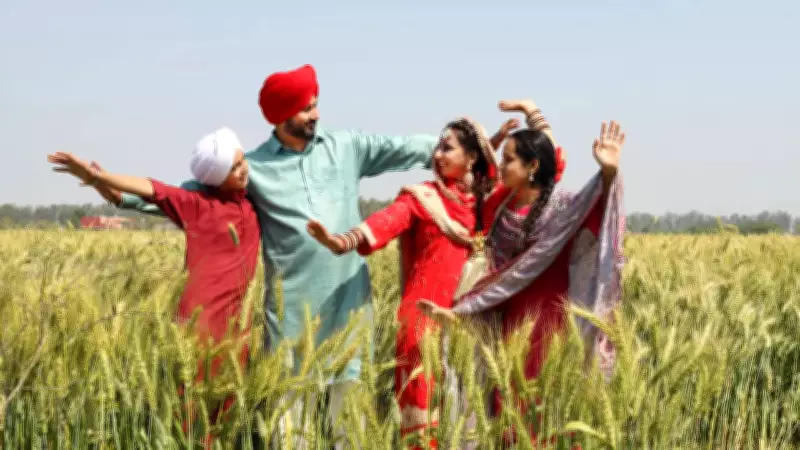
Baisakhi, also known as Vaisakhi, marks the Sikh New Year and the harvest of rabi crops, celebrated annually around April 13 or 14. This festival signifies the beginning of the solar new year and is deeply rooted in agricultural traditions. Like many Indian festivals, Baisakhi is incomplete without a rich array of traditional foods that not only delight the palate but also carry profound cultural meanings. This article delves into the traditional dishes prepared during Baisakhi and explores their cultural importance in the harvest festival, highlighting how they embody joy, prosperity, and community spirit.
Meethe Chawal: A Sweet Symbol of Prosperity
Meethe Chawal is a sweetened rice dish made with ingredients such as rice, sugar, roasted nuts, ghee, salt, kesar (saffron), and pepper. Its name translates to "sweet rice," and it is a staple in Baisakhi celebrations. According to cultural experts, this dish reflects joy, prosperity, and auspicious beginnings. The use of saffron and nuts in the recipe symbolizes richness and good fortune, making it a fitting dish for a festival that celebrates abundance and new starts. The vibrant colors and sweet flavors of Meethe Chawal are believed to bring happiness and positive energy to households during Baisakhi.
Kadhi Chawal: Embodying Togetherness and Sharing
Kadhi Chawal is a classic combo meal consisting of kadhi, a savory dish made from gram flour, curd or buttermilk, mustard oil, mustard seeds, curry leaves, fenugreek seeds, dry red chili, dry mango powder, and salt, served with steamed rice. During Baisakhi, this meal takes on a deeper cultural significance. Traditionally prepared in large quantities, Kadhi Chawal highlights the spirit of togetherness and sharing that is central to the festival. It is often cooked communally and served to family and friends, reinforcing bonds and fostering a sense of unity. The tangy and spicy flavors of kadhi paired with simple rice represent the balance and harmony sought in life, especially during harvest times.

Lassi: A Refreshing Gesture of Warmth and Welcome
Lassi is a popular summer beverage made with curd, sugar, malai (cream), rose syrup, nuts, and rose water. Beyond its role as a refreshing drink that cools the body and maintains hydration after long hours of celebration and outdoor festivities, lassi holds cultural importance in Baisakhi traditions. According to legends, serving lassi is a gesture of warmth and welcome, reflecting the hospitality and generosity of Punjabi culture. Whether served in earthen glasses or fancy metalware, lassi symbolizes the spirit of togetherness and abundance that defines the harvest season. Its creamy texture and sweet taste are enjoyed by all, making it a beloved part of the festival's culinary offerings.
Amritsari Chole: A Spicy Emblem of Hospitality and Energy
Amritsari Chole is a spicy chickpea dish that uses ground spices, onion, coriander leaves, ginger, and lemon juice, typically served with bhature or kulcha. Nutritionally, chole are a great source of plant-based protein and energy, making them ideal for sustaining long hours of festivities. From a cultural perspective, this dish reflects the warmth and hospitality of Punjabi households. The preparation involves hand-pounding spices and simmering soaked beans to achieve a thick consistency, often mashed slightly for texture. This meticulous process, done with love, underscores the care and effort put into welcoming guests during Baisakhi. The dish's robust flavors and hearty nature make it a centerpiece of the festival feast, symbolizing nourishment and community.

Kada Prasad: A Sacred Offering of Abundance and Gratitude
Kada Prasad is the most celebrated bhog (offering) made with whole wheat flour, ghee, and sugar or sugar syrup. It is first offered to the almighty in Sikh temples and then distributed equally among devotees. Nutritionally, it is rich and energy-dense, symbolizing abundance and prosperity during the harvest season. Culturally, Kada Prasad is prepared with devotion and shared without discrimination, serving as a reminder that the true joy of the festival lies in sharing, gratitude, and spiritual connection. This sweet treat embodies the principles of equality and generosity, core values in Sikhism, and reinforces the festival's themes of thankfulness for the harvest and communal harmony.
In summary, Baisakhi 2026 is not just a celebration of the new year and harvest but also a time to honor cultural traditions through food. Dishes like Meethe Chawal, Kadhi Chawal, Lassi, Amritsari Chole, and Kada Prasad each carry unique meanings that enhance the festival's spirit of joy, prosperity, togetherness, and gratitude. By understanding these culinary traditions, we can appreciate the deeper cultural layers of Baisakhi and the ways in which food brings people together in celebration.