Scottie Scheffler's Masters Heartbreak: The Green Factor That Made the Difference
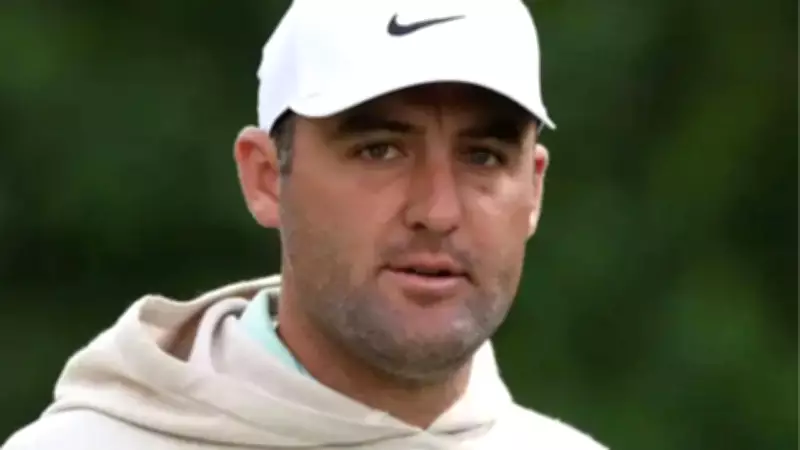
In a dramatic finish at the 2026 Masters Tournament, world-class golfer Scottie Scheffler came agonizingly close to claiming the coveted green jacket, ultimately finishing in second place just one shot behind champion Rory McIlroy. What makes this result particularly compelling is Scheffler's incredible comeback story and his subsequent revelation about how course conditions played a pivotal role in the tournament's outcome.
A Remarkable Comeback That Fell Just Short
Scheffler's journey through the Masters was nothing short of extraordinary. After the first two rounds, he found himself a staggering 12 shots behind the leaders, a deficit that would have discouraged most competitors. However, through sheer determination and flawless golf, he mounted one of the most impressive weekend charges in recent Masters history.
By Sunday afternoon, Scheffler had positioned himself within striking distance of the lead. The tournament came down to a crucial moment on the 17th hole, where his birdie putt stopped agonizingly at the edge of the cup. Had that putt dropped, it would have forced a playoff with eventual winner Rory McIlroy.

The Unexpected Variable: Changing Green Conditions
In his post-tournament analysis, Scheffler didn't focus on that missed putt as the defining moment. Instead, he pointed to something more fundamental: the unexpected changes to Augusta National's greens between Thursday and Friday.
"I was a bit surprised by how the greens were changed," Scheffler explained calmly. "Friday probably hurt the most in terms of my chances of winning."
Scheffler began his Masters campaign on Thursday afternoon, navigating what players described as one of the toughest course setups in recent years. The firm, fast conditions suited his game perfectly, resulting in a solid two-under 70 that kept him in contention.
The Friday Morning Shift That Changed Everything
Overnight, tournament officials made adjustments that significantly altered the playing conditions. By Friday morning, the greens had become noticeably softer and slower, creating scoring opportunities that hadn't been available the previous day.
"We went out on Thursday afternoon in some of the most challenging conditions we had all week," Scheffler recalled. "Going out on Friday, whatever they did to the greens to soften them up, they did some stuff, and I just wasn't able to take advantage."
While Scheffler struggled to adapt to the changed conditions during his early Friday round, posting a two-over 74, players in later tee times capitalized fully. Rory McIlroy and others took advantage of the more forgiving greens to post low scores, creating the 12-shot deficit that Scheffler would spend the weekend trying to overcome.
A Historic Weekend Performance
What followed was nothing short of spectacular. On Saturday, Scheffler fired a bogey-free 65, followed by another flawless round of 68 on Sunday. Over those final 36 holes, he didn't drop a single shot—a feat not accomplished at Augusta National since 1942.
His weekend statistics were remarkable:
- Nine birdies across two rounds
- One eagle during the comeback charge
- Zero bogeys over 36 holes
- Consistent pressure applied to the leaders
Despite this historic performance, Scheffler acknowledged that earlier struggles proved decisive in a tournament ultimately decided by a single stroke. "In a tournament decided by one shot, even small decisions matter," he reflected, referring to both his own play and the course management decisions that affected all competitors.
The Fine Margins of Major Championship Golf
Scheffler's experience at the 2026 Masters highlights the delicate balance in professional golf between player performance and course conditions. His calm, analytical assessment of how green changes impacted his tournament provides valuable insight into the strategic considerations that go beyond mere shot-making.

The tournament serves as a reminder that in major championships, victory and defeat often hinge on the smallest variables—whether it's a putt that stops on the edge of the cup or unexpected changes in course conditions that favor certain playing styles over others.