

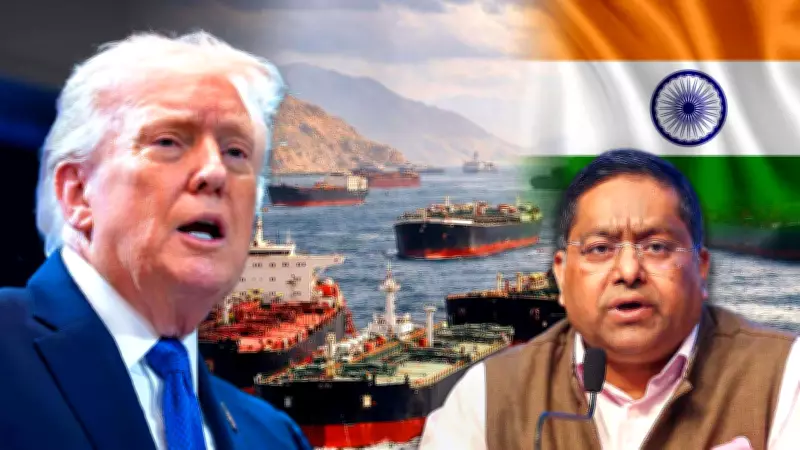
India Monitors 15 Stranded Ships Amid US Hormuz Blockade Plans
The United States is gearing up to enforce a significant naval blockade in the strategically vital Strait of Hormuz, specifically targeting Iranian ports. This move has sparked widespread concerns over potential disruptions to global shipping lanes and energy supplies, which could ripple through international markets.
MEA's Diplomatic Stance on the Crisis
In response to these escalating tensions, Ministry of External Affairs spokesperson Randhir Jaiswal addressed the situation, stating that India is closely monitoring developments in West Asia. Jaiswal reiterated the nation's firm commitment to dialogue, diplomacy, and de-escalation as essential tools for resolving conflicts. He also stressed the critical importance of maintaining uninterrupted freedom of navigation and ensuring smooth global commerce through this key maritime corridor.
Coordinated Efforts to Safeguard Indian Vessels
Officials have confirmed that approximately 15 Indian-flagged vessels are currently stranded in the region due to the looming blockade. In a coordinated response, the Ministry of Ports, Shipping and Waterways is working hand-in-hand with the MEA to expedite efforts aimed at securing the safe return of these ships. The primary goal is to resolve this precarious situation at the earliest possible opportunity, minimizing risks to crew and cargo.

Implications for India's Energy Security
India, which relies heavily on energy imports from the Gulf region, may face added economic pressure as a result of this blockade. The Strait of Hormuz is a crucial chokepoint for oil shipments, and any disruption could impact supply chains and prices. It is noteworthy that India's imports of Iranian crude have remained largely negligible since 2019, primarily due to international sanctions, but the broader Gulf energy dependency makes this development particularly sensitive for the country's energy security.
The ongoing situation underscores the delicate balance India must maintain in its foreign policy, advocating for peaceful resolutions while protecting its national interests in a volatile geopolitical landscape.






