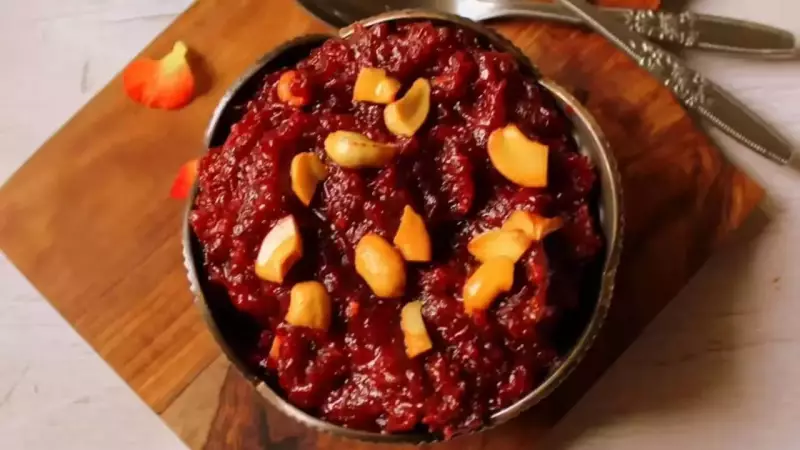
In the vast landscape of Indian sweets, one vibrant dessert is carving a niche for itself by blending indulgence with nourishment. Beetroot halwa, a stunning ruby-red delicacy, is redefining what it means to enjoy a traditional treat. Moving beyond common halwas made from grains, this dessert places the humble beetroot at its core, offering a perfect harmony of taste and health.
The Rise of a Wholesome Festival Favorite
Originally crafted in home kitchens during the winter months, beetroot halwa has gracefully ascended to become a special dessert for festivals and celebrations. Its popularity surge is driven by two key factors. First, the unique, slow-cooking process required to create its signature texture has given it an aura of culinary artistry. Second, and more significantly, it aligns perfectly with the growing modern trend of seeking healthier dessert alternatives. Its captivating appearance, inviting aroma, and comforting texture make it a winner for those who wish to enjoy sweets mindfully.
Essential Ingredients for the Perfect Halwa
The magic of beetroot halwa lies in the synergy of simple, high-quality ingredients, each playing a crucial role in the final masterpiece.

- Beetroot: The star ingredient, it imparts natural sweetness, moisture, dietary fiber, and its iconic deep red hue.
- Full-Cream Milk: Used to soften the beetroot during cooking and to provide a rich, creamy consistency to the halwa.
- Ghee: Adds a depth of flavour and prevents the mixture from sticking, while also aiding in nutrient absorption.
- Sugar or Jaggery: Acts as the sweetener. Jaggery is often preferred for its caramel-like taste and added minerals like iron.
- Cardamom: Introduces an aromatic warmth that beautifully offsets the earthy notes of the beetroot.
- Nuts (Walnuts, Cashews, Pistachios): Provide a satisfying crunch and healthy fats, enhancing both texture and nutrition.
When combined, these elements create a dessert where no single flavour overpowers another, resulting in a perfectly balanced sweet that is not cloying.
Step-by-Step Guide to Making Beetroot Halwa
Creating authentic beetroot halwa is a labour of love that demands patience, but the results are immensely rewarding.
The process begins by sautéing freshly grated beetroot in ghee. This initial step is crucial as it helps eliminate the raw smell of the vegetable. Next, full-cream milk is added gradually, and the mixture is simmered on a low flame. This slow cooking allows the beetroot to absorb the milk fully and breaks down its fibers, leading to a luxuriously soft and fibrous texture.
A key tip is to add the sweetener—sugar or jaggery—only after the milk has reduced significantly. This prevents the halwa from becoming watery. Fragrant cardamom powder is stirred in towards the end to preserve its essential aroma. The halwa is ready when it thickens considerably, starts to leave the sides of the pan, and develops a glossy sheen. Finally, roasted nuts are folded in to maintain their crunch, yielding a smooth, rich, and perfectly sweet final product.
Nutritional Powerhouse: Health Benefits Unveiled
When enjoyed in moderation, beetroot halwa stands out as a far more nutritious option compared to heavily refined Indian sweets. It transforms a simple vegetable into a dessert that offers tangible health perks.
Beetroot is loaded with antioxidants that combat oxidative stress in the body. It is also an excellent source of iron, which supports healthy blood flow and hemoglobin production, and dietary fiber for good digestion. Milk contributes protein and calcium, essential for strong bones and muscles. The ghee used not only enhances flavour but also helps in the absorption of fat-soluble vitamins and promotes digestive health. Opting for jaggery over white sugar incorporates trace minerals and provides a more sustained energy release.
Adapting the Classic: Variations and Serving Ideas
The beauty of beetroot halwa lies in its adaptability to various dietary needs and occasions.

- For a vegan version, simply replace dairy milk with almond milk or coconut milk.
- To reduce sugar content, rely more on the beetroot's inherent sweetness.
- For a richer, festival-style treat, add khoya (milk solids) during the cooking process.
- It can be served warm during chilly winters or chilled as a refreshing summer dessert.
- Garnishing with a generous sprinkle of nuts or edible silver leaf (varak) elevates its presentation for special events.
These variations ensure that this traditional recipe remains relevant and can be enjoyed in both classic and contemporary kitchens.
Beetroot halwa is a brilliant testament to the ingenuity of Indian cuisine, proving that traditional desserts can be both deeply satisfying and consciously healthy. It successfully bridges the gap between festive indulgence and everyday wellness, making it a dessert that truly deserves its spot in the spotlight.