

The Unexpected Discovery of Black Carrots in Bengaluru
After a lengthy five-hour workshop, I finally checked my WhatsApp messages to find a surprising note from my neighbor. She offered me some black carrots, as she had ordered extra. My excitement was immediate—black carrots are notoriously difficult to find in Bengaluru, often requiring special trips or long waits from specialty online stores.
A Modern Miracle: Quick-Commerce Delivery
To my astonishment, she revealed that these rare vegetables were sourced from a quick-commerce app. With just a tap and payment, they arrived at her doorstep within 15 minutes. I quickly advised her to freeze the surplus for making kanji later and promptly ordered two kilograms for myself. For a food writer, such a discovery of an everyday vegetable in an uncommon color is genuinely thrilling.
Debunking the GMO Myth on Social Media
Eager to share my find, I posted about it on X, only to receive an anonymous reply claiming these carrots were "GMO." This reflects a common scare tactic in today's food conversations, where unfamiliar items are hastily labeled as genetically modified. However, two critical clarifications are necessary.

First, in India, no food crops except cotton are legally permitted for GMO cultivation. Second, black and purple carrots are not modern inventions; they are heirloom varieties that predate the familiar orange carrot by centuries. Orange carrots were actually developed in the 17th century by Dutch farmers through selective breeding of mutant white and yellow strains.
The Science Behind the Color
The deep black-purple hue of these carrots comes from anthocyanins—naturally occurring, water-soluble pigments that also serve as powerful antioxidants. When you wash and peel a black carrot, the chopping board quickly fills with an inky purple juice, creating a dramatic, almost theatrical effect. Even my fingers turned purple, sparking ideas for tie-dye projects.
Black Carrots in Indian Culinary Traditions
These carrots have long been integral to regional Indian food traditions, particularly in the north. Kanji, a traditional fermented drink, is one of the most popular uses for black carrots in North India. Another seasonal delight is Awadhi-style black gajar ka halwa, a winter staple in Lucknow and surrounding regions.
A friend shared a photo of her homemade black carrot halwa, describing its flavor as more intense and carroty, with the color subtly enhancing the dish's experience. This highlights an intriguing aspect of cooking with black carrots: while the flavor profile is familiar, the visual transformation alters perception, making even classic recipes feel novel and dramatic.
Versatility in the Kitchen
In practical terms, black carrots can be used much like their orange counterparts. They add moody purple hues to carrot cake, jewel-toned shades to carrot and ginger juice, and refreshed looks to everyday dishes like carrot poriyal or sambar. This versatility underscores that eating involves sight and expectation as much as taste.
Recipes to Celebrate Black Carrots
Not everything unfamiliar is engineered or suspect, as social media often suggests. Sometimes, it's an heirloom ingredient making a comeback in modern kitchens, delivered within minutes. Here are two recipes to explore:
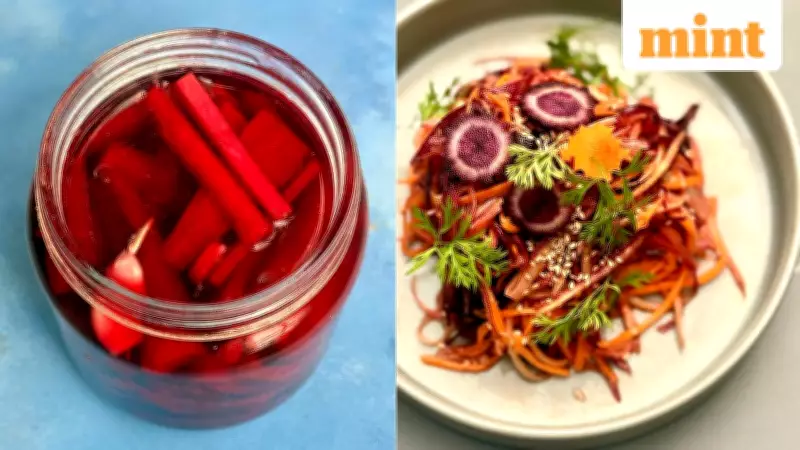
Lacto-Fermented Black Carrot Pickles
Makes 1 jar
Ingredients:
- 3 black carrots
- 1 large clove garlic
- 2 cups filtered water
- 14g salt
Method:
- Wash and peel the carrots, cutting them into batons.
- Place peels at the bottom of a clean wide-mouthed glass jar, then tightly pack carrot batons and garlic inside.
- Mix salt and water, pour into the jar until carrots are immersed.
- Close lid tightly and set aside for three days, with a plate below to catch any overflow.
- When bubbles appear and carrots taste tangy, refrigerate and consume within a week. Serve as a probiotic boost or add to salads.
Optional: Add black peppercorns, mustard seeds, or fennel seeds for extra flavor.
Three-Carrot Salad
Serves 2-4
Ingredients:

- 2 medium black carrots
- 1 medium red carrot
- 1 small orange carrot
- 1 tsp white sesame seeds
- 1 tbsp finely chopped parsley or carrot greens
For the dressing:
- 1 tbsp olive oil
- Half tsp finely grated ginger
- 1 tsp honey
- Half tsp salt
- 2 tsp apple cider vinegar or balsamic vinegar
- Pinch of red chilli flakes
Method:
- Peel and shave carrots into noodles using a julienne peeler or spiralizer.
- Whisk dressing ingredients until thick and creamy.
- Toss carrot noodles with dressing, then top with sesame seeds and parsley.
- Serve immediately.
This column, Double Tested, focuses on vegetarian cooking, highlighting a single ingredient prepared in two ways. Nandita Iyer (@saffrontrail) is a doctor, wellness advocate, and author.
