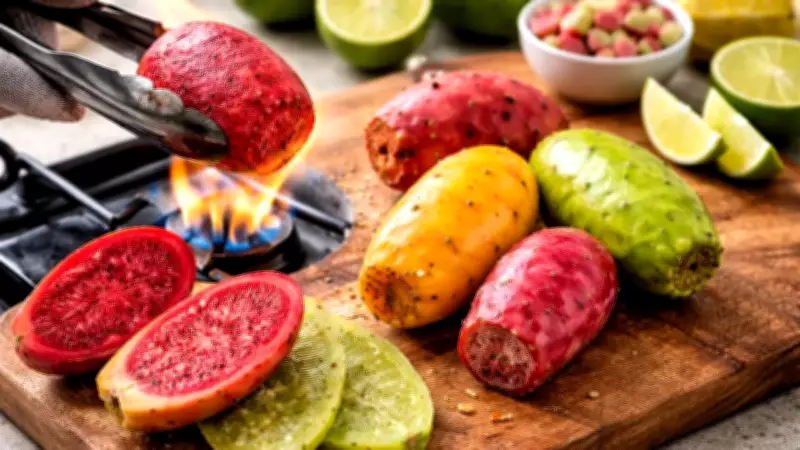
Cactus Fruit: A Guide to Enjoying the Sweet, Spiky Prickly Pear Safely
Cactus fruit, commonly referred to as prickly pear, might appear daunting with its spiky exterior, but hidden beneath lies a sweet and refreshing flavor that is gaining popularity beyond its traditional roots in American and Mexican cuisine. This unique fruit is celebrated not only for its distinct taste but also for its numerous health benefits, making it a worthwhile addition to your diet. However, before indulging, proper preparation is essential to avoid the tiny, hair-like thorns known as glochids, which require careful handling.
What Is Cactus Fruit?
The fruit of the cactus plant typically grows along the edges of its flat pads, resembling a pear in shape and coming in vibrant colors such as red, yellow, and green. Its thick skin is covered with glochids, while the interior is soft, juicy, and filled with small edible seeds. The flavor profile is often described as a delightful blend of watermelon, pear, and kiwi, offering a unique taste experience that, while not as mainstream as other fruits, is cherished in regions where it grows naturally.
How to Choose Ripe Cactus Fruit
Selecting a ripe cactus fruit is crucial for optimal taste and texture. An unripe fruit can be less enjoyable, so look for one with a rich, vibrant color—commonly red, though yellow and green varieties are also available. A ripe fruit will feel heavy for its size, indicating high juice content, and its skin should be smooth as the glochids become less prickly upon ripening. When purchasing from stores, thorns are often removed, but if present, avoid handling with bare hands to prevent irritation.

How to Cut Cactus Fruit Safely
Preparation requires caution due to the glochids. Start by removing these tiny thorns by gently rubbing the fruit with a paper towel or using tongs to pass it through an open flame, which burns them off. Be careful to avoid scattering spines in your workspace. Once cleaned, place the fruit horizontally on a cutting board, trim both ends, and make a shallow incision along its length. Peel the skin off easily if ripe, then cut as desired for consumption.
How to Eat Cactus Fruit Safely
After peeling, the entire interior is edible, featuring a soft, juicy texture with slightly grainy seeds that are safe to eat, though some prefer removing them for cooking. Enjoy it fresh for a sweet, refreshing treat, ideal during summer months. Avoid consuming the tough outer layer, even if thorns are removed, as it has an unpleasant taste.
Ways to Serve Cactus Fruit
This versatile fruit can be incorporated into various dishes. Add it to fruit salads for a colorful twist, blend into juices or purees for drinks like agua fresca, or use it to make jams, syrups, and candies. Its vibrant hue and flavorful profile make it a popular choice for creative recipes.
Why Proper Preparation Matters
Unlike many fruits, cactus fruit demands careful handling to prevent irritation from glochids. Taking a few minutes to clean and peel it ensures safety and enhances enjoyment. When prepared correctly, it becomes a tasty and easy addition to meals, transforming what seems challenging into a simple, delightful experience worth the effort.