Cornstarch: The Natural Kitchen Ingredient That Removes Oil Stains from Clothes
Picture this: you are enjoying a romantic candlelit dinner or a cozy pizza night at home, when suddenly, a few drops of olive oil accidentally spill onto your favorite silk blouse or a cherished cotton dress. The moment turns disheartening, as oil stains are notoriously difficult to remove, often seeming permanent. Many people instinctively reach for harsh, chemically loaded spray cleaners that emit strong laboratory-like odors. However, there is a better, more natural solution right in your kitchen cabinet.
Cornstarch as Nature's Grease Absorber
What do you typically use to thicken soups and sauces? That same cornstarch is a magical ingredient that can effectively lift grease stains from fabrics. By harnessing the power of nature, you can suck oil out of cloth and clean it efficiently. This home remedy offers an eco-friendly alternative for household chores, reducing reliance on toxic chemicals.
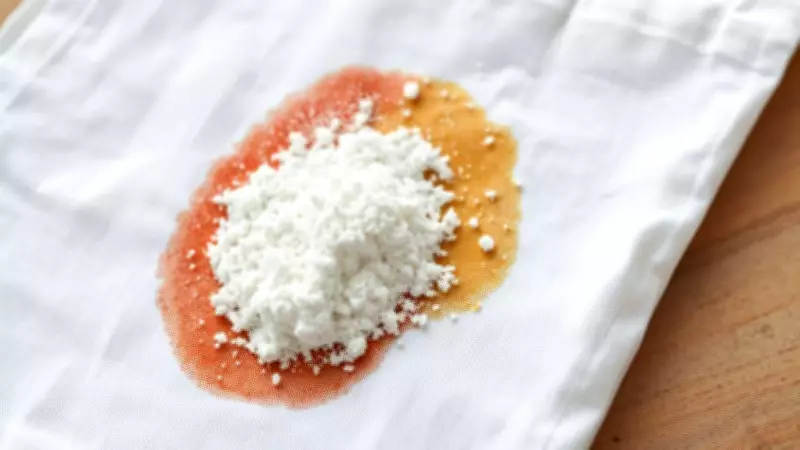
Grease stains occur because oil is hydrophobic, meaning it repels water. During washing, oil avoids contact with water and clings stubbornly to fabric fibers. Cornstarch provides a solution through its porous structure and high surface area, which absorbs grease effectively. When you sprinkle a generous layer of cornstarch onto a fresh oil stain, you initiate a physical absorption process.

According to a study titled Understanding the properties of fat, oil, and grease and their removal using grease interceptors, these substances are highly attracted to absorbent materials that can trap their molecular structure. Cornstarch essentially tricks the oil into leaving the fabric and entering the powder instead. After letting it sit for about twenty minutes, you can simply brush away the powder, taking a significant portion of the grease with it.
Enhancing Stain Removal with Enzymes for Tough Cases
For particularly stubborn or older stains, nature and science combine to provide a biochemical solution. Research, such as Purification and Characterization of an Alkaline Lipase from Streptomyces sp. AU-153 and Evaluation of Its Detergent Compatibility, reveals how enzymes work on fats, breaking them down into water-soluble units. While cornstarch handles new spills, using detergents containing lipases ensures any remaining oil particles are washed away during the final rinse cycle.
This method is safe for delicate clothes, including wool and silk, and is environmentally friendly. Acting quickly when a spill occurs yields the best results, preventing the stain from setting deeply into the fabric.
A Greener Solution to Stain Removal
With growing concerns about conventional laundry detergent surfactants contaminating aquatic environments, there is an increasing shift toward more eco-friendly laundry practices. Cornstarch is not only easily accessible and inexpensive but also biodegradable, nontoxic, and environmentally safe. Its use for cleaning delicate fabrics is convenient and does not damage or weaken fibers.
The move toward sustainable cleaning is further supported by innovations in the industry. For instance, the paper Highly hard water tolerant bio-based non-ionic surfactant with strong stain removal efficiency for household cleaning discusses how new, plant-derived cleaning agents are becoming just as powerful as their petroleum-based counterparts. By starting with a cornstarch pre-treatment and finishing with a bio-based detergent, you create a multi-step cleaning routine that is both effective and environmentally responsible.
Step-by-Step Guide for Optimal Results
To achieve the most effective outcome, timing is crucial. As soon as a stain appears, place the garment flat on a surface and completely cover the stain with cornstarch, enough to obscure the fabric's color. Avoid scrubbing, as this can drive the grease deeper into the material. Instead, dab lightly until the powder begins to clump or darken in color. Then, brush it away and apply a small amount of biodegradable dish soap to the affected area before tossing it in the laundry.
This approach not only saves your clothes but also contributes to a healthier planet by reducing chemical waste. Embrace this natural remedy for a cleaner, greener home.