The Hidden Danger in Your Kitchen: Cutting Board Bacteria
Kitchen chopping blocks serve as the fundamental foundation for food preparation in households worldwide. Every slice, chop, and dice creates microscopic scratches across the surface of these essential tools. While these marks might appear insignificant to the naked eye, they transform into perfect breeding environments for dangerous pathogens including E.coli, Salmonella, and Listeria. Even thorough washing cannot eliminate bacteria hiding within these invisible crevices, dramatically increasing the risk of cross-contamination when preparing raw meats alongside vegetables.
Why Cutting Board Grooves Become Bacterial Havens
Each knife contact with a cutting surface creates minute cuts that develop into grooves over time. These indentations become ideal locations for bacterial colonization because they trap food particles, juices, and moisture. Scientific research published in the Journal of Food Protection, specifically the study titled "Cutting Boards of Plastic and Wood Contaminated Experimentally with Bacteria," demonstrates that both plastic and wooden cutting boards retain bacteria long after initial contamination. Supporting evidence from another Journal of Food Protection article, "Hygienic Evaluation of Wooden Cutting Boards: Microbiological Parameters," reveals that bacteria not only survive but thrive in areas where water accumulates on cutting surfaces. This research confirms that visual appearance does not guarantee safety in food preparation environments.
The Age-Old Debate: Plastic Versus Wood Cutting Boards
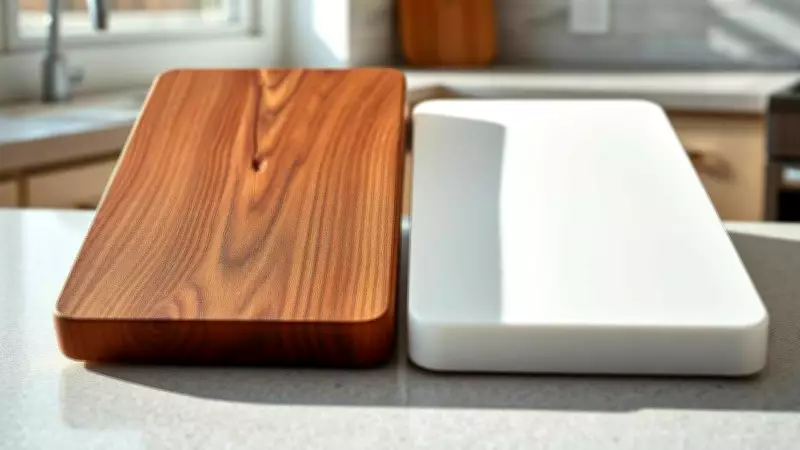
Many home cooks select plastic cutting boards due to their nonporous surfaces and smooth textures, which appear more hygienic at first glance. However, plastic boards suffer significant damage from regular knife use, developing deep scars where bacteria can establish colonies, rendering them progressively less effective over time. Wooden cutting boards contain natural compounds like tannins that inhibit microbial growth. According to research published in Coatings journal titled "Wood Cutting Board Finishes and Their Effect on Bacterial Growth," wood's unique texture interacts with moisture and microorganisms in complex ways. With proper maintenance including regular oiling and sanitization, wooden boards can minimize bacterial proliferation, though neglected wood surfaces can become as problematic as damaged plastic alternatives.

Preventing Cross-Contamination in Your Kitchen
Using a single cutting board for multiple food types significantly increases the likelihood of bacterial transfer between ingredients. This contamination occurs through shared knives, contaminated hands, or direct contact between food items. Since washing cannot reach bacteria hidden within board crevices, food safety experts strongly recommend implementing separate cutting boards for different food categories. Effective maintenance protocols include:
- Cleaning boards thoroughly with hot, soapy water after each use
- Applying proper sanitization methods regularly
- Ensuring complete drying before storage or subsequent use
- Replacing boards showing excessive scarring or cracks
When to Replace Your Cutting Board
All cutting boards eventually reach a point of deterioration where deep scratches compromise cleaning effectiveness. Plastic boards require immediate replacement when visible wear and tear appears. Wooden cutting boards demand careful inspection for splits, warping, or deep grooves that cannot be properly sanitized. The selection of appropriate materials, implementation of separate boards for different food types, consistent maintenance practices, timely replacement, and awareness of how knives can harbor bacteria collectively contribute to minimizing kitchen contamination risks. This comprehensive understanding empowers home cooks to prepare food more safely and confidently.