

Congress Slams BJP Over SIR Timing in Bengal, Alleges Poll Disruption as 2026 Assembly Elections Intensify
The 2026 Assembly elections have entered a crucial phase with the first round of polling completed on April 9 across several key states. The multi-phase electoral process continues to unfold with further voting scheduled throughout the month, culminating in the counting of votes on May 4. The electoral battleground spans Assam, Kerala, Puducherry, and West Bengal, each presenting distinct political dynamics and competitive landscapes.
Political Alliances and Campaign Narratives
The BJP-led National Democratic Alliance (NDA) is striving to maintain its hold on power in Assam while simultaneously expanding its influence in southern and eastern regions. Meanwhile, the Congress-led INDIA bloc, in collaboration with various regional parties, is capitalizing on anti-incumbency sentiments to challenge the ruling coalition.
Campaign narratives have predominantly focused on economic concerns, welfare schemes, law and order issues, and regional aspirations. The Election Commission has implemented enhanced monitoring measures, including the deployment of central forces and administrative adjustments, to ensure electoral integrity and prevent irregularities.

Key Electoral Details and Schedule
Polling Schedule:
- Phase 1 (April 9): Assam, Kerala, Puducherry
- Phase 2 (April 23): West Bengal, Tamil Nadu
- Phase 3 (April 29): West Bengal
- Counting of Votes: May 4
States and Seats:
- Assam: 126 seats
- Kerala: 140 seats
- Puducherry: 30 seats
- West Bengal: 294 seats
Major Political Alliances:
- NDA: BJP + AIADMK in Tamil Nadu, AINRC in Puducherry, AGP/UPPL in Assam
- INDIA bloc: Congress + DMK in Tamil Nadu, Left in Kerala
- Note: TMC in Bengal opposes BJP but is not part of the INDIA bloc
Congress Accuses BJP of Electoral Disruption in Bengal
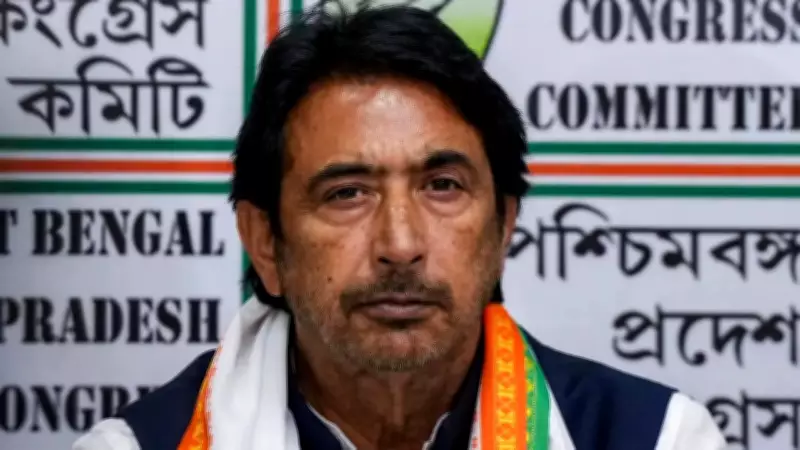
In a significant development, Congress leader Ghulam Ahmad Mir has accused the BJP of attempting to create chaos in West Bengal through the Election Commission, specifically targeting the implementation of the Special Intensive Revision (SIR) of electoral rolls. Mir emphasized that while SIR is a necessary electoral exercise, its execution in West Bengal was poorly timed and rushed, potentially disrupting the electoral process.
"The BJP is trying to create chaos in the state through the Election Commission, particularly over the implementation of the Special Intensive Revision of electoral rolls," Mir stated. "While SIR is a necessary exercise, its execution in West Bengal was poorly timed and rushed."
Campaign Developments Across States
West Bengal: The BJP has shifted its campaign focus to local governance issues, corruption, and women's safety. Former tennis player Leander Paes has joined the campaign trail, while Assam Chief Minister Himanta Biswa Sarma has raised the issue of border fencing—a claim firmly rejected by Chief Minister Mamata Banerjee.
Mamata Banerjee recently appealed for public support, writing on social media: "From student politics to three terms as Chief Minister, I have always walked with the people, and that will never change. I will continue to protect Bengal, safeguard people's rights, and preserve our secular and inclusive ethos."
Tamil Nadu: The NDA alliance, led by the AIADMK, has expressed confidence in a political shift. BJP leader K. Annamalai has claimed that Edappadi K. Palaniswami is likely to become the next Chief Minister as the state prepares for single-phase polling on April 23.
Tamil Nadu Deputy Chief Minister Udhayanidhi Stalin intensified the election campaign in Bodinayakanur, asserting that former Chief Minister O. Panneerselvam's entry into the DMK-led alliance would result in a significant setback for the AIADMK leadership.
National Level: The Delimitation Bill has emerged as a contentious issue. Shiv Sena (UBT) leader Sanjay Raut has alleged that the government may attempt to pass the bill while MPs from poll-bound states are occupied with elections—a claim the opposition has vowed to challenge.

Kerala: Opposition leader V. D. Satheesan has requested the Election Commission to release detailed constituency-wise polling data and postal ballot figures from the April 9 phase, citing transparency concerns.
Key Electoral Issues and What to Watch
Primary Issues: Inflation, unemployment, welfare schemes, law and order, infrastructure development, and local identity concerns are dominating the electoral discourse across states.
Critical Questions:
- Can the BJP retain power in Assam?
- Will the UDF break the LDF's hold in Kerala?
- Can the TMC secure a fourth consecutive term in West Bengal?
- Will the NDA make significant inroads in Tamil Nadu?
Election Commission Measures
The Election Commission has implemented comprehensive measures to ensure free and fair elections:
- Deployment of central forces in sensitive areas
- Transfer of officials in some states to prevent bias
- Strict enforcement of the model code of conduct
- Completion of the Special Intensive Revision (SIR) of electoral rolls
As campaigning intensifies across states ahead of the final phases of voting scheduled for April 23 and April 29, political temperatures continue to rise with allegations and counter-allegations shaping the electoral narrative.





