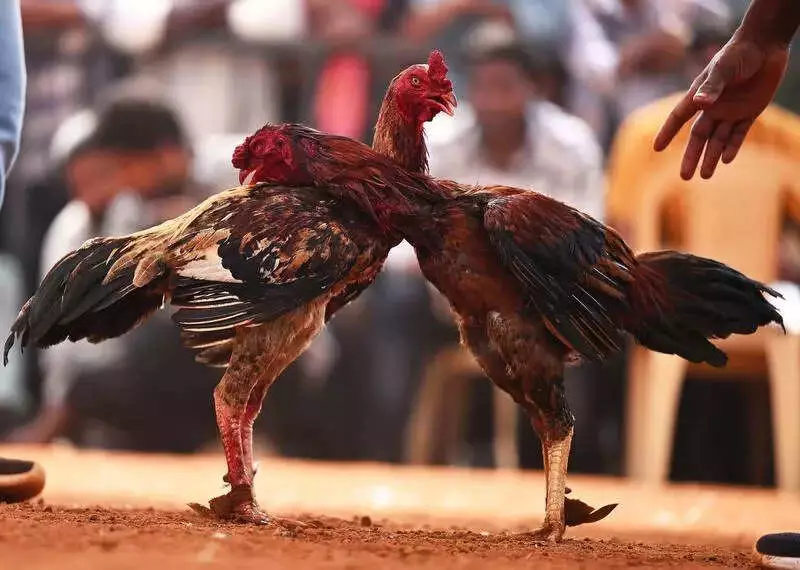
Defeated Cockfight Roosters Command Premium Prices in Andhra Markets
An unexpected culinary trend emerged across Andhra Pradesh during the recent Sankranti festival. The meat from Aseel roosters defeated in traditional cockfights became a highly sought-after commodity in local markets. Buyers competed eagerly to purchase this specialty meat, creating a surprising commercial opportunity from what was once a simple sharing practice.
From Arena Loss to Market Success
Traders reported remarkable prices for these birds. A single defeated Aseel rooster sold for between six thousand and eight thousand rupees. The meat itself commanded prices reaching eighteen hundred rupees per kilogram. This premium valuation reflects growing consumer fascination with the taste and perceived quality of this unique poultry product.
"Buyers waited near the fighting arenas even before matches concluded," said Ravada Suri Babu, a trader operating in the Bhimavaram region. "People genuinely believe this meat possesses special qualities, so it sells almost instantly."

Traditional Practice Turns Commercial
Historically, the losing rooster in cockfights would pass to the winner. The meat would then distribute among relatives and close friends as part of customary sharing. This year witnessed a significant shift toward commercialization.
High demand combined with limited supply transformed the tradition. Defeated or deceased birds received special dressing and preparation specifically for market sale. The surge turned what was essentially a community practice into a profitable business activity during the festive period.
Nutrition and Rearing Create Unique Meat
The popularity of Aseel meat connects directly to the bird's nutrition and specialized rearing methods. Breeders provide these roosters with rich, high-protein diets designed to build muscle and fighting strength.
- Their feed includes mutton keema
- They consume boiled chicken and eggs
- Their diet incorporates dry fruits like almonds and pistachios
This intensive feeding regimen contributes to the meat's distinctive dark color and dense texture. "The protein-rich diet makes the meat more nutritious and flavorful compared to regular chicken," explained Pantham Rangara Rao, a poultry expert based in Gannavaram.
Cooking Requires Patience and Skill
Preparing Aseel chicken demands particular culinary techniques. The meat requires slow cooking for approximately four hours to achieve proper tenderness and juiciness.
"When cooked patiently, it delivers a unique taste experience completely different from ordinary chicken," noted K Parvathamma from Amalapuram.
In Godavari districts especially, serving Aseel chicken during Sankranti represents a mark of respect. Families often reserve this special dish for honored guests, particularly visiting sons-in-law. Traders confirmed demand reached peak levels, with many able to fulfill only about thirty percent of total orders received.
The phenomenon demonstrates how traditional practices can evolve into commercial opportunities when consumer interest aligns with cultural significance. What began as a simple outcome of cockfighting arenas transformed into a premium food market during Andhra Pradesh's festive season.