

Easter 2026: A Culinary Journey Through India's Traditional Festive Foods
As Easter 2026 approaches, communities across India are preparing to celebrate with a rich array of traditional dishes that blend local flavors with religious significance. This festival, marking the resurrection of Jesus Christ, is observed with great fervor, especially in states like Goa, Kerala, and parts of the Northeast, where Christian populations have deep-rooted culinary traditions. The food served during Easter is not just about sustenance; it symbolizes renewal, joy, and communal harmony, making it a vital part of the festivities.
Signature Dishes of Indian Easter Celebrations
Indian Easter cuisine is characterized by its diversity, reflecting regional influences and family recipes passed down through generations. Key dishes include:
- Appam: A soft, lacy pancake made from fermented rice batter and coconut milk, often served with stew or curry. It is a staple in Kerala and other South Indian regions, symbolizing purity and new beginnings.
- Eggs: Hard-boiled eggs, dyed in vibrant colors, are a universal Easter symbol representing rebirth. In India, they are often incorporated into dishes like egg curry or served as a side with traditional meals.
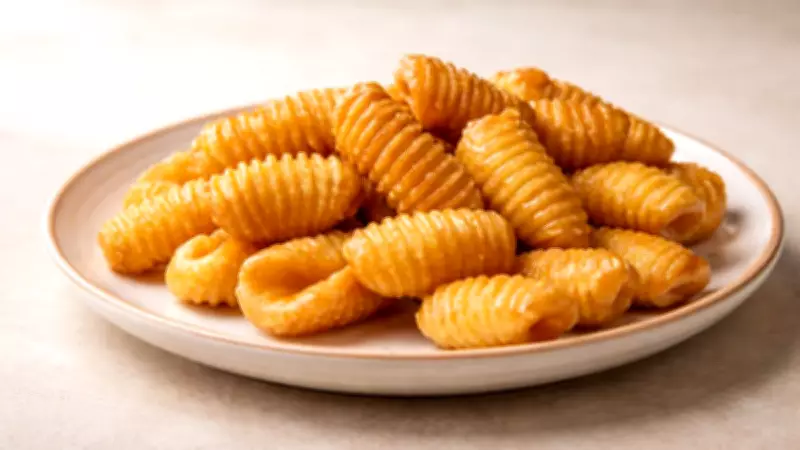
- Kulkuls: These are sweet, deep-fried curls made from flour, sugar, and coconut milk, popular in Goan and Mangalorean Christian communities. They are typically prepared during Lent and enjoyed as a festive treat.
- Sweets: A variety of desserts, such as bebinca (a layered Goan pudding) and dodol (a coconut-based sweet), add a touch of indulgence to the celebrations, highlighting the joy of the season.
- Meat Dishes: After the Lenten fast, meat becomes a centerpiece, with preparations like pork vindaloo, chicken cafreal, and mutton stew being common. These dishes showcase the blend of Indian spices with Portuguese and other colonial influences.
Recipes and Preparation Tips for Easter 2026
To recreate these traditional flavors at home, here are some simplified recipes and tips:

- Appam Recipe: Soak rice and grated coconut overnight, blend into a smooth batter, ferment for 8-10 hours, and cook on a special appam pan until golden and lacy. Serve hot with vegetable stew or chicken curry.
- Kulkuls Preparation: Mix flour, sugar, and coconut milk to form a dough, shape into small curls, deep-fry until crisp, and dust with powdered sugar. Store in airtight containers to maintain freshness.
- Egg Decoration: Use natural dyes from turmeric, beetroot, or spinach for eco-friendly coloring. Boil eggs with vinegar to help the color adhere better, creating vibrant displays for the Easter table.
- Meat Marination: For dishes like pork vindaloo, marinate the meat with vinegar, garlic, and spices for at least 4 hours to enhance flavor and tenderness before slow-cooking.
Cultural Significance and Modern Adaptations
The foods of Easter in India are deeply intertwined with cultural and religious practices. For instance, the breaking of eggs symbolizes the breaking of Lent, while sweets like kulkuls are often shared with neighbors to foster community spirit. In recent years, there has been a trend towards healthier versions, such as baked appam or sugar-free kulkuls, catering to modern dietary preferences without compromising tradition. Additionally, fusion recipes, like appam with international toppings, are gaining popularity, especially among younger generations.
As Easter 2026 nears, embracing these culinary traditions offers a way to connect with heritage and celebrate with family and friends. Whether you are preparing a grand feast or a simple meal, the essence lies in the joy of sharing and the flavors that have stood the test of time.

