

Eid Biryani Prices Surge as Hotels Switch to Firewood Amid LPG Shortage
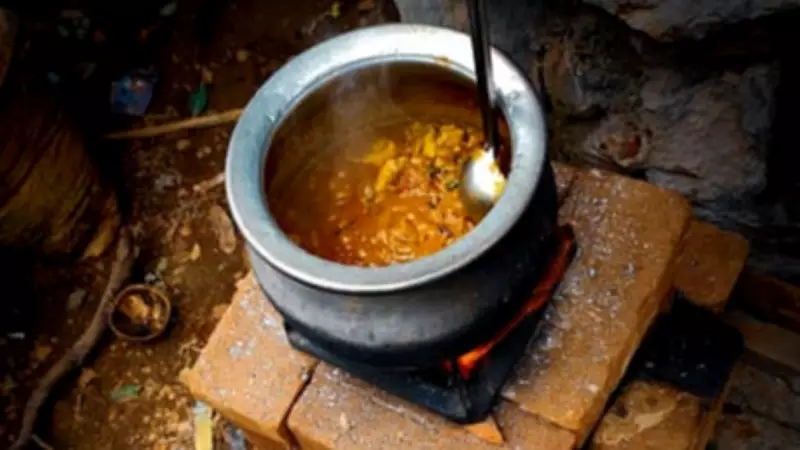
As the Ramzan festival culminates with Eid celebrations on Saturday, hotels across Tamil Nadu are facing a significant operational challenge that is directly impacting consumers. In a notable shift, many establishments are transitioning from conventional LPG cylinders to firewood for cooking, a move driven by supply constraints and logistical issues. This change, while necessary for maintaining service during the festive period, has led to a sharp increase in the prices of popular dishes, with biryani taking a particularly hard hit.
Firewood Adoption Drives Cost Escalation
The decision to use firewood instead of LPG cylinders is not merely a matter of preference but a response to acute shortages and distribution bottlenecks affecting the region. Hotels report that procuring LPG cylinders has become increasingly difficult, forcing them to seek alternative fuel sources to meet the high demand during Eid. Firewood, while more accessible, introduces higher operational costs due to its inefficiency and the need for specialized equipment and labor to manage the cooking process.
This shift has resulted in elevated production expenses, which hotels are passing on to customers. The price of biryani, a staple during Eid festivities, has seen a marked rise as it is traditionally prepared using methods that rely heavily on consistent and controlled heat, now harder to achieve with firewood. The increased labor and time required for firewood cooking further compound the cost, making biryani more expensive for celebrants.

Impact on Festive Celebrations and Consumer Spending
The price hike comes at a critical time when families gather to celebrate Eid, often featuring biryani as a centerpiece of their meals. Consumers are expressing concern over the added financial burden, with many noting that the increased costs could dampen the festive spirit. Hotel owners, however, emphasize that the adjustment is unavoidable given the circumstances, and they are striving to balance quality with affordability.
Industry experts highlight that this situation underscores broader issues in fuel supply chains and infrastructure, which can disrupt not only the hospitality sector but also everyday life. The reliance on firewood, while a temporary solution, raises questions about sustainability and environmental impact, though these concerns are secondary to the immediate need for cooking fuel during the peak festival season.
Looking Ahead: Potential Solutions and Market Response
As hotels navigate this challenge, some are exploring hybrid cooking methods or seeking alternative fuel sources to mitigate costs. However, with Eid celebrations imminent, immediate relief appears limited. The market response has been mixed, with some consumers opting for homemade alternatives or scaling back on restaurant orders, while others accept the higher prices as a necessary expense for the occasion.
This development serves as a reminder of how external factors, such as fuel shortages, can ripple through the economy, affecting cultural traditions and consumer behavior. Authorities and stakeholders are urged to address the underlying supply issues to prevent similar disruptions in future festive seasons.

