

Fermented Foods Make a Comeback in Chandigarh's Culinary Scene
In Chandigarh, a quiet revolution is brewing in kitchens as traditional fermented foods like tepache, sauerkraut, and kanji are experiencing a remarkable resurgence. This trend, driven by a growing awareness of health benefits and culinary curiosity, is transforming local eating habits and sparking new interest in age-old preservation techniques.
From Poita Bhat to Global Ferments: A Personal Journey
The story begins with poita bhat, a humble fermented rice dish from Assam that gained international attention when MasterChef Australia contestant Kishwar Chowdhury featured it in the Season 13 finale in 2021. For many in Eastern India, this moment was a source of pride, offering a defense against derogatory comments about regional food habits. However, despite its superfood status, poita bhat struggled to find a place in mainstream diets, especially in North India where richer, creamier dishes often dominate.
Enter Puja Aggarwal, co-founder of Cafe Wellbeing, a sister concern of the established outlet Back to Source. In a surprising twist, Puja revealed that she has been preparing poita bhat, which she calls kanji rice, multiple times last summer. Her genuine interest in fermented foods has led her to incorporate a variety of ferments into her cafe's offerings, including kombucha, tepache, kanji water kefir, and sauerkraut.

The Science and Business of Fermentation
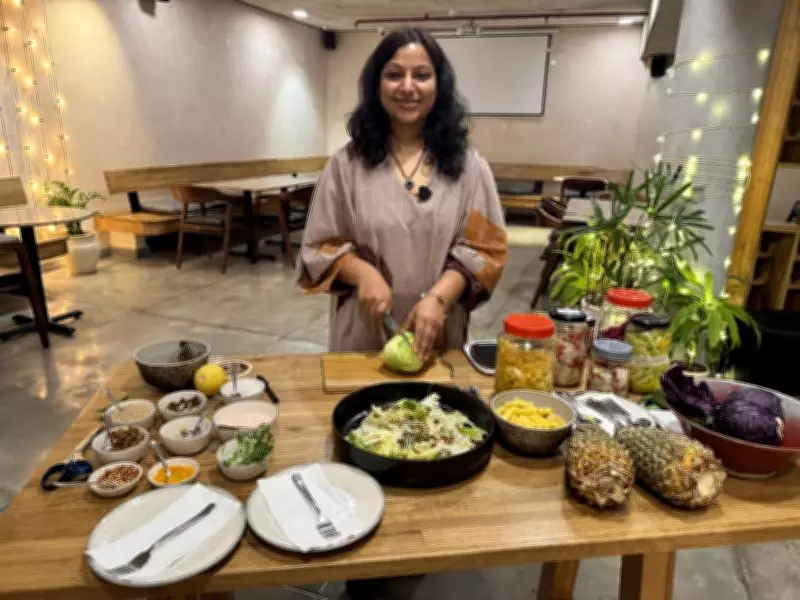
Puja's passion extends beyond serving these foods; she conducts workshops to educate people about the benefits of fermentation. "Welcome to the world of fermentation," she said proudly, guiding visitors to the basement of her cafe where jars of sauerkraut and tepache are stored. She explained that fermentation is a natural process where microorganisms like bacteria and yeast convert sugars in food into acids, gases, or other compounds, preserving the food and creating unique textures and flavors.
The health advantages of fermented foods are well-documented, ranging from improved digestion and gut health to liver detoxification and enhanced immunity. But does it make business sense in a city like Chandigarh? Puja argues it does, especially given the local diet's tendency toward oily and spicy foods. "A glass of tepache or a bowl of sauerkraut salad can act as a great neutralizer and introduce a health angle," she noted, adding that these items are easy to make at home, making them accessible to everyone.
Hands-On Fermentation: Sauerkraut and Tepache Recipes
To demonstrate, Puja shared two of her star ferments. First, a tropical variation of sauerkraut made with sliced green cabbage, pineapples, sea salt, grated ginger, turmeric, and chilli flakes. She emphasized precision with salt, which should be about 2% of the vegetable weight, to control microbes during the temperature-dependent fermentation process. The mixture is placed in a jar, covered with waste cabbage leaves, pressed with stones to cut off oxygen, and stored in a cold place for 5-6 days, with daily burping to release gas.
Sauerkraut is versatile, usable in salads, as pizza topping, or in sandwiches. Similarly, her tepache, made from pineapple peels, brown sugar, and spices, is refreshing and simple to prepare. Unlike poita bhat, these ferments have a fancier appeal, making them suitable for party menus without fear of criticism.
As the trend grows, Chandigarh residents are increasingly exploring fermented foods, driven by health consciousness and culinary innovation. This revival not only honors traditional practices but also adapts them for modern lifestyles, promising a flavorful and nutritious future for local kitchens.

