

Florida Man's Viral Iguana Waffle Recipe Sparks Invasive Species Debate
A Florida resident has captured widespread attention online after sharing his unconventional recipe for preparing green iguana, an invasive species wreaking havoc across the state. His approach encourages locals to transform this environmental pest into a sustainable meal option.
Cold Snap Creates Unusual Harvest Opportunity
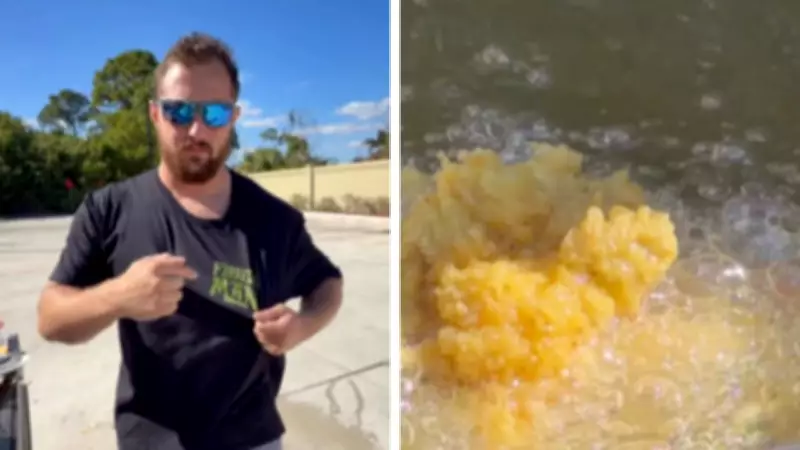
During a recent period of unusually cold weather, the reptiles became stunned by the low temperatures, causing numerous iguanas to fall from trees. This phenomenon presented a unique opportunity for residents to collect them for meat. While many Floridians have traditionally prepared iguana in dishes like tacos, one man named Ryan decided to take a more creative culinary approach.
"Looks good to me," Ryan told viewers in a video that has since gone viral. The footage, originally shared by Complex, shows Ryan preparing the iguana meat in a Waffle House parking lot. He detailed his marinating process, explaining, "I soaked these iguana legs for 24 hours in some buttermilk, pickle juice, and some seasonings."

Shocked Reactions and Environmental Context
At one point during his outdoor cooking demonstration, a Waffle House employee emerged to investigate the unusual activity. The employee appeared visibly shocked and questioned whether Ryan genuinely intended to consume the prepared dish.
Green iguanas have become a significant nuisance throughout Florida. The Florida Fish and Wildlife Conservation Commission has documented their destructive impact on local vegetation and infrastructure. These reptiles damage sidewalks, canal banks, and other structures through their extensive burrowing activities.
Although primarily herbivorous, researchers have discovered tree snail remains in some green iguanas' stomachs, suggesting they may also threaten endangered native species. Additionally, green iguanas pose health risks to humans, as they can transmit Salmonella through contaminated water or surfaces.
Official Support for Consumption as Control Method
Environmental officials frequently promote consuming invasive species as both a population control strategy and a cost-effective food source. Ryan's cooking experiment exemplifies this practical approach to environmental management.
"This is a wonderful way to help cull invasive populations while reducing the grocery bill," experts emphasize. Similar strategies have been implemented for other invasive species globally, such as Himalayan blackberries in the Pacific Northwest region of the United States.
The viral video has sparked broader conversations about innovative solutions to invasive species problems, demonstrating how individual actions can contribute to larger environmental conservation efforts while addressing food sustainability challenges.

