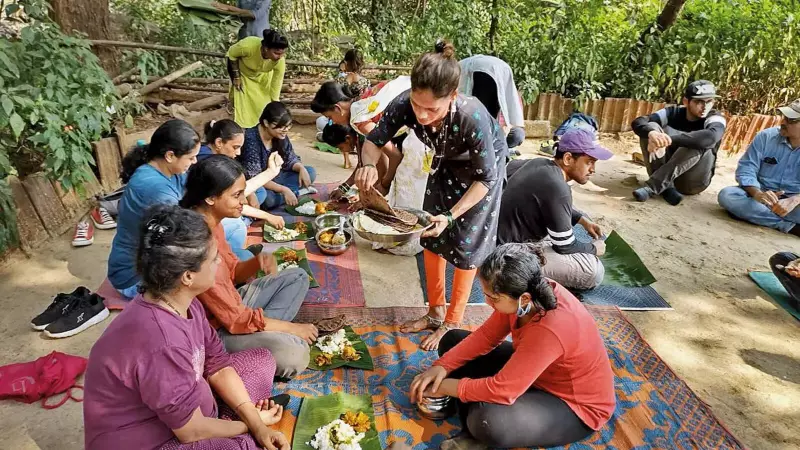
Forest kitchens and chef menus are bringing foraging back to Indian dining. This movement takes people back to the wild. It celebrates ancient ingredients and tribal traditions.
Phurshing Resin: A Rare Forest Treasure
The Chinese lacquer tree produces a special resin. This resin can cause intense itching for most people. In Duhum village, located in Arunachal Pradesh's remote Chug Valley, only one person knows how to harvest it safely. This 60-year-old individual avoids the painful rash that affects others.
Locally, people call this resin phurshing. Historically, it served multiple purposes. Communities used it to ease labor pain. They also polished tableware with it. Today, this traditional knowledge finds new life in modern kitchens.

Damu's Heritage Dine: Blending Tradition and Innovation
Women from Duhum village now work with Damu's Heritage Dine. This eatery draws inspiration from Monpa tribal traditions. The World Wide Fund for Nature-India supports their efforts. These women are transforming phurshing into contemporary dishes.
They create corn tarts using the rare resin. This innovative approach preserves cultural heritage while introducing it to new audiences.
A Culinary Journey from Valley to Metropolis
Last month, the women embarked on an extraordinary journey. They trekked for twelve hours out of their valley. They carried half a kilogram of foraged phurshing with them. Then they flew to Delhi for a special culinary event.
At Sidecar, a popular bar in South Delhi, they hosted a sold-out five-course pop-up. The meal began with their signature dish: Phurshing Gombu. These are maize tarts featuring slow-roasted lacquer resin and rich yak ghee.
Rediscovering Forgotten Flavors
Leike Chomu manages Damu's Heritage Dine. He explains their creative process. "When we conceived Damu's, our team listed forgotten dishes," Chomu says. "Phurshing gombu was among them, but I hadn't heard of it before."
This discovery highlights how foraging uncovers hidden culinary gems. It connects urban diners with rural traditions. The movement brings wild ingredients from forest floors to fine dining tables.
Foraging represents more than a food trend. It supports sustainable practices. It empowers tribal communities. It preserves biodiversity. Indian dining experiences are becoming richer and more diverse through these efforts.