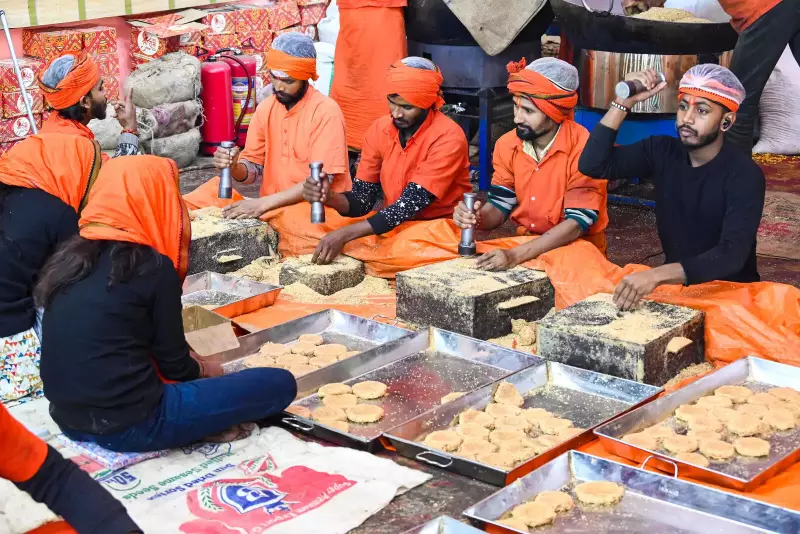
For eight long years, the iconic sweetmeat of Gaya, the crunchy and aromatic tilku, has been waiting for its rightful recognition. The much-coveted Geographical Indication (GI) tag, which would authenticate its origin and protect its unique identity, continues to elude this traditional delicacy, much to the frustration of its makers and sellers.
The Sweet Legacy and the Long Wait
Gaya, renowned globally for the Vishnupad Temple, is equally synonymous with tilku. This winter specialty, crafted from sesame seeds (til), jaggery or sugar, and a hint of ghee, is painstakingly crushed, heated, and moulded by hand. It holds a sacred place in Makar Sankranti rituals across India, with sales soaring during the festival season. A GI tag is not just a label; it is a powerful tool that boosts a product's authenticity, marketability, and consumer trust, leading to wider reach and better profits.
In 2016, the Bihar Rajya Misthan Bikreta Sangh formally applied for the GI tag for Gaya tilku. The application was vetted by the National Bank for Agriculture and Rural Development (NABARD). However, while a separate application for Silao Khaja from the same region was approved in 2018, the file for tilku remains stuck with the competent authorities, causing widespread dismay.

Broken Promises and a Damaged Brand
Lalji Prasad, President of the Tilkut Manufacturers and Sellers Association, expressed deep disappointment. He revealed that Chief Minister Nitish Kumar had personally assured him on multiple occasions that the GI tag would be secured to boost the tilku trade. "Nothing has happened even after so many years," Prasad lamented. He also accused Gaya Town MLA and Bihar Assembly Speaker, Prem Kumar, of repeatedly failing to deliver on his promises to the sweet makers.
When confronted, Speaker Prem Kumar conceded that the delay was regrettable and the tag was long overdue. He acknowledged a serious problem: the brand image of Gaya tilku is being tarnished in markets like Delhi, where inferior products are sold under its famous name. "Once the GI tag is awarded, such imitation and duplication will become much more difficult," Kumar stated, promising to now push the claim with utmost seriousness to ensure the tag is granted at the earliest.
The High Stakes of a GI Recognition
Experts emphasize that a GI tag acts as both an accelerator and a multiplier for regional products. For Gaya tilku, it is seen as a gateway to unlocking immense export potential. The sweet is dearly missed by the Indian diaspora abroad, and a GI certification would significantly enhance its global appeal and commercial value. The continued delay not only denies economic benefits to local artisans but also leaves a cherished cultural product vulnerable to imitation.
The story of Gaya tilku is a bittersweet tale of tradition caught in bureaucratic red tape. As another Makar Sankranti season passes, the hope for a GI tag that would protect its legacy and propel its future remains a pending wish for the city of Gaya.