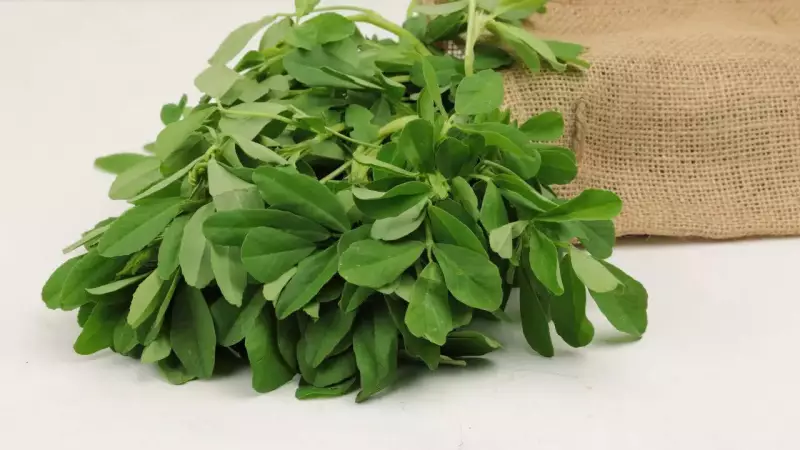
Say Goodbye to Tedious Methi Leaf Cleaning
For countless home cooks across India, cleaning methi leaves ranks among the most tiresome kitchen chores. This task becomes especially frequent during winter months when fresh fenugreek graces daily meals. From hearty methi parathas to flavorful sabzis, these vibrant green leaves bring warmth to winter mornings. Yet, their preparation often dampens the cooking spirit.
The Traditional Struggle with Delicate Leaves
Methi leaves present a unique challenge in the kitchen. Their small, delicate nature makes them cling stubbornly to thin stalks. Traditional methods demand considerable patience. Cooks typically pick each leaf individually or resort to multiple washes with copious water. Both approaches prove time-consuming and inefficient. The leaves often bruise during hand-plucking, while excessive washing can make them soggy.
This tedious process can turn joyful cooking into a dreaded task. Many cooks spend precious minutes each day just preparing methi, when that time could enhance their dishes instead.

A Revolutionary Kitchen Hack Emerges
Fortunately, a clever solution exists that transforms this chore completely. The secret weapon? A common kitchen grater. This simple tool turns a slow, messy job into a fast, clean operation. The technique requires minimal effort but delivers maximum results.
Step-by-Step Guide to Faster Methi Cleaning
Gather Your Methi and Tools
First, take a generous fistful of methi stalks. Bunch them together securely in one hand. Ensure you have a clean grater ready—preferably one with medium-sized holes.
Execute the Grater Technique
Hold the stem ends firmly. Position them near the holes of your grater. Apply gentle pressure as you pull the stalks downward. The magic happens instantly: leaves separate from stems, falling freely while stems remain in your hand.
Collect and Clean Your Leaves
Place a bowl or plate beneath the grater to catch the falling leaves. Once stripped, rinse the leaves thoroughly with water. You can submerge them briefly to remove any lingering dirt or sand. Finally, shake off excess water or pat them dry gently before cooking.
Why This Method Works So Well
This hack succeeds because it leverages the grater's design perfectly. The holes provide just enough resistance to detach leaves without crushing them. Both box graters and flat graters work effectively, provided their holes are sufficiently large. The process keeps your hands relatively dry and preserves leaf integrity.
Leaves emerge intact, not torn or bruised. This maintains their freshness and nutritional value. You save significant time while achieving cleaner results than traditional methods.
Common Pitfalls to Avoid
Even with this efficient hack, certain mistakes can hinder your progress. Being aware of these will optimize your experience.
- Avoid Plucking Leaves Individually: This old-fashioned approach wastes time and often damages delicate leaves.
- Don't Wash Before Stripping: Wet leaves become slippery, making them harder to handle and slowing down the process.
- Choose the Right Grater Size: Holes that are too small won't allow leaves through, while overly large holes might let stems pass. A medium-sized grater works best.
Reclaim Your Kitchen Time
This ingenious grater method revolutionizes a routine task. It demonstrates how simple kitchen tools can solve everyday problems creatively. By adopting this technique, you reduce prep time dramatically. Those saved minutes can then enrich your cooking—perhaps allowing extra seasoning or more careful preparation of accompanying dishes.
Winter cooking with methi no longer needs to begin with drudgery. Embrace this quick, effective solution and transform your culinary routine. Your future self, enjoying delicious methi creations, will certainly thank you.