There's something incredibly rewarding about growing your own food at home, and cultivating chickpeas offers one of the most satisfying experiences for container gardeners. Whether you're dealing with limited garden space or simply looking for straightforward projects to enhance your home garden, growing chickpeas in pots can be remarkably successful with the proper approach.
Why Chickpeas Are Perfect for Container Gardening
Chickpeas, also known as garbanzo beans or chanas, are drought-resistant legumes that thrive in well-drained soil with ample sunlight. Their adaptability to container environments makes them an excellent choice for urban dwellers with balconies, patios, or even window gardens. Unlike many vegetables that demand extensive garden beds and specialized care, chickpeas demonstrate remarkable compatibility with pot cultivation, offering beginners an accessible entry point into home gardening.
Step-by-Step Guide to Growing Chickpeas in Containers
Choosing the Right Container
The foundation of successful chickpea cultivation begins with selecting an appropriate container. Opt for pots that are at least 12 inches deep to accommodate healthy root development. Since chickpea roots dislike waterlogged conditions, ensure your container has sufficient drainage holes at the bottom to prevent moisture accumulation.

Preparing the Ideal Soil Mix
Chickpeas require lighter, well-draining potting mixtures rather than dense garden soil. A quality blend incorporating compost and sand promotes optimal drainage and supports robust root systems. Avoid soil varieties that retain excessive moisture, as these can lead to waterlogging and potentially cause root rot in your plants.
Providing Adequate Sunlight
Sunlight plays a crucial role in chickpea plant development. Position your containers in locations receiving 6-8 hours of direct sunlight daily to enhance stem strength, flowering, and overall growth. In particularly hot climates, consider providing afternoon shade to prevent heat stress while maintaining sufficient light exposure.
Sowing Seeds for Optimal Growth
Chickpeas respond best when seeds are sown directly into containers, as they dislike root disturbance during transplantation. Plant seeds 1-2 inches deep, spacing them several inches apart when using larger pots. This direct sowing method allows seeds to establish themselves in their preferred growing environment from the outset.
Implementing Smart Watering Practices
These legumes prefer moderate, occasional watering rather than constant moisture. Water your potted chickpeas when the top 1-2 inches of soil feel dry to the touch. Overwatering can lead to excessive foliage growth at the expense of chickpea production. Once established, these plants demonstrate impressive drought tolerance.
Nutrition and Plant Support
Chickpeas possess the unique ability to produce their own nitrogen through soil bacteria, reducing their need for heavy fertilization. Incorporating compost into your soil mixture before planting typically provides sufficient nutrients. If your soil lacks adequate nutrition, consider using a balanced fertilizer with low nitrogen content.
Harvesting Your Chickpeas
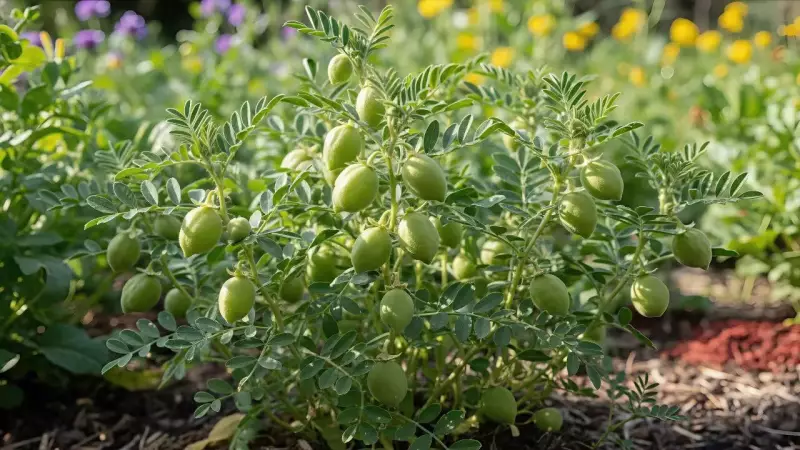
Chickpea plants generally require 90-100 days to reach maturity, though this varies among different varieties. For fresh green chickpeas, harvest when pods remain plump and green. If you prefer dried chickpeas, wait until pods turn brown and brittle before shelling and storing the seeds in cool, dry conditions.
Common Challenges and Solutions
Insufficient Sunlight: If plants appear weak or spindly, relocate containers to sunnier locations to improve light exposure.
Overwatering Issues: Regularly check soil moisture levels, as waterlogged conditions can lead to root problems and plant stress.
Pest Management: Aphids and beetles may occasionally appear. Control these pests using organic sprays or strong water streams to dislodge them from plants.
Plant Crowding: Overcrowded containers can reduce yields by limiting air circulation. Thin out excess plants to ensure proper spacing and healthier growth.

Container gardening with chickpeas offers urban gardeners a practical and rewarding way to cultivate nutritious legumes at home. With proper container selection, soil preparation, and care techniques, even those with limited space can enjoy the satisfaction of harvesting their own chickpeas throughout the growing season.