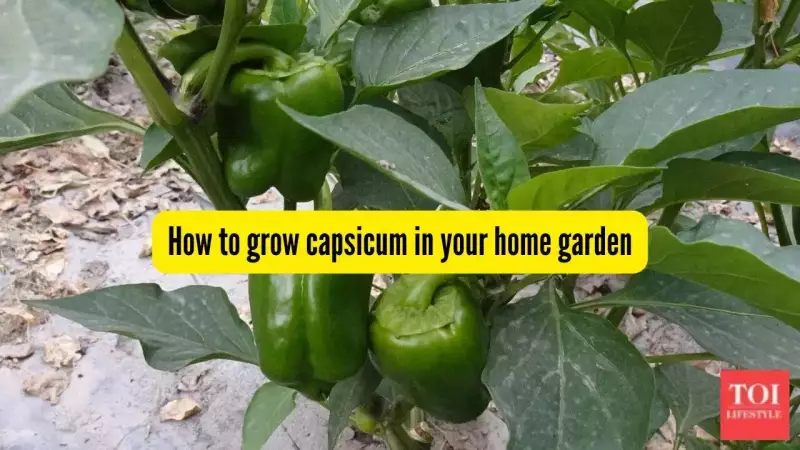
Grow Fresh Capsicum at Home: Simple Steps for Terrace Gardening Success
Capsicum, often called bell pepper or Shimla mirch, ranks among the most nutritious vegetables you can cultivate right at home. With its vibrant colors and rich vitamin content, this vegetable brings both health and beauty to your terrace or balcony garden. Many gardeners swear that home-grown capsicums taste significantly better than store-bought ones. They also come free from harmful chemicals, offering a pure, organic delight. Here is a straightforward guide to help you grow capsicum successfully and enjoy fresh produce from your own garden.
Location Matters for Healthy Growth
Your capsicum plants need plenty of sunlight to thrive. Aim for six to eight hours of direct sunlight every day. A balcony or terrace that receives morning sunlight serves as the perfect spot. Ensure the pot gets adequate light exposure. If necessary, rotate the pot regularly to provide even sunlight to all sides of the plant.
Prepare the Right Soil Mix
Capsicums require nutrient-rich soil with a slightly acidic to neutral pH level. You can create an effective mix using simple ingredients:

- Garden soil
- Vermicompost
- Sand or coco peat
Combine these components thoroughly before placing them in your pot. Adding perlite or vermiculite can improve soil structure. Remember, good drainage is crucial. Waterlogged soil can cause root rot, so ensure your pot allows excess water to escape easily.
Planting Seeds or Seedlings
Start by sowing capsicum seeds about one to two centimeters deep in seed trays. Keep the trays in warm conditions, as germination typically takes two to three weeks. For quicker results, many gardeners prefer using seedlings. This method can speed up the growing process and give you a head start.
Watering Your Plants Correctly
Regular watering plays a key role in capsicum care. Keep the soil moist but avoid making it soggy. Overwatering can damage the roots and hinder plant growth. Water deeply to encourage strong root development. During hot and humid summer weather, water your plants three to four times a week. Early morning watering helps plants absorb moisture before the day's heat sets in.
As capsicum plants begin to produce fruit, their stems can become heavy. Use small trellises to support the plants and prevent breakage. Pruning is also very important. Remove any dead or overcrowded branches to promote better airflow and healthier growth.
Managing Pests Effectively
Capsicum plants often attract pests like aphids and whiteflies. Regular monitoring helps you catch infestations early. Use neem oil sprays or mild soap solutions as needed to control these pests. Avoid overcrowding your plants, as poor airflow can lead to fungal issues. Maintaining proper spacing ensures each plant gets enough air circulation.
Harvesting Your Home-Grown Capsicum
Capsicums usually start bearing fruits within sixty to ninety days. You can harvest them at the green stage for a crisp, fresh taste. Use scissors to cut the fruit easily from the stem. This method prevents damage to the plant and encourages further production.
Growing capsicum at home offers a truly rewarding experience. With the right conditions and a little care, you can enjoy fresh, chemical-free capsicums straight from your garden. Embrace the joy of home gardening and savor the fruits of your labor.