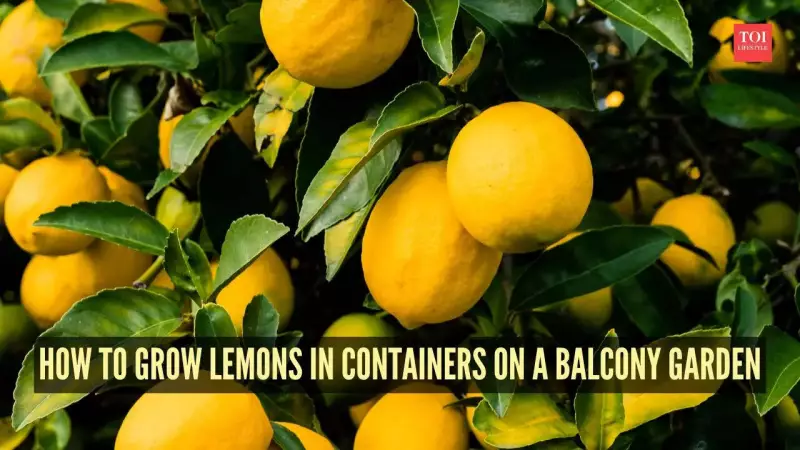
Grow Fresh Lemons on Your Balcony: A Complete Container Gardening Guide
Urban gardeners with limited space can now enjoy fresh lemons right from their balcony. Growing lemon trees in containers offers a practical solution for city dwellers who want homegrown citrus. These plants thrive in pots, produce fragrant flowers, and yield delicious fruits when given proper care.
Selecting the Perfect Lemon Variety
Dwarf lemon varieties work best for balcony container gardening. The Eureka lemon stands out as an excellent choice for pots. Dwarf trees handle pruning well and stay compact, preventing them from outgrowing their containers. Their manageable size makes them ideal for limited spaces.
Choosing the Right Container
Select a container with drainage holes that measures 12-16 inches in both width and depth. Lemon trees develop strong root systems that need ample room to spread. Terracotta, ceramic, or thick plastic pots work perfectly. Proper drainage prevents waterlogged soil, which can cause root rot.

Preparing the Ideal Soil Mix
Lemon plants require well-drained, nutrient-rich soil. Create a perfect blend by mixing garden soil with compost and sand or perlite. This combination ensures good aeration. Citrus trees dislike compacted soil, so keep the texture loose. Organic compost helps retain nutrients while allowing roots to breathe.
Meeting Sunlight Requirements
Your lemon plant needs at least 6-8 hours of direct sunlight daily. Place the pot on the sunniest part of your balcony. Adequate sunlight promotes blooming, fruiting, and overall plant health. Without enough light, the plant may grow leaves but fail to produce lemons.
Watering Your Lemon Tree Correctly
Water deeply only when the topsoil feels dry. Underwatering causes leaves to drop, while overwatering harms the roots. During summer, you may need to water more frequently. Reduce watering in winter. Keep the soil consistently moist but never soggy.
Feeding and Fertilization Schedule
Lemon trees are heavy feeders that require regular fertilization. Apply organic citrus fertilizer every 4-6 weeks during the growing season. Compost also works well. Nutrients like nitrogen, phosphorus, and potassium support leaf growth, flowering, and fruit development. Avoid over-fertilizing, which can damage the plant.
Pruning for Health and Shape
Regular pruning maintains size and encourages healthy branching. Remove dead, weak, or overcrowded branches to improve airflow and sunlight penetration. Light pruning keeps the plant compact, which is crucial for balcony spaces. Pruning also directs the tree's energy toward fruit production rather than excessive foliage.
Managing Pests and Diseases
Common pests include aphids, spider mites, and mealybugs. Control infestations by regularly inspecting leaves and spraying with neem oil or mild soap solutions when needed. Good air circulation and cleanliness prevent fungal diseases. Healthy plants grown in optimal conditions naturally resist pests better.
Ensuring Pollination and Fruit Setting
Most lemon varieties self-pollinate, so you don't need multiple plants. However, gently shaking the plant or hand-pollinating flowers with a soft brush can improve fruit set. This is especially helpful on balconies where insects may be scarce. Flowers appear first, followed by slow but rewarding fruit development.
Growing lemons on your balcony brings both convenience and satisfaction. With the right variety, sufficient sunlight, proper soil, and consistent care, you'll be amazed at how well these trees perform. Beyond providing fresh lemons, they add beautiful greenery to your urban home.