Marble countertops bring a timeless and luxurious quality to any kitchen. They instantly elevate the space with their elegant appearance. However, many homeowners face a common dilemma. Can you safely place hot cooking dishes directly on marble surfaces? The answer requires careful consideration.
Understanding Marble's Sensitivity to Heat
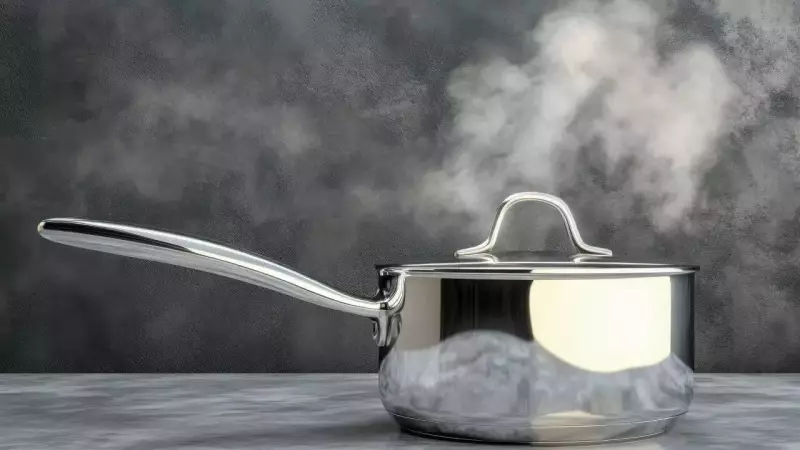
Marble is a durable natural stone that forms over thousands of years under intense heat and pressure deep within the Earth. Despite this origin, it remains sensitive to sudden temperature changes in your kitchen. Placing a hot casserole dish or a boiling pasta pot directly on cool marble can cause thermal shock. This reaction occurs because marble contains minerals that react to heat.
Granite or quartz countertops often withstand hot dishes with greater ease. Marble, however, may develop discoloration or lose its shine when exposed to high temperatures. White spots or rings can appear due to interactions between heat and moisture within the stone. Repeated exposure might lead to tiny cracks or a crazing pattern over time. The surface could become dull-looking without proper protection.

Safe Practices for Handling Hot Dishes
You should never place hot cookware directly on marble countertops. Instead, adopt these simple yet effective habits to maintain your surfaces.
- Trivets or Hot Pads: Always use a heat-resistant barrier. Trivets not only protect your marble but also add a stylish touch to your kitchen decor.
- Silicone Mats: These flexible mats are easy to store and provide a gentle, elastic layer that prevents scratches while shielding the stone from heat.
- Wooden Cutting Boards: Large wooden boards serve dual purposes. They offer a safe resting spot for hot pots and can double as elegant serving surfaces for guests.
These small routines take minimal effort but significantly extend the life and beauty of your marble counters.
Marble in Indian Cooking Environments
Indian cooking involves robust techniques with fire, sturdy pots, and frequent use of hot utensils. Marble countertops present both advantages and challenges in such settings. Their naturally cool surface is ideal for rolling rotis and kneading dough. Yet, they do not tolerate constant heat from pans or pressure cookers.
Resting a pot of boiling milk or a hot cooker lid directly on marble invites trouble. You might notice heat marks, cracks, or a gradual loss of sheen. For households preparing multiple hot meals daily, marble requires consistent protective measures.
Pair your marble surfaces with reliable habits. Use trivets, wooden boards, and heat-resistant mats as buffers. With this care, marble can function as both a practical and elegant staple in Indian kitchens.
Recognizing and Addressing Damage
Accidents happen despite best efforts. Watch for these telltale signs of heat damage on marble.
- White Spots or Rings: These marks emerge from heat and moisture interactions within the stone.
- Cracking or Crazing: Temperature fluctuations can create minute cracks or web-like patterns over time.
- Loss of Shine: Direct heating without protection often causes marble to dull.
If you observe these issues, professional polishing might restore some shine. Remember, prevention remains the most effective solution. Your marble surfaces will stay elegant and functional for years with mindful use.