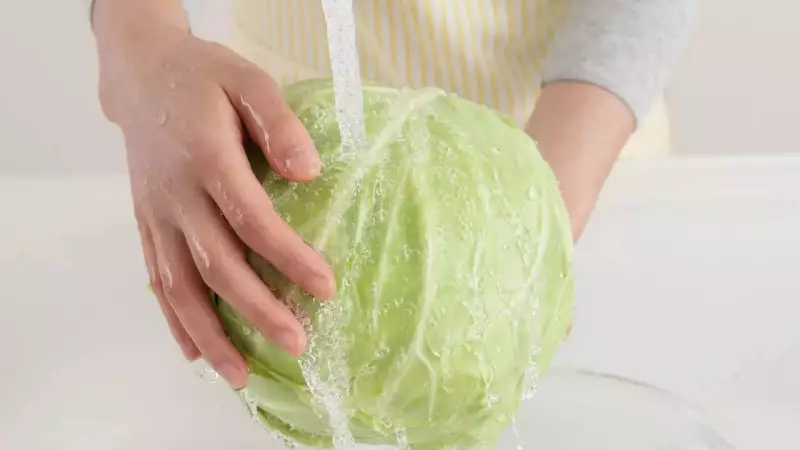
Cabbage, a staple in countless Indian kitchens, is celebrated for its versatility in dishes from sabzis to salads. However, its tightly packed, leafy layers present a unique cleaning challenge. Simply rinsing it under the tap is not enough to dislodge the hidden dirt, tiny worms, insects, and pesticide residue trapped deep within. Proper cleaning is essential for both hygiene and peace of mind, and it doesn't require harsh chemicals—just a few effective, time-tested methods.
Why Cabbage Demands Extra Cleaning Attention
The very structure of a cabbage—its multiple, overlapping leaves—makes it a perfect hiding spot for unwanted guests. Soil particles, worms, insects, and chemical residues can become lodged in the crevices, especially in the denser, inner layers. Cooking an unwashed or improperly cleaned cabbage means you risk consuming these contaminants. Therefore, it is crucial to avoid washing the vegetable whole or cooking it directly without following a thorough cleaning process.
The Step-by-Step Guide to Cleaning Cabbage
To ensure your cabbage is completely clean, follow this systematic approach. The key is to break down the vegetable to expose every leaf.

First, peel off and discard the outer layer of leaves, as these are often damaged or most exposed to dirt. Next, cut the cabbage into quarters and remove the tough, hard stem from the centre. The most critical step is to separate the leaves individually before washing. This is non-negotiable, as it allows water and cleaning solutions to reach the hidden dirt and insects between the layers. Once separated, proceed to the final wash using one of the powerful hacks below.
3 Effective Hacks for the Final Wash
After separating the leaves, these simple yet highly effective methods will ensure your cabbage is ready for the pot.
Hack 1: The Salt Water Soak
This is perhaps the most common and trusted method in Indian households. Salt creates an environment where worms and insects cannot survive. To use this hack, dissolve a generous amount of salt in a large bowl of water. Soak the separated cabbage leaves in this saline solution for 10 to 15 minutes. You will notice pests and debris floating to the surface. After soaking, give the leaves a good rinse under running water.
Hack 2: The Vinegar Water Rinse
Vinegar is excellent for cutting through grease and removing pesticide residue. For this method, mix one tablespoon of vinegar (like white or apple cider vinegar) into a bowl of water. Soak the leaves for about 5 minutes. It is vital to rinse the cabbage thoroughly with plain water afterwards, as you should not cook it directly after a vinegar soak, which could alter the flavour.
Hack 3: The Warm Water Final Wash
After using either the salt or vinegar soak, a final wash with warm water helps dislodge any remaining loosened particles. Gently rub the leaves with your fingers under warm running water to ensure all dirt is removed.
Important Reminders and Best Practices
Always remember that washing a whole cabbage is ineffective. Similarly, do not ignore the recommended soak times for the hacks to work. There is absolutely no need for soap or chemical cleaners; these simple, natural methods are perfectly adequate. An important note for those buying convenience: pre-cut cabbage from stores is not necessarily pre-cleaned. You should always wash, dry, and store it in an airtight container.
Investing these few extra minutes in cleaning cabbage properly makes a significant difference. It safeguards your family's health and ensures the meals you prepare are truly clean. Once you adopt this thorough routine, you'll never return to a quick, risky rinse again.