

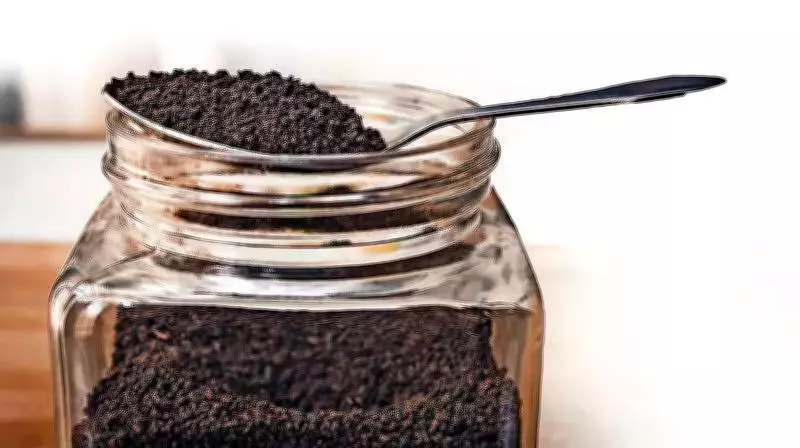
Major Tea Adulteration Racket Uncovered in Hyderabad
In Hyderabad, a city where the daily ritual of drinking chai is deeply ingrained in local culture, a disturbing and dangerous trend has emerged. Authorities have exposed a widespread tea adulteration racket that is compromising consumer safety and flooding the market with counterfeit products.
From Local Stalls to Counterfeit Brands
What began as a problem primarily affecting loose, unbranded tea powders sold at neighborhood stalls has escalated dramatically. The adulteration now extends to sophisticated counterfeit packaging of well-known national brands including Red Label, Gemini, and Taj Mahal. These fake products are typically sold at suspiciously low prices, attracting unsuspecting buyers.
Police Crackdown on Manufacturing Units
Over the past week, the Hyderabad City Police Task Force conducted coordinated raids on multiple manufacturing facilities involved in this illicit trade. Operations in Sanathnagar, Afjalgunj, and Goshamahal led to the seizure of approximately 10,000 packets of adulterated tea powder. Police confiscated packaging materials and low-quality raw ingredients that were reportedly sourced from dealers in Gujarat at discounted rates.

The counterfeit tea powder was packaged in imitation branded packaging and distributed through both retail and wholesale channels. Primary distribution hubs included busy commercial areas such as Afzalgunj and Begum Bazaar, along with surrounding neighborhoods. These markets are frequented by numerous households for their regular grocery shopping, making the reach of these adulterated products particularly concerning.
Disturbing Manufacturing Process Revealed
As investigations progress, police have uncovered alarming details about the manufacturing methods employed by the accused. The adulteration process involved mixing peat and excess coconut husk residue with hot jaggery water to create a texture resembling genuine tea. This mixture underwent a drying period of two to three days before synthetic food colors—specifically sunset yellow and tartrazine orange—were added to achieve the characteristic dark shade of tea.
The jaggery-coated material effectively absorbed these coloring agents, making visual differentiation from authentic tea powder extremely difficult for consumers. According to police documentation from the Sanathnagar unit, the typical adulteration formula consisted of 450 grams of low-quality tea dust, 500 grams of inferior tea granules, and 50 grams of color-mixed cocopeat per kilogram of final product.
Widespread Distribution Network
This adulterated tea powder was systematically supplied and sold to local tea stalls and various dealers across the city. Sellers deliberately misrepresented these products as genuine tea powder, exploiting consumer trust in established brands. The scale of distribution suggests this racket had been operating for a significant period before police intervention.
Official Warnings and Safety Recommendations
A Hyderabad City Police Task Force official issued a stern warning to citizens: "We strongly advise the public to verify the authenticity of household products by checking QR codes and other identification marks before making purchases. Consumers should only buy tea powder from authorized sellers and immediately report any suspected cases of food adulteration to the relevant authorities."
The official emphasized that vigilance is crucial in combating such fraudulent activities that pose serious health risks. Synthetic food colors and non-food materials like peat can have adverse effects on human health, particularly with regular consumption.
This case highlights the ongoing challenges in food safety regulation and the need for increased consumer awareness. As Hyderabad continues its love affair with chai, authorities are working to ensure that this daily comfort doesn't become a source of health concerns.

