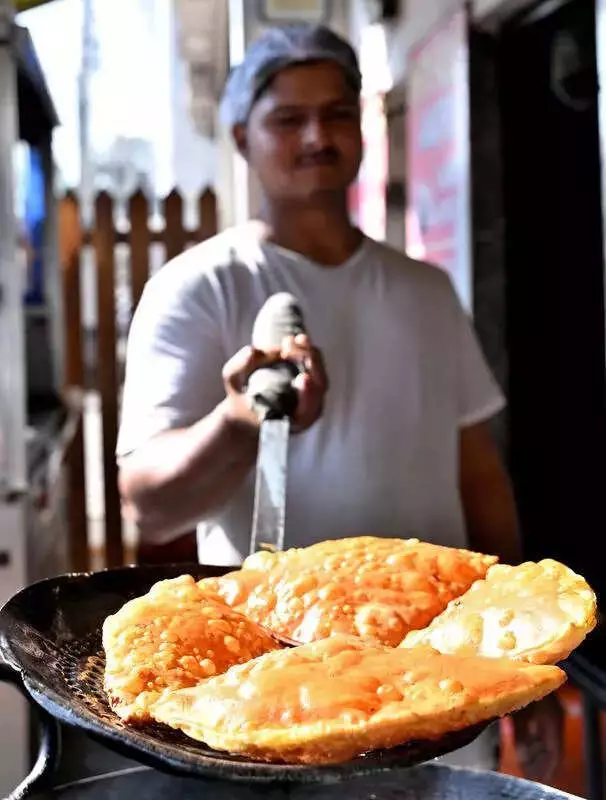
The Quiet Disappearance of Hyderabad's Mutton Kheema Lukhmi
Hyderabad proudly wears the title of UNESCO Creative City of Gastronomy. The City of Pearls boasts a rich culinary culture that blends Nizami, Turkish, Mughlai, Arabic, Deccani, and local Telugu flavors. Visitors flock here with mental checklists: biryani for lunch, kebabs by evening, haleem during Ramzan, and sweet treats like Sheer Khurma. These iconic dishes still dominate menus and wedding feasts. Yet, amid this vibrant food scene, a quiet old non-vegetarian starter is vanishing from sight.
A Dish That's Harder to Find
The mutton kheema lukhmi, once a regular feature in every Irani cafe and wedding spread, is now surprisingly scarce in its own hometown. Step into the historic Madina Hotel near Charminar, operating since 1947, and you will notice its absence. Lukhmi no longer appears on their menu. Hotelier Hamid offers a gentle smile when questioned about it. He recalls preparing it not too long ago. "We used to sell it earlier," he says. "But people stopped asking. There were hardly any takers, so we stopped."
Just a few steps away, Khaja Mohinuddin runs a small eatery that opened in the late 1990s. He remembers a different era when mutton lukhmi was a given. "Today, samosa has replaced it," he explains. "Samosa is easy to sell and store. Lukhmi goes stale quickly. Both sellers and customers have moved on."

Even Popular Spots Hesitate
At Shadab, famous for its non-vegetarian breakfasts, only a vegetarian version of lukhmi survives. This fact sparks debate among regulars. One customer questions, "How does a veg lukhmi even qualify? That is just a samosa with a thicker crust."
Hotel Miskeen in Ghansi Bazaar presents another telling scene. A server standing outside, inviting passersby to sample their dishes, shakes his head when asked about mutton lukhmi. "If big names like Shadab and Nayab hesitate to risk wasting expensive meat for a snack that might not sell, how can we?" he asks. "We are a small place. It is not possible for us."
A Growing Disconnect in the City
Travel further west or northwest in Hyderabad, and the disconnect becomes more pronounced. Many residents in these areas have never even heard of lukhmi. Bakery staff often show no recognition. At a Pista House bakery in Kukatpally, a waiter looks puzzled. "Is it something we eat?" he inquires. "I have never heard of it."
The Few Keepers of the Flame
Despite the general gloom, a few establishments still keep the tradition alive. In Somajiguda, Red Rose restaurant fries small batches every morning for a handful of regulars. "Only in the mornings... We prepare very few mutton lukhmis, and only regular customers ask for it."
Bismillah Hotel, once known for selling lukhmis in large quantities, now prepares just 20 to 35 pieces daily. That represents the total demand they currently see.
The Art of Making Lukhmi
Those familiar with lukhmi understand it is not an easy dish to prepare. The perfect one is crisp but not hard, firm yet light enough to break with two fingers. Crafting it begins with the dough. The maida must be kneaded well, achieving a firm but flexible consistency.
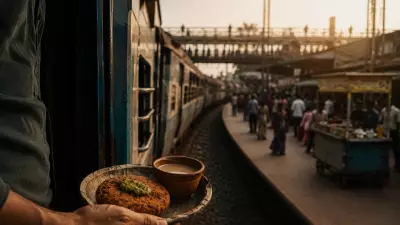
The kheema requires full cooking and even mixing with spices. Bakers roll the dough into a large sheet, fill it with small pockets of meat, cover it again, and then cut it into neat squares. They seal the edges with a fork and fry the pieces slowly until the outer layer turns a golden brown. Most lukhmis adopt a square shape, known locally as chaar koni.
Modern Attempts and Purist Opinions
Not every kitchen possesses the patience or skill for this process. Some cloud kitchens have started selling their own versions online, labeling them "re-invented mutton lukhmi" and pricing them between Rs 300 and Rs 600 for three pieces. However, purists remain unimpressed.
"They do not taste authentic," states Aman Khetani of the decades-old Cinderella Bakery in Secunderabad, one of the few places still selling proper mutton kheema lukhmi. "Sales have gone down compared to earlier times, but people travel from far for a bite. Once they taste it, they remember."

He recalls a period when lukhmi served as a popular starter for small functions and family gatherings. That demand has faded, much like its presence at weddings.
From Royal Kitchens to Fading Memory
Legend traces lukhmi back to the Nizamian era, where royal kitchens crafted it for exclusive gatherings. Over time, it moved from palaces to weddings and Irani cafes, becoming a symbol of celebration.
Today, only a few families still insist on keeping it on their wedding menu. "Most people do not even try it now," says Umair Ahmed of Al Maharaja Caterers.
Modern wedding menus tell a different story. Chinese starters, barbecue counters, pani puri stalls, and dosa stations now dominate. Seafood has also gained favor. This shift reflects changing tastes and a generation eager to experiment, even if it means leaving some traditions behind.
A Dish Rooted in Memory
For city food blogger Ashfaq Ahmed, lukhmi holds deep personal memories. "It was a staple in our Hyderabadi home since my childhood, especially during Ramzan, when my grandmother would make it for iftar," he shares. "The homemade version was softer, while wedding lukhmi was flakier and crisp. We eat it less often now, but still relish it whenever it is made."
He adds that lukhmi traditionally accompanied seekh kebabs at weddings but has lost ground to newer starters and rising mutton prices. He calls it Hyderabad's answer to the French croissant.
More Than Just a Food Trend
The slow disappearance of lukhmi represents more than a passing food trend. It serves as a reminder of how easily quiet traditions fade, not with resistance, but with silence. In a city that celebrates its food loudly, the lukhmi waits patiently, hoping someone will remember to ask for it again.