

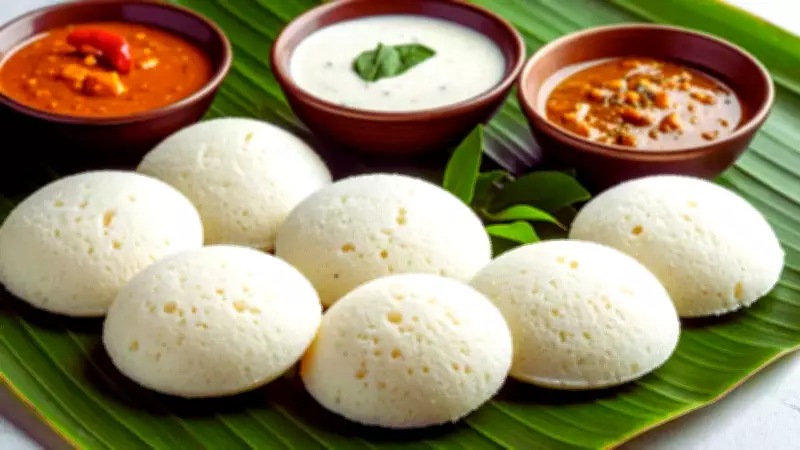
Idli's Global Rise: How a Simple South Indian Dish Became 2025's Most Searched Food
In a year marked by the resurgence of wellness trends, plant-based eating, and comfort foods worldwide, one humble South Indian dish quietly ascended to culinary prominence. Idli, the soft, steamed rice cake that has nourished generations long before its digital fame, emerged as one of 2025's most searched foods globally.
The Allure of Simplicity and Science-Backed Benefits
What explains this sudden global fascination? Perhaps it's the dish's remarkable simplicity. Maybe it's the scientifically validated health benefits. Or perhaps people have rediscovered what has always existed: a light, fermented, easily prepared meal that offers both gentle nourishment and deep satisfaction. In an era of constant superfood searches, idli represents something refreshingly authentic.
Comfort Without Compromise: The Gentle Nourishment of Idli
At first glance, idli might appear too simple to be special—small, round, snow-white, and soft enough to yield to a gentle touch. It lacks vibrant colors or elaborate garnishes. Yet this very simplicity constitutes its appeal: quiet, substantial nourishment. Unlike deep-fried alternatives or heavy breads, idli is steamed, preserving nutrients while eliminating excess oil. The result is a meal that satisfies without weighing one down, earning its reputation as "comfort food without guilt" that energizes rather than induces sluggishness.

Idli's timing proved perfect as fermented foods gained unprecedented popularity in 2025, with growing emphasis on gut health and clean eating. The batter's natural overnight fermentation encourages beneficial bacteria to break down complex nutrients, enhancing digestibility. For many, idli transcended breakfast to become a symbol of mindful, intentional eating.
Remarkable Versatility: One Batter, Endless Possibilities
Perhaps idli's most beautiful quality is its extraordinary versatility. From a single fermented batter of rice and urad dal (split black gram), numerous dishes emerge:
- Soft, fluffy idlis
- Crispy dosas
- Thick uttapams topped with vegetables
- Paniyaram (small round dumplings)
- Savory waffles and fusion snacks
This flexibility made idli batter a kitchen essential in 2025. Busy professionals stocked fermented batter for quick meals, home cooks experimented with millet variations for added fiber, and fitness enthusiasts appreciated how one batch could yield multiple healthy meals throughout the week.
The batter preparation remains surprisingly straightforward: soaked rice and urad dal are ground separately, combined with salt, and left to ferment overnight. By morning, it doubles in volume, becoming light, airy, and slightly tangy—ready for steaming without complex techniques or expensive ingredients.
Accessible Preparation for Modern Lifestyles
Idli's popularity surged partly because it answers the demand for "quick healthy meals." Once the batter is prepared, idlis require just 10-12 minutes of steaming—no frying, flipping, or constant stove monitoring needed. This accessibility makes idli ideal for beginners, with imperfect shapes still delivering comforting taste.
The dish serves diverse needs: convenient school lunches for working parents, affordable sustenance for students, and soft, easily chewable nutrition for older adults. In countless households, the morning ritual became beautifully simple: lightly grease idli molds, pour fermented batter, steam, and serve. The aroma of warm rice cakes provides familiar, grounding comfort—a small culinary ritual before the day begins.
The Perfect Trio: Idli, Sambar, and Chutney
While idli alone offers mild tanginess from fermentation, its true magic unfolds with traditional accompaniments. Sambar—a lentil-based vegetable stew flavored with tamarind and spices—adds warmth and depth. Made with toor dal and vegetables like carrots, drumsticks, pumpkin, or tomatoes, it contributes substantial protein and fiber. When hot sambar pours over soft idlis, the cakes absorb the flavorful broth, becoming even more tender.
Coconut chutney completes the experience—creamy, slightly sweet, gently spiced with green chilies, and tempered with mustard seeds and curry leaves. Just two teaspoons add texture and flavor without overwhelming richness.

This combination creates perfect harmony:
- Soft, fluffy idlis providing carbohydrates for energy
- Spicy, tangy sambar delivering plant-based protein for strength
- Cool, creamy coconut chutney offering healthy fats for satiety
Together, they create a balanced meal supporting digestion and sustained fullness.
The Sensory Experience: Subtle Layers of Flavor
The first bite of idli dipped in sambar delivers unique satisfaction—simultaneously light and moist textures, with fermentation's mild tang enhancing sambar's spices. Coconut chutney introduces fresh, nutty notes. Rather than overwhelming intensity, the experience offers subtle, layered flavors where every component complements the others. This balance explains idli's cross-generational appeal, from toddlers to grandparents.
Many searching for idli in 2025 sought childhood nostalgia, while others discovered it as a global breakfast option. Food bloggers shared "idli boards," fitness coaches recommended it as pre-workout fuel, and nutritionists praised its gut-friendly properties.
Nutritional Profile: A Balanced Plate
Examining a typical serving reveals impressive balance:
Two medium idlis with one bowl of sambar and two teaspoons coconut chutney provide approximately:
- Calories: 300-350 kcal
- Carbohydrates: 50-55 grams
- Protein: 10-12 grams
- Fat: 8-10 grams
- Fiber: 6-8 grams
Why This Balance Matters:
- Energy from Complex Carbs: Rice provides sustained energy release through complex carbohydrates.
- Plant-Based Protein: Urad dal in idli and toor dal in sambar create complete plant-based protein, enhancing satiety beyond plain rice dishes.
- Fermentation Benefits: Natural fermentation increases B vitamin availability, improves mineral absorption, and enhances digestibility compared to many grain-based foods.
- Digestive Fiber: Lentils and vegetables in sambar contribute fiber supporting gut health and fullness.
- Healthy Fats: Coconut chutney contains medium-chain triglycerides (MCTs) that the body processes differently than other fats, adding flavor and satisfaction without heaviness when consumed moderately.
Gentle on the System: The "Safe Food" Advantage
Idli gained additional popularity in 2025 as a recognized "safe food." Its soft, steamed, low-oil preparation makes it frequently recommended during illness recovery, as it rarely irritates the stomach. For weight management, idli allows easy portion control—two idlis with sambar provide satisfaction without excessive calories. When paired with protein-rich sambar rather than eaten alone, idli can help stabilize blood sugar levels, benefiting those with diabetes.
From Regional Staple to International Phenomenon
While deeply rooted in South Indian tradition, idli entered global culinary conversations in 2025. Restaurants experimented with quinoa idlis, oat idlis, stuffed variations, and even dessert versions with chocolate. Yet the original remained supreme.
Social media amplified this trend—short videos showcased fluffy idlis bouncing like sponges, nutrition influencers discussed fermentation science, and professionals searched for "easy fermented breakfast" to discover idli. It represented neither extravagance nor complexity, but genuine, accessible nourishment.
In a world racing toward the next innovation, idli reminded millions that sometimes the best foods are those that have endured for generations. Steamed, fermented, and served with sambar and chutney, it continues proving that health and comfort can coexist on the same plate. In 2025, countless people typed "idli" into search engines, discovering what South Indians have known for centuries: true nourishment often wears a simple, white, steaming form.
