

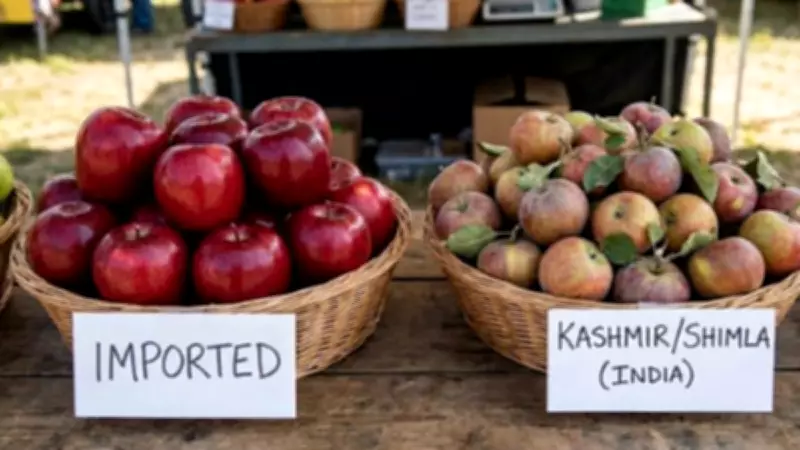
Imported vs Indian Apples: A Doctor's Verdict on the Healthier Choice
In a detailed analysis that has captured the attention of health enthusiasts across the nation, a prominent doctor from Hyderabad has shed light on the ongoing debate between imported and Indian apples. The discussion centers on which variety offers superior health benefits, considering factors such as nutritional content, pesticide exposure, and overall freshness. This revelation comes at a time when consumers are increasingly scrutinizing their food choices to optimize well-being and avoid potential health risks.
Nutritional Showdown: What the Doctor Found
According to the Hyderabad-based medical expert, both imported and Indian apples provide essential nutrients like fiber, vitamins, and antioxidants, which are crucial for maintaining good health. However, the doctor emphasized that Indian apples often have a slight edge in terms of freshness due to shorter transportation times from farm to market. This reduced transit period can help preserve vital nutrients that might degrade during long-haul shipping, a common issue with imported varieties that travel from countries like the United States, New Zealand, or Chile.
Key nutritional points highlighted include:

- Indian apples may retain higher levels of vitamin C and other heat-sensitive compounds because of minimal storage and travel duration.
- Imported apples sometimes undergo treatments to extend shelf life, which could affect their natural nutrient profile.
- Both types contribute to digestive health and immune support, but local options might offer a fresher, more potent nutritional punch.
Pesticide Concerns and Safety Measures
The doctor also addressed the critical issue of pesticide residues, a major concern for many consumers. Imported apples are subject to international regulations and may contain different types of pesticides compared to Indian apples, which adhere to domestic agricultural standards. While both categories undergo safety checks, the expert noted that Indian apples might have lower residue levels in some cases, depending on farming practices and regional enforcement of pesticide use.
To minimize risks, the doctor recommended:
- Thoroughly washing apples under running water to remove surface contaminants.
- Peeling the skin if there are concerns about pesticide exposure, though this reduces fiber intake.
- Opting for organically grown apples when possible, as they tend to have fewer chemical residues regardless of origin.
Freshness and Environmental Impact
Beyond nutrition and safety, the discussion touched on freshness and environmental considerations. Indian apples, being locally sourced, generally reach consumers faster, ensuring a crisper texture and better taste. This not only enhances the eating experience but also supports local farmers and reduces the carbon footprint associated with long-distance transportation. In contrast, imported apples often involve significant logistical efforts, contributing to higher emissions and potential quality compromises due to extended storage.
The doctor concluded that while both imported and Indian apples are healthy choices, Indian varieties might be preferable for those prioritizing freshness, nutrient retention, and lower environmental impact. However, individual preferences, availability, and specific health goals should guide final decisions. This insight empowers consumers to make informed choices, balancing health benefits with practical considerations in their daily diets.

