

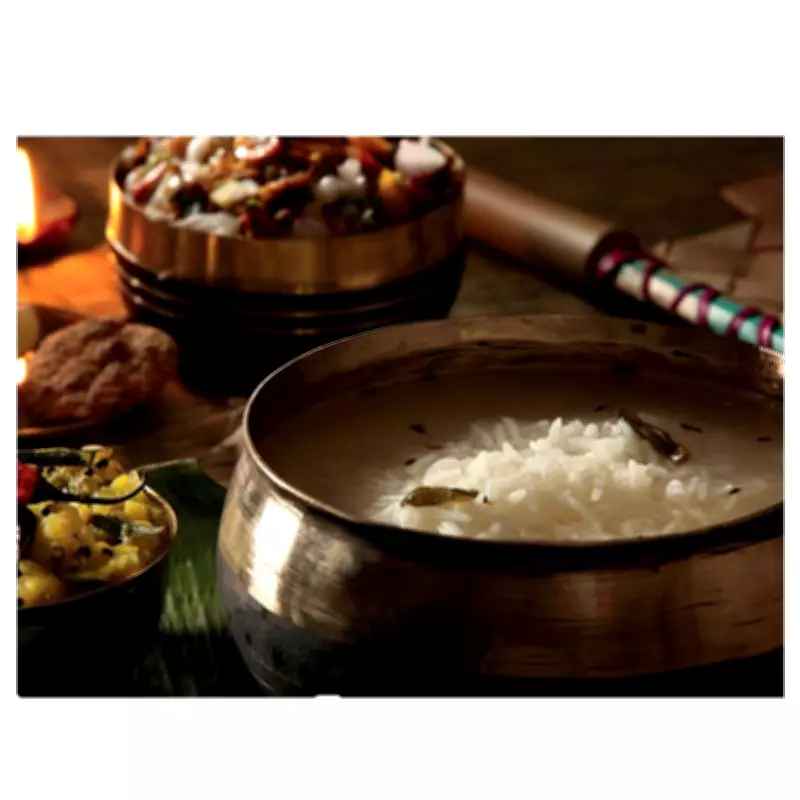
The Incredible Diversity of Odia Food: A Culinary Tapestry
Odia cuisine, originating from the eastern Indian state of Odisha, stands as a remarkable testament to the region's rich cultural and geographical diversity. Often overshadowed by more prominent Indian culinary traditions, Odia food offers a unique blend of flavors, ingredients, and cooking techniques that reflect the state's coastal plains, lush forests, and tribal communities.
Regional Variations and Influences
The diversity in Odia food is largely shaped by Odisha's varied landscapes. Coastal areas, such as Puri and Ganjam, heavily feature seafood in their diets, with dishes like Machha Besara (fish in mustard gravy) and Chingudi Jhola (prawn curry) being staples. In contrast, the western and northern regions, including Sambalpur and Mayurbhanj, incorporate more lentils, vegetables, and locally grown grains like millets, resulting in hearty meals such as Dalma (a lentil and vegetable stew) and Pakhala (fermented rice).
Historical influences have also played a significant role. The Jagannath Temple in Puri has profoundly impacted Odia cuisine, with temple food like Mahaprasad being a sacred offering that includes items such as Khechudi (a rice and lentil dish) and Gaja (sweet fried pastries). Additionally, tribal communities in Odisha contribute unique dishes, such as Bamboo Shoot Curry and Red Ant Chutney, showcasing the use of foraged ingredients.

Key Ingredients and Cooking Techniques
Odia cuisine is characterized by its emphasis on local and seasonal ingredients. Common elements include:
- Rice: The staple grain, used in various forms like steamed rice, puffed rice (Mudhi), and fermented rice (Pakhala).
- Mustard and Panch Phoron: Mustard seeds and a five-spice blend (fenugreek, nigella, cumin, black mustard, and fennel) are essential for tempering and flavoring.
- Coconut and Curd: Widely used in coastal and sweet dishes to add richness and tanginess.
- Vegetables and Lentils: Seasonal produce like pumpkin, brinjal, and various lentils form the base of many vegetarian meals.
Cooking techniques in Odia food are diverse, ranging from slow-cooking in earthen pots to steaming and frying. Dishes are often prepared with minimal oil and spices, allowing the natural flavors of ingredients to shine through. Fermentation, as seen in Pakhala, is a traditional method that enhances digestibility and nutrition.
Signature Dishes and Festive Foods
Odia cuisine boasts an array of signature dishes that highlight its diversity. Some notable examples include:
- Chhena Poda: A beloved dessert made from caramelized cottage cheese, often described as Odisha's cheesecake.
- Rasabali: A sweet dish featuring deep-fried cheese patties soaked in thickened milk, originating from the Kendrapara district.
- Santula: A light and nutritious vegetable curry that is a daily staple in many Odia households.
- Pitha: Various types of rice-based cakes, such as Arisha Pitha (deep-fried sweet pitha) and Manda Pitha (steamed rice dumplings), commonly prepared during festivals.
Festivals and celebrations in Odisha are incomplete without specific culinary traditions. During Raja Parba, a festival celebrating womanhood, special dishes like Poda Pitha (baked rice cake) are prepared. Similarly, the Durga Puja festival features elaborate feasts with multiple courses, showcasing the richness of Odia hospitality.

Health Benefits and Modern Adaptations
Odia food is not only flavorful but also nutritious, with many dishes being low in fat and high in fiber. The use of fermented foods like Pakhala promotes gut health, while the incorporation of leafy greens and lentils provides essential vitamins and proteins. In recent years, there has been a growing interest in Odia cuisine beyond the state's borders, with chefs and food enthusiasts experimenting with modern twists on traditional recipes. This includes fusion dishes and healthier versions that cater to contemporary dietary preferences, helping to preserve and promote Odia culinary heritage on a global scale.
In conclusion, the incredible diversity of Odia food is a reflection of Odisha's multifaceted culture, geography, and history. From its humble daily meals to grand festive feasts, Odia cuisine offers a culinary journey that is both authentic and evolving, making it a vital part of India's gastronomic landscape.
