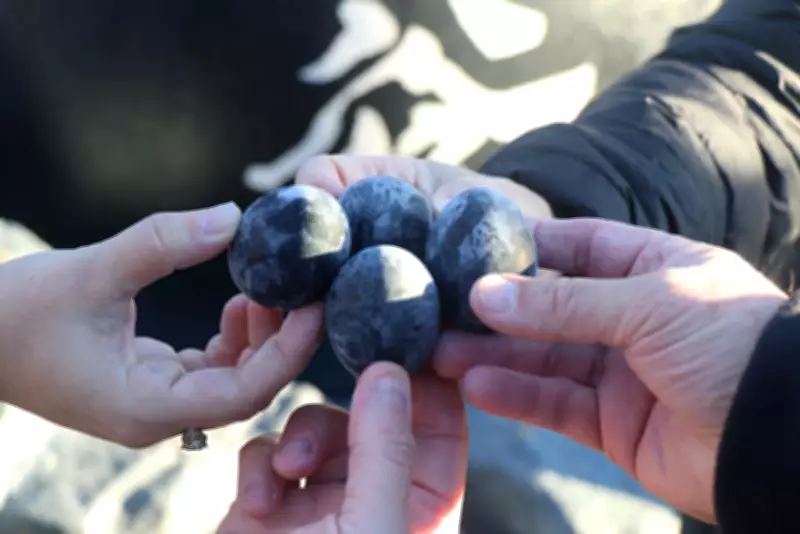
Japan's Mystical Black Eggs: A Snack Shrouded in Legend
In the heart of Japan, nestled within the volcanic region of Owakudani, lies a culinary curiosity that has captured imaginations for generations: the legendary black eggs. These unique snacks, known locally as "Kuro-tamago," are not just a feast for the eyes but are steeped in folklore that claims they can extend one's life by an astonishing seven years. This belief has turned them into a must-try delicacy for tourists and locals alike, blending tradition with a touch of mystique.
The Origins and Preparation of Kuro-tamago
The story of Japan's black eggs begins in Owakudani, a geothermal valley located near Mount Hakone in Kanagawa Prefecture. This area is famous for its active sulfur vents and hot springs, which play a crucial role in the creation of these distinctive eggs. The process starts with ordinary chicken eggs, which are carefully placed in baskets and lowered into the natural hot springs. Here, they are boiled in water rich in sulfur and other minerals, a method that dates back centuries and is unique to this region.
As the eggs cook, a chemical reaction occurs between the sulfur in the water and the iron in the eggshells. This interaction causes the shells to turn a deep, glossy black, giving the eggs their iconic appearance. The boiling process typically takes around an hour, after which the eggs are retrieved, cooled, and ready to be enjoyed. Despite their dark exterior, the inside remains a familiar white and yellow, offering a contrast that adds to their allure.

The Legend of Longevity
The most captivating aspect of Japan's black eggs is the enduring legend that consuming them can add seven years to one's life. This myth is deeply rooted in local culture and has been passed down through generations, often shared as a fun anecdote to entice visitors. According to popular belief, the combination of the volcanic minerals and the unique cooking process imbues the eggs with life-extending properties. While there is no scientific evidence to support this claim, the story has become an integral part of the Owakudani experience, with many people indulging in the snack in hopes of a longer, healthier life.
In Japanese folklore, such tales often symbolize a connection to nature and the elements, reflecting a broader cultural appreciation for wellness and longevity. The black eggs serve as a tangible reminder of this, blending culinary tradition with spiritual symbolism. Visitors to Owakudani are encouraged to eat the eggs on-site, with local vendors often joking that the effect is maximized when consumed in the valley's mystical atmosphere.
Cultural Significance and Tourism Impact
Beyond the legend, Japan's black eggs hold significant cultural value. They are a symbol of Owakudani's geothermal heritage and a testament to the region's innovative use of natural resources. The snack has become a key attraction, drawing thousands of tourists each year who are eager to sample this unique delicacy and partake in the local lore. Vendors in the area have capitalized on this interest, selling the eggs in packs, often with humorous packaging that reinforces the life-extending myth.
The popularity of Kuro-tamago has also spurred related tourism activities, such as guided tours of the volcanic sites and educational exhibits about the geothermal processes involved. This has helped boost the local economy and preserve traditional practices, ensuring that the story of the black eggs continues to be told for years to come. Moreover, the eggs have gained attention in international media, further cementing their status as a quirky yet beloved aspect of Japanese culture.
Nutritional Profile and Modern Perceptions
From a nutritional standpoint, Japan's black eggs are similar to regular boiled eggs, offering a good source of protein, vitamins, and minerals. The sulfur-rich cooking water may impart a slight mineral content, but experts note that any health benefits are likely minimal and not scientifically proven to extend life. However, this hasn't dampened the enthusiasm of those who try them, as the experience is more about cultural immersion than dietary gains.

In recent years, there has been a growing interest in traditional foods and their purported health benefits, both in Japan and globally. The black eggs fit into this trend, appealing to health-conscious consumers and food enthusiasts alike. While modern science may debunk the longevity myth, the snack's appeal lies in its story and the sense of wonder it evokes. It serves as a reminder of how food can transcend mere sustenance to become a part of cultural identity and folklore.
In summary, Japan's black eggs from Owakudani are more than just a snack; they are a cultural icon wrapped in legend. Whether you believe in their life-extending powers or not, they offer a unique glimpse into Japanese traditions and the enduring human fascination with longevity. So, if you ever find yourself in Kanagawa Prefecture, don't miss the chance to try these mystical eggs—you might just gain a story to tell for years to come.