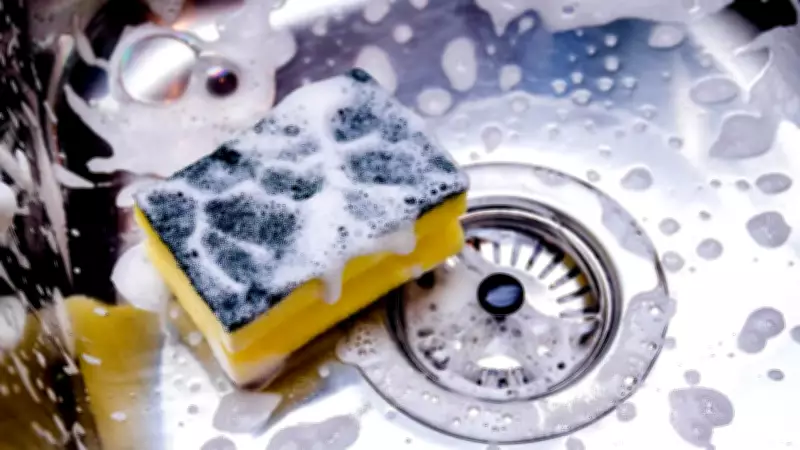
The Hidden Danger in Your Kitchen: Sponges and Brushes
Cleanliness forms the cornerstone of a healthy and hygienic kitchen environment. While we meticulously clean platforms, gas stoves, utensils, cupboards, fruits, vegetables, and chimneys, two critical items often escape our attention: kitchen sponges and brushes. These unassuming tools are among the most crucial elements in any kitchen, as they come into direct contact with utensils, crockery, cookware, countertops, and virtually every surface. Yet, how frequently do we inspect their cleanliness or consider replacing them? Today, we delve into these essential questions to safeguard your household's health.
Kitchen Sponges and Brushes: A Breeding Ground for Pathogens
According to nutritionist Ananya, research reveals that kitchen scrubs and sponges host more bacteria than your toilet seat. "They are dirtier than your toilet seat," she emphasizes. These items harbor significant amounts of E. coli and other fecal bacteria, primarily because they are rarely replaced as needed and often remain perpetually damp. "Most of us use a sponge for at least six months without ever replacing it," Ananya noted in an Instagram post, warning that these bacteria can lead to mild to severe intestinal and skin infections.
What Scientific Studies Reveal
A comprehensive study analyzing five kitchen sponges detected twenty unique bacterial foodborne pathogens across total and viable sponge microbiomes. Each sponge contained three to six viable foodborne pathogens, with Escherichia coli and Staphylococcus aureus identified in every viable sponge microbiome. Viable E. coli were recovered from two sponges through targeted selective enrichment. These findings indicate that sponge-associated bacterial communities are predominantly viable and include multiple dangerous pathogens.

The study further highlights that the dominant bacterial presence in domestic kitchens is partly driven by the high bacterial load on dish sponges, which exhibit the highest coliform levels among all kitchen contamination sites. Dish sponges not only support bacterial survival and growth but also act as reservoirs that disseminate bacteria to other surfaces, amplifying cross-contamination risks.
The Peril of Leaving Sponges Wet
In many Indian households, it is common practice to keep sponges soaked in dishwashing liquid for convenience. However, this habit overlooks a critical hazard: damp sponges and brushes propagate pathogens, transferring them to dishes, utensils, and other surfaces. This increases the likelihood of accidental ingestion and subsequent illness. Additionally, using the same sponge for both utensils and kitchen countertops exacerbates bacterial growth, creating a cycle of contamination.
Expert Recommendations for Replacement and Maintenance
To mitigate or eliminate bacterial growth, experts advise the following strategies:
- Replace scrubs and sponges frequently. Sponges should be replaced every 1-2 weeks, while brushes may last 1-2 months.
- Clean sponges and brushes daily after each use.
- Use hot soapy water for daily cleaning.
- Allow them to dry in sunlight daily to inhibit bacterial multiplication.
- Store them in a dry location to limit harmful bacteria proliferation.
- Microwave damp sponges and scrubs for one minute or run them through the dishwasher to kill bacteria.
- Maintain separate sponges for utensils, countertops, and cupboards to prevent cross-contamination.
Precautionary Measures from Research
The study underscores the necessity of educating consumers about the risks of bacterial foodborne pathogen exposure and cross-contamination associated with dish sponge use. Eliminating sponges from dishwashing and cleaning routines would directly prevent these risks. Furthermore, practicing hand hygiene before and after handling sponges can reduce direct pathogen exposure. Frequent replacement of dish sponges remains a key strategy to mitigate health hazards, ensuring a safer kitchen environment for all.