

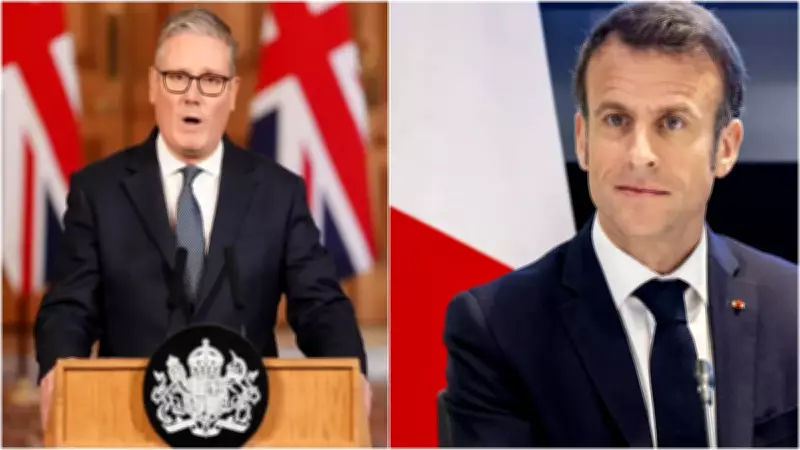
UK and France Unite 40 Nations for Critical Hormuz Talks to Safeguard Navigation
In a significant diplomatic move, the United Kingdom and France have spearheaded an initiative to bring together 40 nations for high-level talks focused on the Strait of Hormuz. This strategic waterway, a vital artery for global oil shipments, has become a flashpoint amid escalating turmoil in West Asia, threatening the freedom of navigation essential for international trade and energy security.
Addressing Rising Tensions in a Key Maritime Chokepoint
The talks aim to restore and reinforce the principle of freedom of navigation through the Strait of Hormuz, which sees approximately one-fifth of the world's oil supply pass through its narrow channels. Recent months have witnessed heightened tensions in the region, including maritime incidents and geopolitical standoffs that have raised alarms over potential disruptions to this crucial trade route. The UK and French governments, leveraging their historical roles in global maritime affairs, have positioned this initiative as a proactive measure to prevent further escalation and ensure stability.
Key objectives of the discussions include:

- Establishing a coordinated international framework to monitor and protect shipping lanes in the Strait of Hormuz.
- Promoting dialogue among regional stakeholders to de-escalate conflicts and reduce the risk of confrontations at sea.
- Developing contingency plans to respond swiftly to any threats against commercial vessels, thereby safeguarding global energy supplies.
Global Implications and Broader West Asia Context
The initiative comes against a backdrop of persistent instability in West Asia, where ongoing conflicts and political rivalries have spilled over into maritime domains. The involvement of 40 nations underscores the widespread concern over the Strait of Hormuz's vulnerability and its impact on the global economy. By rallying a diverse coalition—including European allies, Asian partners, and other key maritime states—the UK and France seek to present a united front that can exert diplomatic pressure and foster cooperative security measures.
Analysts note that this effort reflects a growing recognition of the need for multilateral approaches to address complex security challenges in volatile regions. The talks are expected to explore not only immediate operational concerns but also longer-term strategies for enhancing maritime governance and resilience in the face of emerging threats.
Path Forward and Expected Outcomes
As the talks progress, participants will work towards concrete agreements on joint patrols, intelligence-sharing mechanisms, and crisis communication protocols. The UK and France have emphasized that restoring freedom of navigation is not merely a regional issue but a global imperative, given the Strait of Hormuz's role in sustaining international trade networks. Success in these negotiations could set a precedent for similar collaborative efforts in other strategic waterways, contributing to a more stable and predictable maritime environment worldwide.
In summary, the UK and France's leadership in convening 40 nations for Hormuz talks marks a pivotal step in addressing West Asia's turmoil through diplomacy and collective action. By focusing on the restoration of navigation freedoms, this initiative aims to mitigate risks, protect economic interests, and promote peace in a region critical to global stability.






