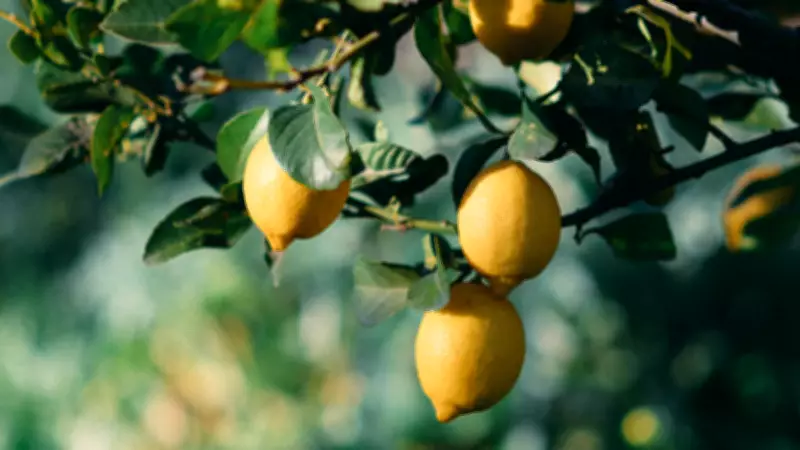
Why Your Lemon Tree Isn't Bearing Fruit: Expert Tips for a Bountiful Harvest
In countless Indian households, a vibrant and lush lemon tree graces the garden, yet it often remains barren, failing to yield the expected citrus bounty. This frustrating scenario, where years of diligent care yield no fruit, is a widespread issue among gardeners. However, the silver lining is that this common problem is entirely fixable with a few straightforward adjustments. Lemon trees, known for their delicate nature, demand a precise balance of sunlight, water, and nutrients. Any deviation in these critical elements can halt fruit production, making it essential to first identify the root causes.
Identifying the Causes of Fruitlessness
When faced with a non-fruiting lemon tree, the initial step is to pinpoint the underlying issue. Experts highlight several potential reasons, including inadequate sunlight, improper watering practices, and nutrient deficiencies. According to Yarden, a leading gardening resource, "lack of nutrients, insufficient light, improper watering, and environmental stress" rank among the top culprits for poor fruiting. It's crucial to note that if the tree fails to produce flowers, fruit will inevitably be absent, underscoring the importance of addressing these factors early on.
Prioritizing Sunlight and Optimal Placement
Sunlight is a non-negotiable requirement for lemon trees to thrive and bear fruit. These plants necessitate a minimum of 6 to 8 hours of direct sunlight daily. When placed in shaded areas, both flowering and fruiting are severely compromised. Gardening specialists emphasize that "lemon trees need plenty of sunlight... without enough light, they are unlikely to flower." To remedy this, position your tree in a spot that receives ample sunlight, ideally facing south or west to maximize exposure throughout the day.

Mastering the Art of Watering
Correct watering is paramount for lemon tree health, as both overwatering and underwatering can disrupt fruit production. Excessive moisture may lead to root rot, while insufficient water stresses the tree, hindering its ability to fruit. Research consistently identifies improper watering techniques as a primary cause of fruitlessness. For optimal results, ensure the soil remains moist but not waterlogged. Adjust your watering schedule seasonally: increase frequency during the hot summer months and reduce it in the cooler winter period to match the tree's needs.
Addressing Nutrient Deficiencies Effectively
Lemon trees are classified as "heavy feeders," meaning they require a robust supply of nutrients to flourish and produce fruit. A balanced mix of nitrogen, phosphorus, and potassium is essential for healthy growth. Nutrient deficiencies can directly impede flowering and fruiting, as supported by agricultural studies. To combat this, incorporate organic compost or vermicompost into the soil once a month. Additionally, using a fertiliser specifically formulated for citrus plants can significantly enhance results, promoting vigorous growth and abundant fruit.
Considering Pollination and Tree Maturity
Sometimes, a lemon tree may bloom but still fail to bear fruit, often due to inadequate pollination, especially in areas with low bee activity. Another factor is the tree's age; lemon trees typically begin fruiting only after 3 to 5 years of growth. To aid natural pollination, gently shake the plant to disperse pollen. Patience is key, as each tree matures at its own pace. Remember, gardening is a blend of hard work and perseverance, and with time, your efforts will likely pay off.
Final Thoughts on Reviving Your Lemon Tree
If your lemon tree remains fruitless, there is no need for alarm. With attentive care and the right conditions, it can be coaxed back into productivity. Gardening demands both dedication and patience, but the reward of harvesting fresh lemons from your own tree makes every effort worthwhile. Embrace these expert tips to transform your garden into a thriving citrus haven.