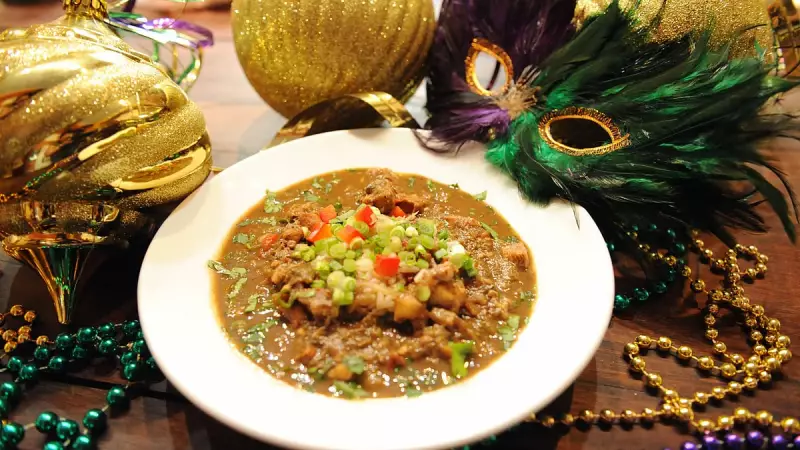
In the heart of the American South lies Louisiana, a state whose culinary landscape tells a story of cultural convergence that spans continents and centuries. The unique food traditions that emerged from this region represent one of America's most vibrant and distinctive culinary contributions to the world.
The Historical Roots of Louisiana's Flavorful Melting Pot
The foundation of Louisiana cuisine began with Native American tribes who introduced essential cooking techniques and ingredients that would become fundamental to the region's food identity. These indigenous communities contributed knowledge of local wildlife, fishing methods, and the use of filé powder made from sassafras leaves, which remains a key ingredient in traditional gumbos today.
French colonization in the 18th century established the European foundation of Louisiana cooking. The French brought their sophisticated culinary techniques, including roux-making, and introduced ingredients such as onions, bell peppers, and celery - the holy trinity that forms the base of countless Louisiana dishes. French influence extended to cooking methods like braising and the concept of building complex, layered flavors in single-pot meals.

Spanish rule following the French period introduced new elements to the culinary landscape. The Spanish contributed seasoning techniques and ingredients like tomatoes, which became integral to Creole cooking. They also brought their tradition of using smoked peppers and spices that would eventually evolve into the region's distinctive seasoning blends.
The African and Caribbean Influences
The arrival of enslaved Africans marked a transformative period in Louisiana's culinary development. West African cooks brought okra, which became both a thickening agent and vegetable component in gumbos. They introduced cooking methods like deep-frying and contributed the knowledge of using rice as a staple grain, which became the foundation for dishes like jambalaya.
From the Caribbean came additional influences through trade and migration. Hot peppers, allspice, and other tropical flavors integrated into the existing French, Spanish, and African foundations. The concept of using multiple protein sources in a single dish, a hallmark of both gumbo and jambalaya, reflects this Caribbean influence.
Iconic Dishes Born from Cultural Fusion
Gumbo stands as the ultimate representation of Louisiana's multicultural heritage. This thick, stew-like dish varies significantly by region and cook, but typically combines African okra, Native American filé powder, French roux, and the holy trinity of vegetables with a mixture of seafood, poultry, or sausage. The name "gumbo" itself derives from the West African word for okra, "ki ngombo."
Jambalaya represents another classic fusion dish, combining Spanish paella techniques with local ingredients. The dish typically features rice cooked with a variety of meats or seafood, vegetables, and the distinctive seasoning blend that characterizes Louisiana cooking. Like gumbo, jambalaya demonstrates the resourcefulness of cooks who combined available ingredients with diverse culinary traditions.
The distinction between Creole and Cajun cuisines further illustrates the region's complex culinary history. Creole cuisine developed in New Orleans among people of mixed European and African ancestry, incorporating more tomatoes, seafood, and sophisticated techniques. Cajun cooking originated with French Canadians who settled in rural Louisiana, featuring heartier, more rustic preparations with stronger French influences and less tomato usage.
The Living Legacy of Louisiana Food Culture
Modern Louisiana cuisine continues to evolve while honoring its multicultural roots. Chefs throughout the state and beyond draw inspiration from these traditional foundations while incorporating contemporary techniques and global influences. The basic principles established centuries ago - building flavor through the holy trinity, using roux as a base, and combining diverse ingredients in single-pot cooking - remain central to the cuisine's identity.

Festivals and culinary events throughout Louisiana celebrate this rich heritage, from the New Orleans Jazz & Heritage Festival to numerous local gumbo and jambalaya competitions. These gatherings not only showcase the food but also preserve the cultural traditions and stories behind each dish, ensuring that this unique culinary legacy continues to thrive and inspire future generations.
The story of Louisiana cuisine serves as a powerful reminder of how cultural exchange can create something greater than the sum of its parts. Through centuries of adaptation, innovation, and shared cooking practices, the people of Louisiana developed a culinary tradition that continues to captivate food lovers worldwide while honoring the diverse cultures that contributed to its creation.