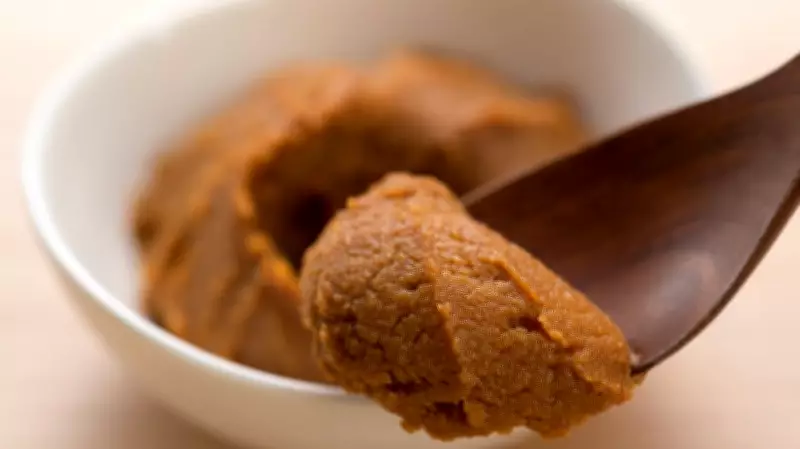
Miso, a cornerstone of Japanese cuisine, is a fermented paste that brings a rich, savory umami flavor to countless dishes. The word 'miso' literally means fermented beans, typically soybeans, in Japanese. This versatile ingredient is crafted into a thick paste using soybeans, sea salt, and grains such as barley or rice. The fermentation process, which can take months or even years, develops complex flavors ranging from sweet and mild to deeply savory and salty.
What Is Miso Paste?
Miso paste is made by fermenting soybeans with salt and a fungus called koji (Aspergillus oryzae). Koji breaks down the proteins and starches in soybeans, creating amino acids and sugars that produce umami. Grains like barley, rice, or rye are often added to influence the flavor and texture. The resulting paste can be white (shiro miso), yellow (shinshu miso), or red (aka miso), each with distinct characteristics. White miso is fermented for a shorter time and has a sweet, delicate taste, while red miso ages longer, resulting in a stronger, saltier flavor.
Culinary Uses of Miso
Miso is most famously used in miso soup, a staple Japanese breakfast dish. However, its applications extend far beyond soup. Chefs use miso to marinate meats and fish, glaze vegetables, dress salads, and even flavor desserts. It adds depth to sauces, stews, and braises. Because miso is a live fermented food, it should be added at the end of cooking to preserve its beneficial probiotics. A little miso goes a long way, so start with a small amount and adjust to taste.

Health Benefits and Nutritional Value
Miso is not only flavorful but also nutritious. It is a good source of protein, fiber, vitamins, and minerals, including vitamin K, manganese, and copper. The fermentation process produces probiotics that support gut health. Miso is also rich in antioxidants, which help combat inflammation. However, because it is high in sodium, it should be consumed in moderation, especially by those on low-salt diets.
How to Store and Use Miso
Miso is a fermented product and can be stored in the refrigerator for up to a year. Keep it in an airtight container to prevent it from drying out. When cooking, dissolve miso in a small amount of warm liquid before adding it to dishes to ensure even distribution. Avoid boiling miso, as high heat can kill the beneficial probiotics. For the best flavor, add miso at the end of cooking and heat gently.
Whether you are a seasoned cook or a beginner, incorporating miso into your kitchen repertoire can elevate everyday meals with its unique umami punch. Experiment with different types of miso to discover your favorite, and enjoy the depth it brings to both traditional Japanese dishes and modern fusion cuisine.