As the Dry January wellness challenge concludes, a significant shift is emerging in India's beverage consumption patterns. What began as a month-long experiment is evolving into a lasting preference for alcohol-free alternatives that prioritize taste, wellness, and conscious living over traditional alcoholic drinks.
The Rise of Sophisticated Mocktails
Today's drinking culture is undergoing a remarkable transformation, with consumers increasingly swapping alcohol for mocktails and specialty coffee. This movement celebrates fresh fruits, tangy spices, low sugar content, and exotic flavor profiles that deliver both enjoyment and health benefits. The trend represents a fundamental change in how people approach social drinking and personal wellness.
Gen Z Leading the Charge
Younger generations are at the forefront of this beverage revolution. Jones Elish, beverage head at a popular nationwide cafe-bar, observes that while initiatives like Dry January might initiate curiosity, the preference for quality zero-proof options persists well beyond such challenges. "Guests continue to order both cocktails and mocktails depending on the occasion, time of day, or their planned duration of stay," Elish explains. "It's fundamentally about providing choices rather than directing preferences."

Anhad Singh Sethi, a hospitality veteran with fifteen years of experience in the National Capital Region, confirms that Generation Z serves as the primary advocates for this trend. "With their constant engagement on digital platforms and social media, Gen Z demonstrates greater awareness of global developments," Sethi notes. "Their focus remains firmly anchored in health and wellness considerations."
Evolving Flavor Preferences
The mocktail landscape is experiencing a flavor revolution as consumers move beyond traditional offerings like mint mojitos toward more specially curated creations. Current high-demand ingredients include fresh passion fruit, elderflower, cranberry, watermelon, mango, orange, and innovative tea bases like boba and kombucha. Virgin Mary variations and fresh fruit juices maintain their popularity, but the market is expanding to incorporate more complex and exotic combinations.
Coffee Culture Transformation
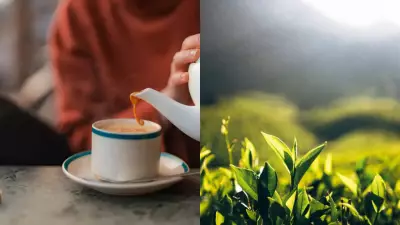
Parallel to the mocktail boom, India's coffee culture is undergoing its own significant evolution. Increased awareness about coffee varieties has led consumers to experiment with new bean types and roasting techniques. Restaurant owners report noticeable upticks in coffee demand, reflecting changing lifestyle preferences.
Ashish Ahuja, who operates a city pub and plans to open a café, observes this shift firsthand. "While people still visit pubs for cocktails, we've noticed a distinct trend over recent years where individuals are spending more time in cafes than traditional restaurants," Ahuja remarks. "This represents more than mere consumption—it's become a lifestyle choice centered around experiences rather than just meals."
The Mixologist's Perspective
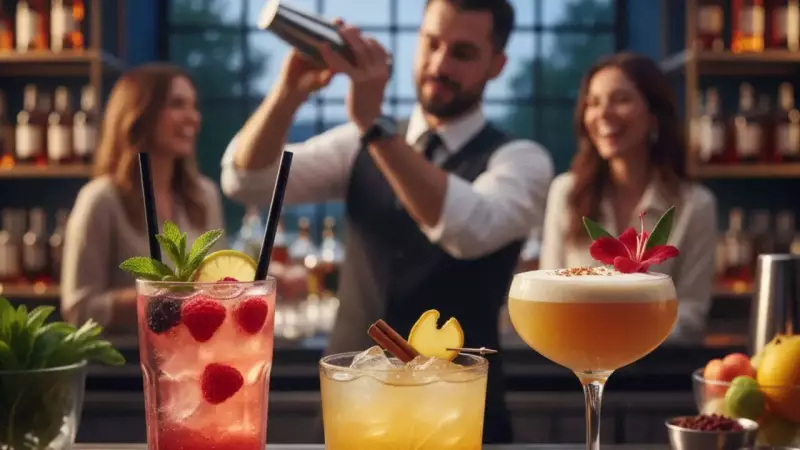
Even as healthier options gain traction, the appeal of crafted beverages remains strong. Sarthak Batra, a professional mixologist and bar founder, explains the emerging middle ground. "While cocktails continue to attract those seeking alcohol's effects, many guests now desire healthier alternatives that don't sacrifice the 'crafted drink' experience," Batra states. "This has fueled the popularity of zero-percent cocktails—drinks that look, feel, and taste like traditional cocktails, complete with foams or sodas, but without alcohol content."
Dhruv Singh, owner of a farm-to-cup specialty coffee chain, emphasizes the importance of presentation in this new beverage landscape. "Presentation significantly influences perception, which is why many of our mocktails are served in wine glasses," Singh reveals. "This provides the sensation of a luxury drink without alcohol. Customers want to capture moments in specific ways, and holding a cucumber mint cooler in a wine glass simply feels right."
Consumer Voices
Vinkit Kochar, a 24-year-old social media strategist, shares her personal journey: "For me, alcohol's taste was never particularly appealing. I preferred cocktails with fruit elements, but since alcohol flavors often dominate, I've transitioned to mocktails featuring orange, peach, and mango flavors."

Joy Bhattacharya, a 29-year-old policy consultant working at a health research NGO, offers another perspective: "After learning about alcohol's effects through my work, I've nearly eliminated it from my consumption. The association between alcohol and enjoyment no longer resonates with me—such choices should remain personal rather than social expectations."
Health as Primary Driver
The mocktail boom finds its strongest foundation in health consciousness. Following matcha's surge in popularity, consumers are seeking more health-aware beverage choices. Sarthak Batra elaborates on this motivation: "Many individuals are reducing or eliminating alcohol not solely for medical reasons, but for lifestyle benefits including improved skin quality, better sleep patterns, reduced lethargy, and avoidance of hangovers. Essentially, they seek guilt-free social enjoyment."
Dhruv Singh's brand offers various fruit-based options that have gained popularity during breakfast hours. "Customers frequently pair avocado toast with fresh fruit mocktails or juices," Singh observes. "Ultimately, people are making these choices because they aspire to longer, healthier lives with diverse personal goals. This shift transcends age boundaries—it's occurring among both older and younger demographics."
Jones Elish summarizes the experiential aspect of this transformation: "When mocktails deliver depth, balance, and complexity comparable to cocktails, people naturally gravitate toward them. The decision no longer feels restrictive—it becomes genuinely experiential."