The Gathering Transforms Mumbai's Historic Mukesh Mills into a Cultural Feast
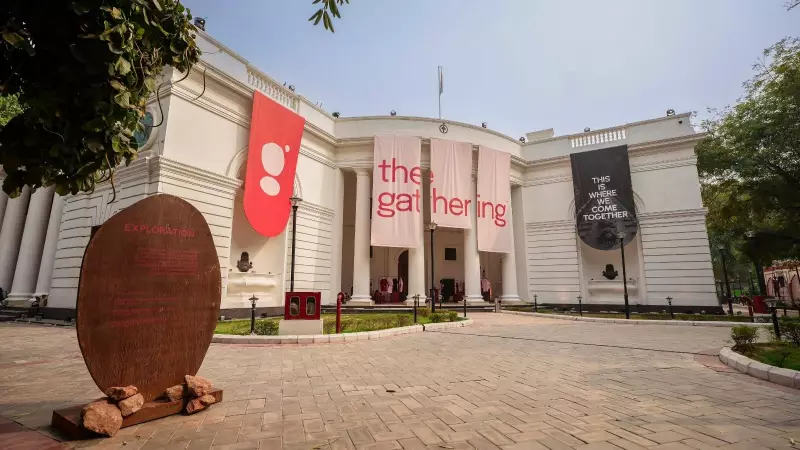
This weekend, Mumbai's iconic Mukesh Mills undergoes a remarkable transformation. The 150-year-old seaside structure becomes a living canvas for The Gathering, an ambitious three-day food festival. From January 16 to 18, this event blends food, art, and culture into an immersive experience.
Chefs Create Intimate Culinary Journeys
At the heart of The Gathering are five exclusive pop-up restaurants. Leading chefs include Niyati Rao, Ralph Prazeres, Doma Wang, Sachiko Seth, Bawmra Jap, Priyam Chatterjee, and Rishabh Seal. Each chef presents a unique five-course tasting menu. They serve only twenty guests per seating, ensuring an intimate and intentional dining atmosphere.
These meals go beyond traditional fine dining. Each menu connects deeply with art, memory, and place. For example, Niyati Rao's experience explores India's rich textile traditions. Every course interprets regional fabrics like Kanjeevaram silks and Rabari embroidery. The space itself features designs by Abraham & Thakore.

Art and Storytelling Enhance the Dining Experience
Artist duo Sachiko Seth and Udit Mittal present 'The Noodle Factory'. This living installation recreates Doma Wang's childhood home in Kalimpong. Photographer Pablo Bartholomew showcases the lives of the Kachin people across Northern Burma, Northeast India, and Yunnan. His work forms the visual backdrop for chef Bawmra Jap's dishes.
Jap's menu features herbaceous pickled tea leaf salad and rich tamarind pork. These flavors mirror the layered histories projected around diners. The festival consistently weaves stories of identity through every element.
Founder Sushmita Sarmah Shares the Festival's Philosophy
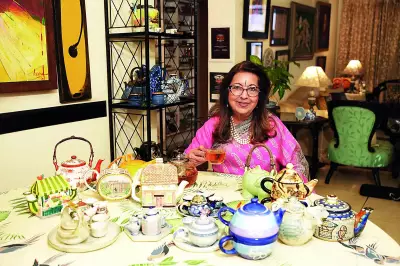
Sushmita Sarmah of CAB Experiences founded and directs The Gathering. She explains that food always served as a convergence point. "We have put together so many experiences over the years, and the common denominator was food," Sarmah said.
Growing up in North India, Sarmah had limited exposure to regional cuisines. She observes a significant shift today. "Regional food has found new space and confidence," she noted. The festival's concept emerged from a personal moment. Friends once gathered for an informal dinner, each bringing dishes from home. They created an impromptu ten-course meal together.
"Food became a place for sharing," Sarmah recalled. This philosophy now shapes The Gathering. It emphasizes shared tables, shared stories, and creative collaboration across disciplines. "As much as it is about food, it is also about bringing creative people together and telling stories that feel larger than life," she added.
Multiple Spaces Offer Diverse Experiences
The festival extends beyond the pop-up restaurants. The Salon hosts conversations exploring culture, politics, history, and spirituality through food. The Workshop provides around fifteen hands-on sessions. These range from sake tasting to zero-waste cooking.
The Arena sets the musical soundtrack for the event. The Interlude, a seaside lounge overlooking the Arabian Sea, invites guests to relax with sangria. Movable Feast features various food stations and a specialty cocktail bar by The Bombay Canteen.
Evolution from Delhi to Mumbai and Beyond
The Gathering first launched in Delhi last year. Sarmah applied several learnings from that inaugural edition to shape the Mumbai festival. Originally designed as an adults-only experience, the Delhi event saw many attendees bringing children for lunch sessions. Families used the festival as a learning space.
"We've now opened it up to children as well, because Indian sensibilities are changing," Sarmah shared. The festival already plans future expansions. Bengaluru will host the next edition. Pop-ups are scheduled at global art and design festivals like the Kochi-Muziris Biennale and Design Week. Eventually, The Gathering aims to reach cities like London, Dubai, and Singapore.
"We want to share India's food story and how we are interacting with, consuming, and building it with the world," Sarmah concluded. This weekend at Mukesh Mills, that story unfolds beautifully, layer by layer, course by course.